2026 Top Automotive Metal Stamping Parts for Global Buyers?
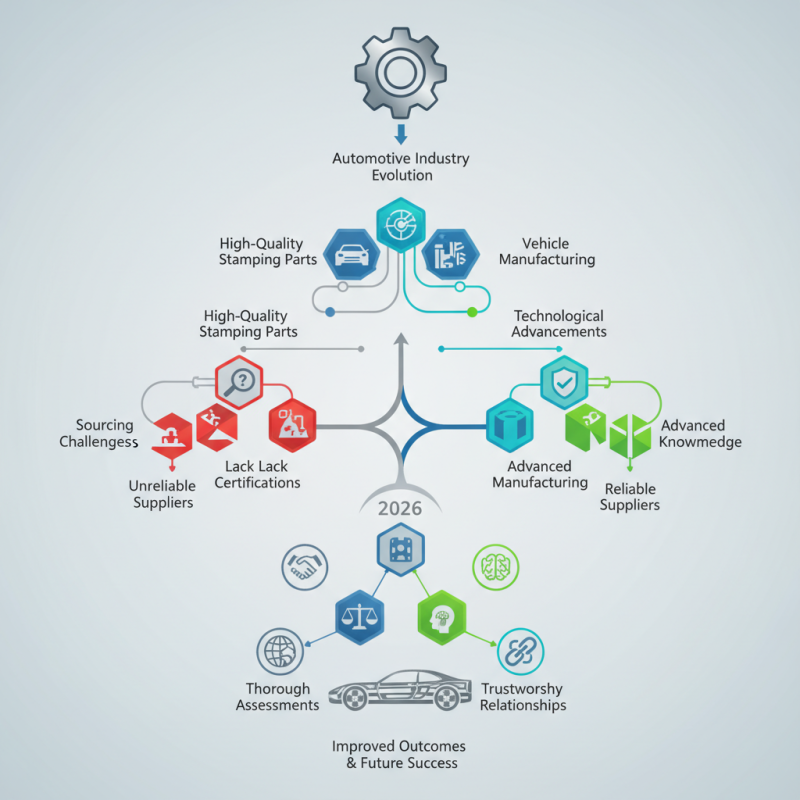
As the automotive industry evolves, the demand for high-quality Automotive Metal Stamping Parts increases. These components are essential for vehicle manufacturing and performance. Global buyers face unique challenges in sourcing these parts, requiring specialized knowledge and expertise.
The year 2026 promises advancements in technology and design for Automotive Metal Stamping Parts. Buyers should consider factors like material selection and manufacturing processes. Reliable suppliers can enhance production efficiency and ensure product quality. However, identifying these suppliers might not be straightforward. Many companies claim expertise but lack proper certifications or experience.
Global buyers must navigate a complex landscape to find the right partners. It’s crucial to assess potential suppliers thoroughly. Detailed evaluations can reveal essential insights into their capabilities. Reflecting on past experiences can guide better choices in the future. The automotive sector hinges on effective collaboration. Establishing trustworthy relationships with suppliers will lead to improved outcomes for all involved.
Overview of Automotive Metal Stamping Industry Trends for 2026
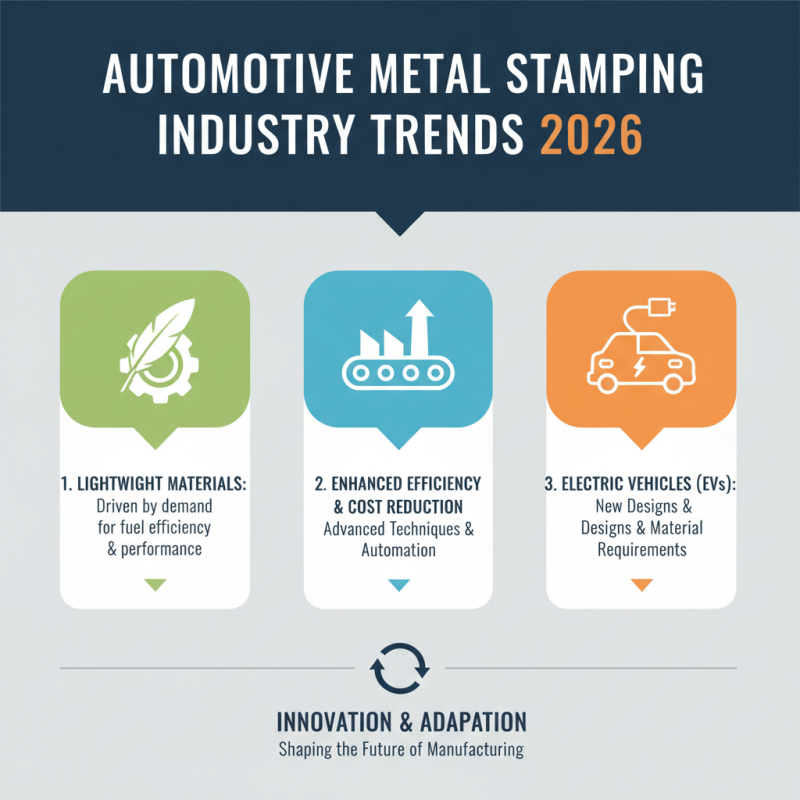
The automotive metal stamping industry is evolving rapidly as we approach 2026. Increased demand for lightweight materials is driving innovation. Manufacturers are looking for ways to enhance efficiency while reducing production costs. This trend emphasizes the need for advanced stamping techniques and materials. Electric vehicles are also playing a significant role in shaping these changes.
Another key trend is the move towards sustainability. Eco-friendly practices are becoming essential. Companies are increasingly focusing on recycling and the use of renewable materials. However, many are struggling to fully implement these sustainable practices. This inconsistency highlights a gap that must be addressed.
Customization is another factor gaining traction. Buyers now seek tailored solutions to meet specific needs. Flexibility in production processes is critical. Yet, some manufacturers may find it challenging to balance customization with efficiency. This ongoing struggle presents an opportunity for improvement in the industry.
Key Factors Driving Demand for Metal Stamping Parts in Automotive Sector
The automotive sector is witnessing significant growth in demand for metal stamping parts. These components are vital in manufacturing vehicle structures, trim, and other essential elements. As vehicles become more complex, the need for precise and durable parts intensifies.
Several factors contribute to this demand. The shift towards electric vehicles requires new designs and lightweight materials. This trend prompts manufacturers to seek innovative metal stamping solutions. Additionally, regulatory pressures for improved safety and fuel efficiency drive engineers to rely on advanced stamping technologies. These factors highlight the industry's need for reliability and precision in parts manufacturing.
However, challenges remain. Many manufacturers struggle with the adaptation to new technologies. The learning curve can lead to potential quality issues. Companies must invest in training and better processes. Addressing these gaps is crucial for maintaining competitiveness in the fast-evolving automotive market. As demand increases, so does the necessity for a robust supply chain to support these evolving needs.
2026 Top Automotive Metal Stamping Parts Demand Insights
This chart illustrates the projected demand for various automotive metal stamping parts in the year 2026. The data indicates a significant need for engine components and body panels, which are expected to lead in demand among global buyers.
Top 5 Global Markets for Automotive Metal Stamping: Insights and Predictions
The automotive metal stamping industry is experiencing substantial growth. Key markets are identifying trends that shape the future. According to a recent report by MarketsandMarkets, the global automotive metal stamping market is projected to reach USD 42.4 billion by 2026. This growth reflects the increasing demand for lightweight vehicles, which hinges on stamping technology.
North America remains a leading player in this sector. The region's strong automotive manufacturing base drives innovation in metal stamping. Additionally, Europe is experiencing a resurgence. The shift towards electric vehicles creates new opportunities for metal components. Emerging economies like India and China also show rapidly growing markets. Factors such as increased urbanization and disposable incomes are pivotal.
However, challenges persist. Supply chain disruptions impact production capabilities and efficiency. Companies must adapt quickly to shifts in market demand and regulations. Sustainability concerns also push manufacturers to rethink raw material sourcing and waste management processes. As markets evolve, staying informed about trends is crucial for global buyers and manufacturers alike.
2026 Top Automotive Metal Stamping Parts for Global Buyers
| Region |
Market Size (USD Billion) |
Growth Rate (CAGR %) |
Main Applications |
Key Trends |
| North America |
15.2 |
5.1 |
Passenger Vehicles, Trucks |
EV Growth, Lightweight Materials |
| Europe |
12.7 |
4.8 |
Luxury Cars, Commercial Vehicles |
Sustainability, Automation |
| Asia-Pacific |
20.5 |
6.3 |
Electric Vehicles, Small Cars |
Government Initiatives, Innovation |
| Latin America |
5.8 |
3.5 |
Economy Cars, Buses |
Cost Efficiency, Market Fluctuations |
| Middle East & Africa |
3.2 |
4.0 |
SUVs, Commercial Vehicles |
Industrial Growth, Local Manufacturing |
Sustainability Practices in Automotive Metal Stamping: A 2026 Perspective
Sustainability in automotive metal stamping is gaining traction as the industry grapples with environmental challenges. In 2026, a report by the Automotive Industry Action Group indicates that over 70% of companies are prioritizing sustainable practices. This shift is crucial as the industry accounts for nearly 30% of global metal consumption. Reducing waste during production can significantly lower carbon footprints.
Many manufacturers are adopting advanced recycling methods. For instance, closed-loop systems have emerged, which allow up to 95% of metal materials to be recycled effectively. These systems not only minimize waste but also reduce the need for new raw materials. However, implementing such systems can be complex and may require substantial investment.
Despite progress, the road to sustainability is fraught with challenges. Some companies still struggle with integrating sustainable practices into their existing frameworks. A lack of standardized metrics makes it difficult to measure advancements. Additionally, many smaller firms lack the resources to invest in renewable technologies. As the industry transitions, continuous evaluation and adaptation will be essential to maintain and enhance sustainability efforts.