2026 Top Steel Gasket Trends You Need to Know?
In the fast-evolving world of manufacturing, Steel Gaskets are crucial components that ensure the integrity of machinery. As we approach 2026, understanding emerging trends in this industry is vital. John Mitchell, a renowned expert in gasket technology, emphasizes, “The future of Steel Gaskets lies in innovative designs and sustainable materials.”
New advancements in materials and fabrication processes are shaping the landscape. Sustainable practices are becoming increasingly relevant, as industries aim to reduce their carbon footprint. Companies are exploring composite materials while maintaining the crucial properties of traditional Steel Gaskets. However, not all innovations deliver as promised. Some trends lack sufficient testing and may compromise performance.
While keeping an eye on these trends, it’s essential to reflect on past practices. The push for lightweight alternatives often overlooks durability. Balance is necessary to ensure reliability and longevity in applications. As the Steel Gasket market evolves, proactive adaptation will be key to navigating challenges ahead.

Key Innovations in Steel Gasket Manufacturing Processes for 2026
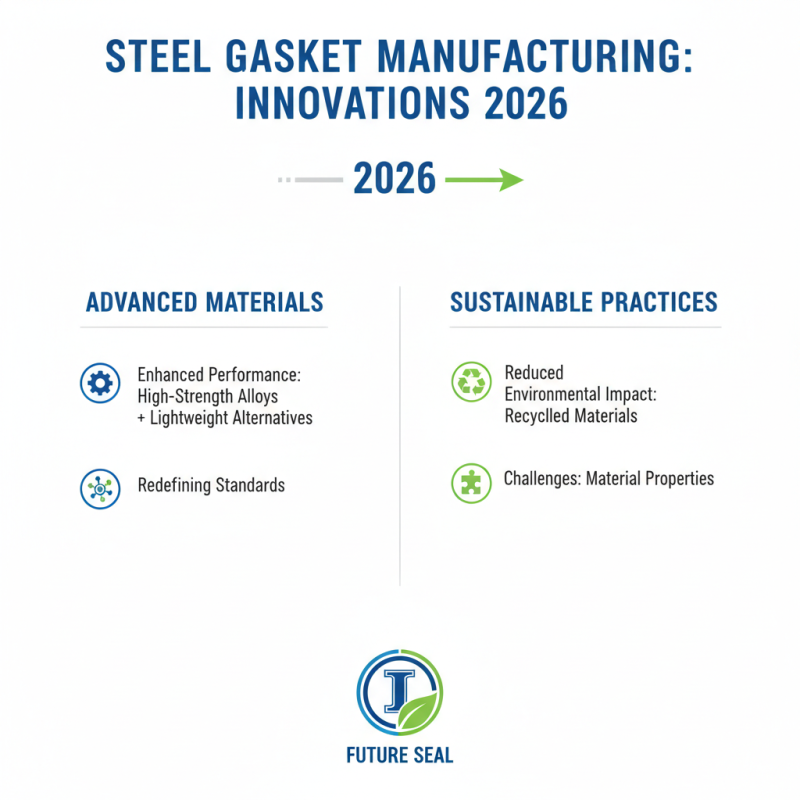
As we look towards 2026, the steel gasket manufacturing industry is set for exciting innovations. Advanced materials are being tested for enhanced performance. Lightweight alternatives, combined with high-strength alloys, could redefine the standards. Meanwhile, sustainable practices are gaining traction. Manufacturers are exploring recycled materials to reduce environmental impact. This shift is essential but poses challenges in material properties.
Digital technologies are also revolutionizing the manufacturing processes. Automation in cutting and shaping can increase precision. However, there is a risk of over-reliance on technology. Human oversight remains crucial, ensuring quality and safety standards. 3D printing is emerging as a game-changer. It allows for complex designs but raises questions about scalability and cost-effectiveness.
While these trends offer promise, they bring along obstacles worth reflecting on. Adoption of new technologies often faces resistance from traditionalists. Materials may perform well in laboratories but struggle in real-world conditions. As the steel gasket landscape changes, balancing innovation with practicality will be key.
Market Growth Projections for Steel Gaskets: Insights and Statistics
The steel gasket market is poised for significant growth in the coming years. Projections suggest that demand will rise steadily due to increased industrial activity. Key sectors such as automotive and energy show promising expansion rates. Additionally, the push for eco-friendly solutions may boost the adoption of steel gaskets. These components are known for their durability and resilience.
Statistics reveal that the market could experience a compound annual growth rate (CAGR) of over 4% by 2026. This growth isn't without challenges. High production costs can hinder smaller manufacturers. They may struggle to keep up with innovation while managing their budgets. Emerging technologies in gasket design are essential, yet often costly to implement.
Across regions, different dynamics are at play. For instance, Asia-Pacific is expected to lead in market share. However, environmental regulations in Europe may reshape demand patterns. Companies must stay alert and flexible. Adapting strategies based on regional trends could mean the difference between success and failure.
2026 Top Steel Gasket Trends You Need to Know
| Trend |
Growth Rate (%) |
Market Share (%) |
Key Drivers |
| Eco-Friendly Gaskets |
10% |
25% |
Regulations, Sustainability Trends |
| High-Performance Gaskets |
7% |
30% |
Industry 4.0, Demand for Reliability |
| Custom Gasketing Solutions |
9% |
20% |
Personalization, Niche Markets |
| Innovation in Materials |
8% |
15% |
Research & Development, New Alloys |
| Automation in Manufacturing |
6% |
10% |
Cost Efficiency, Speed |
Sustainability Trends Impacting Steel Gasket Production in 2026
Sustainability remains a crucial topic in steel gasket production for 2026. Many manufacturers are emphasizing eco-friendly materials. A recent report noted that 75% of companies plan to adopt greener practices. This shift helps reduce carbon footprints and energy consumption.
Recycling of materials plays a vital role in sustainable production. The use of recycled steel can cut down energy usage by up to 60%. However, adopting this strategy requires overcoming challenges in sourcing quality scrap materials. Not all recycled steel meets stringent performance standards.
Tips for manufacturers: Consider investing in R&D for sustainable materials. Engage with local recycling firms for better scrap sourcing. Training employees on green practices is also essential. Failure to adapt may lead to lost market share as consumers increasingly prefer eco-friendly products. The industry needs to reflect on its production methods continually.
Advances in Steel Gasket Materials: The Move Towards Higher Durability
In recent years, steel gasket materials have evolved significantly. The trend is moving towards higher durability to meet demanding industrial needs. Manufacturers are experimenting with new alloys and composites. These innovations aim to enhance strength and resistance to extreme conditions.
Steel gaskets often face harsh environments. They must withstand high temperatures and corrosive substances. Improved materials can reduce wear and extend the lifespan of gaskets. However, not all advancements guarantee success. Some materials may be too rigid or fail under stress, raising concerns about reliability.
The focus on durability is crucial but also challenging. Designers need to balance performance with cost. Substituting materials can lead to unexpected issues. A comprehensive understanding of material properties is essential. Companies must be vigilant in testing to ensure that improvements truly add value.
2026 Top Steel Gasket Trends: Advances in Steel Gasket Materials
Changing Industry Standards Affecting Steel Gasket Design and Usage
The steel gasket industry is witnessing significant shifts in design and usage. Changing industry standards are shaping how gaskets are made and applied. New materials and technologies are emerging. They promise improved durability and performance. However, these innovations require careful consideration. Not all advancements fit every application.
Many manufacturers are revising their standards. They are focusing on sustainability and efficiency. Some designs now prioritize lightweight materials. This shift could lead to lower costs but might compromise strength. It’s essential to evaluate the trade-offs involved. Engineers must think critically about their choices. Are lighter gaskets sufficient for high-pressure environments?
Regulatory changes also play a role. New environmental regulations impact material selection. Many businesses are exploring greener alternatives. These materials may not always match traditional steel gaskets in performance. This raises questions about reliability and maintenance. Companies must balance compliance with functionality. It’s a complex challenge that requires ongoing reflection and adaptation.