What is Automotive Door Seals Importance Benefits and Types Explained
Automotive door seals are a critical component in the automotive industry, serving multiple vital functions that enhance both vehicle performance and user experience. According to Dr. Emily Carter, a respected expert in automotive design and engineering, “The effectiveness of automotive door seals can significantly influence the overall quality and durability of a vehicle.” This underscores the importance of understanding the various types and benefits associated with these seals.
In essence, automotive door seals act as a barrier against external elements, providing insulation against noise, temperature variations, and water ingress. Their role extends beyond mere protection; they contribute to the structural integrity and longevity of the vehicle. As technology advances, innovations in materials and design have further improved the effectiveness of automotive door seals, making them an essential consideration for manufacturers aiming for enhanced safety and comfort.
Understanding the intricacies of automotive door seals not only highlights their functional advantages but also informs consumers and industry stakeholders about the importance of quality in vehicle production. This overview will delve into the various types of automotive door seals, their benefits, and the significant role they play in today’s automotive landscape.
Importance of Automotive Door Seals in Vehicle Performance and Safety
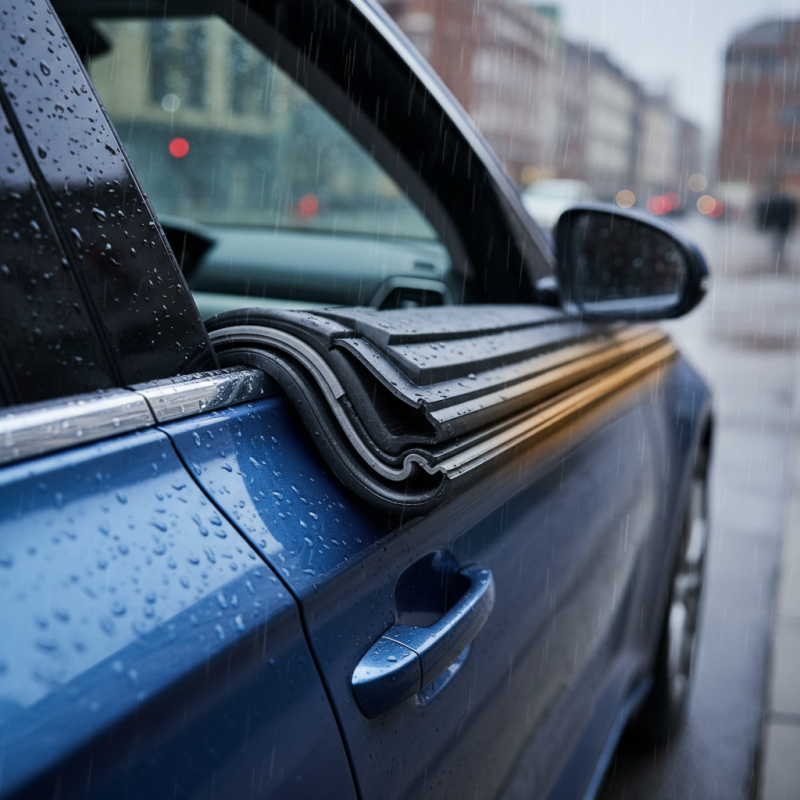
Automotive door seals play a crucial role in enhancing vehicle performance and safety. These seals are designed to prevent water, dust, and noise from entering the cabin, which is essential for maintaining a comfortable and quiet driving experience. By effectively sealing the gaps around doors and windows, they contribute to the overall insulation of the vehicle, minimizing the intrusion of external elements that could compromise both comfort and functionality.
In addition to comfort, the importance of automotive door seals extends to safety features as well. Properly functioning seals ensure that doors close securely, preventing unintentional openings during movement. This is particularly vital in the event of an accident, where compromised seals could lead to a loss of structural integrity, increasing the risks for occupants. Furthermore, good seals also support the vehicle’s climate control systems, making it easier to maintain desired temperatures efficiently. Overall, the significance of door seals cannot be overstated as they are integral to a vehicle's durability, performance, and the safety of passengers.
Key Benefits of Using High-Quality Automotive Door Seals
High-quality automotive door seals play a crucial role in ensuring vehicle integrity and enhancing the overall driving experience. According to a report by MarketsandMarkets, the automotive seal market is anticipated to grow significantly, highlighting the increasing demand for effective sealing solutions. These seals serve both functional and aesthetic purposes, contributing to noise reduction, improved climate control, and enhanced safety features within vehicles. By effectively sealing the doors, they prevent water and dust intrusion, which can lead to costly interior damages.
One of the key benefits of utilizing high-quality automotive door seals is their ability to improve thermal insulation within the vehicle. A study from the Society of Automotive Engineers indicates that the right sealing materials can reduce interior noise levels by up to 10 decibels, creating a quieter cabin environment. Furthermore, optimal thermal insulation can result in significant energy savings, as the heating and cooling systems operate more efficiently when environmental conditions are controlled. Overall, investing in premium door seals not only elevates passenger comfort but also contributes to better vehicle performance and longevity.
What is Automotive Door Seals Importance Benefits and Types Explained - Key Benefits of Using High-Quality Automotive Door Seals
| Dimension |
Description |
Benefits |
| Material Quality |
High-quality seals made from durable materials like EPDM rubber, which resist wear and tear. |
Improved longevity, better performance in extreme temperatures. |
| Fit and Finish |
Seals designed for a precise fit that match vehicle specifications. |
Reduction of wind noise and improved sealing against water ingress. |
| Environmental Resistance |
Resistance to UV light, ozone, and other environmental factors. |
Enhanced durability and reduced risk of degradation over time. |
| Installation |
Easy installation with pre-applied adhesives or perfect profiling for OEM parts. |
Saves time and reduces labor costs during installation. |
| Energy Efficiency |
Seals that improve the aerodynamics of the vehicle. |
Contributes to better fuel efficiency and lower emissions. |
Types of Automotive Door Seals: Materials and Applications
Automotive door seals play a crucial role in ensuring the overall functionality and comfort of vehicles. They come in various types, largely categorized by the materials used and their specific applications. The most common materials for automotive door seals include rubber, foam, and plastic. Rubber seals are known for their durability and ability to withstand harsh weather conditions, making them ideal for exterior applications. Foam seals offer excellent insulation and noise reduction, often being used in interior doors to enhance passenger comfort. Plastic seals are lightweight and resistant to corrosion, frequently utilized in areas requiring less flexibility.
When selecting door seals, it is essential to consider both the material and the method of application. For instance, self-adhesive foam seals are perfect for quick installations, while molded rubber seals may provide a more permanent solution.
Tip: Always ensure that seals are properly installed to avoid leaks and improve the vehicle's overall acoustics. Regularly check for wear and tear, as maintaining your door seals can significantly prolong their lifespan and enhance vehicle performance.
Industry Standards and Testing for Automotive Door Seal Efficiency
The efficiency of automotive door seals is critical for vehicle performance and passenger comfort. To ensure that these seals meet industry standards, various testing methods are utilized that evaluate their ability to withstand environmental conditions, reduce noise, and prevent water ingress. Testing typically includes exposure to extreme temperatures, humidity, and UV light, which replicate the conditions seals will encounter throughout their lifespan. Furthermore, they must undergo dynamic testing to assess how well they perform under repeated stress and movement, simulating the everyday use of car doors.
Industry standards for automotive door seals are set by organizations that establish benchmarks for quality and performance. Compliance with these standards ensures that manufacturers deliver products that not only meet customer expectations but also enhance safety and durability. For instance, seals that are tested for air leakage must achieve minimum thresholds to provide adequate insulation and sound reduction. As the automotive industry evolves, continuous innovation in materials and testing methodologies helps improve the effectiveness of door seals, thereby contributing to the overall quality and reliability of vehicles.
Importance of Automotive Door Seals
Future Trends in Automotive Door Seal Technology and Innovation
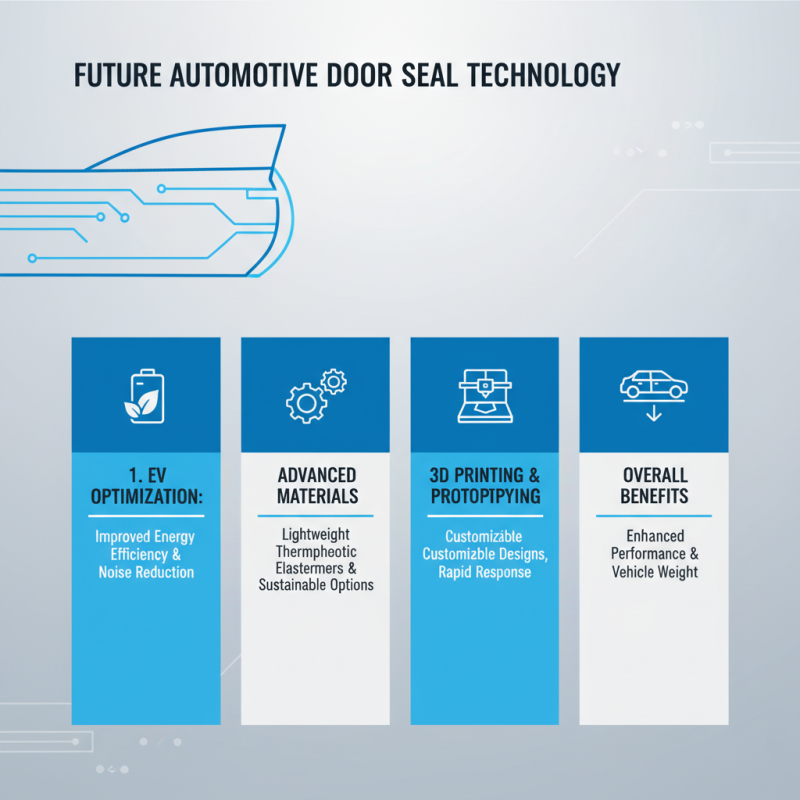
The future of automotive door seal technology is poised for significant advancements driven by innovation and enhanced manufacturing techniques. As electric vehicles (EVs) gain traction, manufacturers are focusing on optimizing door seals to improve energy efficiency and reduce noise. Lightweight materials such as thermoplastic elastomers and sustainable options are becoming increasingly popular, allowing for better performance while decreasing the overall vehicle weight. Furthermore, advancements in 3D printing technology facilitate the rapid prototyping of customizable door seal designs, enabling manufacturers to respond swiftly to market demands.
Tips for manufacturers include investing in research to understand emerging materials that not only enhance performance but are also environmentally friendly. Additionally, collaborating with automotive engineers during the design process can lead to innovative seal solutions that improve vehicle aesthetics and functionality.
Moreover, the integration of smart technology into door seals is on the horizon. Sensors embedded within seals could provide real-time feedback on wear and tear, alerting drivers when replacements are necessary. This proactive approach not only enhances safety but also maintains vehicle integrity over time. Manufacturers should consider exploring IoT solutions as a potential area for development, tapping into a smart automotive ecosystem for greater customer satisfaction.