How to Choose the Best Angle Grinder Disc for Metal Cutting and Grinding
When it comes to metal cutting and grinding, choosing the right Angle Grinder Disc Metal is crucial for achieving effective and precise results. According to expert fabricator John Smith, "The right disc can make all the difference between a smooth finish and a laborious task." With countless options available in the market, understanding the types of discs, their materials, and intended purposes is essential for any professional or DIY enthusiast looking to optimize their metalworking projects.
Selecting the appropriate Angle Grinder Disc Metal not only enhances the efficiency of the grinding process but also ensures safety and longevity of both the tool and the workpiece. Different tasks may require different specifications, such as thickness, grit, and material compatibility, which are pivotal in promoting productive outcomes. As John Smith emphasizes, “A well-informed choice can save time and prevent costly mistakes.”
In this guide, we will delve into the critical factors to consider when choosing the best angle grinder disc for metal applications, helping you navigate through the options to make an informed decision that aligns with your specific needs and projects.
Understanding Different Types of Angle Grinder Discs for Metal
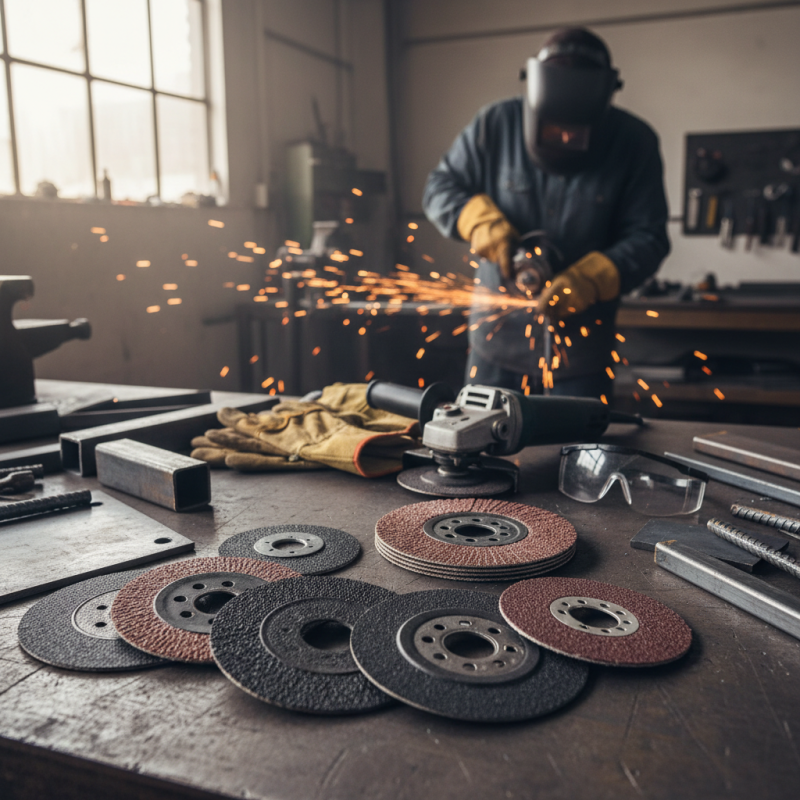
When it comes to choosing the best angle grinder disc for metal cutting and grinding, understanding the various types available is crucial. Metalworking requires specific discs that cater to the nature of the task at hand. The most common types include:
- General-purpose grinding discs
- Cutting discs
- Flap discs
Grinding discs are thick and designed for quickly removing material, while cutting discs are thinner and made for precision cuts in metals. Flap discs, on the other hand, combine both grinding and finishing capabilities, making them versatile options for smoothing rough edges.
Tips: When selecting a disc, always consider the material you will be working with. Different metals may require specific abrasive materials for optimal results. For example, aluminum may necessitate a different grinding disc compared to steel. Additionally, pay attention to the disc's grit size; a lower grit number is more aggressive for material removal, while a higher grit number is suited for finishing tasks.
It's also essential to check the disc's compatibility with your angle grinder, including the arbor size and maximum RPM rating. Using a disc that does not match your grinder can lead to ineffective performance or even dangerous situations. Always prioritize safety by wearing appropriate protective gear, such as goggles and gloves, to avoid injuries during metalworking tasks.
Key Factors to Consider When Choosing Angle Grinder Discs
When selecting the best angle grinder disc for metal cutting and grinding, there are several key factors to consider that can significantly impact your project’s efficiency and results. First, you should assess the material of the disc, choosing between options like aluminum oxide or zirconia for different metal types. These materials present varying levels of durability and cutting aggressiveness, so ensuring compatibility with the metal you’re working on is crucial.
Another important consideration is the disc size and thickness. Larger discs can cover more area and may be suitable for heavy-duty tasks, while thinner discs provide precision for detailed work. Furthermore, the RPM rating of the disc should match your grinder’s speed ratings to ensure safety and effectiveness.
**Tips**: Always prioritize safety by using the appropriate protective gear, including goggles and gloves. Additionally, consider the intended use—if you plan on switching between cutting and grinding, look for versatile discs that can handle multiple tasks efficiently. Also, remember to follow the manufacturer’s recommendations for maximum operating speeds to ensure both safety and the longevity of your tools.
Material Compatibility: Selecting Discs for Specific Metal Types
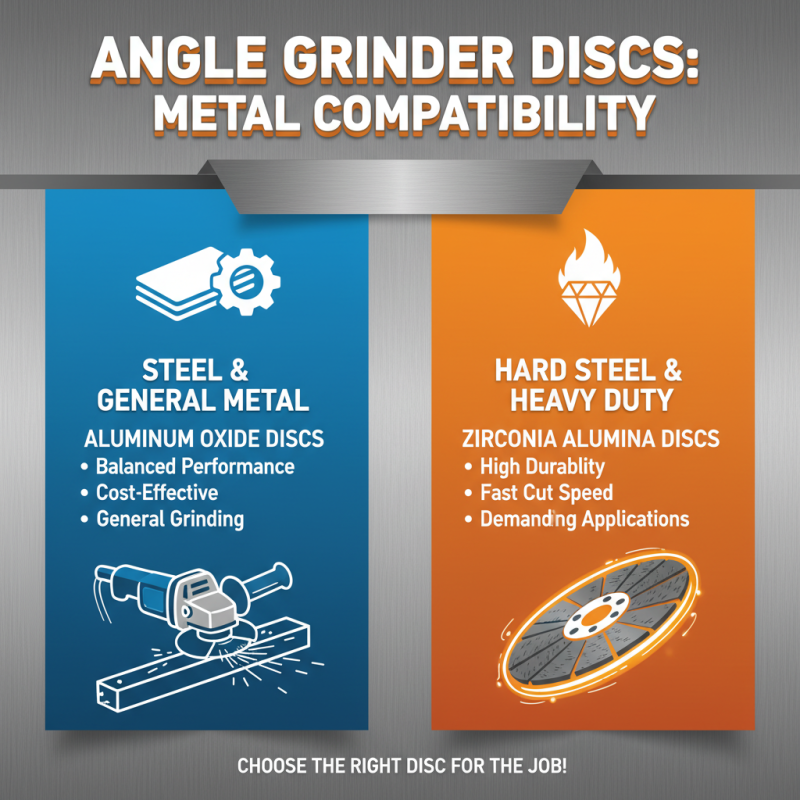
When selecting an angle grinder disc for metal cutting and grinding, understanding material compatibility is crucial for ensuring efficiency and effectiveness. Different metals, such as steel, aluminum, and stainless steel, require specific abrasive materials and disc configurations. For instance, abrasive discs made from aluminum oxide are highly effective for general-purpose grinding on steel. According to industry reports, they are widely utilized due to their balanced performance and cost-effectiveness. In contrast, zirconia alumina discs are preferred for high-performance applications involving hard steels, where durability and cut speed are paramount.
For cutting and grinding aluminum, a disc designed specifically for non-ferrous metals is necessary. These discs, often featuring a unique coating, prevent the material from clogging the surface during operation, enhancing cutting efficiency. Industry studies have indicated that using the wrong type of disc on aluminum may result in slower cuts and increased wear on the disc itself. Additionally, discs made from silicon carbide are particularly effective for working with harder materials, such as granite and concrete, but can also be employed on softer metals as long as the disc specifications match the required applications. Thus, understanding the properties of various metal types and selecting the appropriate disc can significantly enhance performance and prolong the life of the grinder.
Disc Specifications: Size, Thickness, and Arbor Size Explained
When selecting an angle grinder disc for metal cutting and grinding, understanding the specifications is essential for achieving optimal results. Three critical specifications to consider are the disc size, thickness, and arbor size. The size of the disc typically correlates with the power of the angle grinder, influencing not only the cutting depth but also the maneuverability during use. Common sizes for metal applications include 4.5 inches and 7 inches, with larger discs capable of handling heavy-duty tasks while smaller ones offer greater precision in tight spaces.
Thickness is another vital factor that directly affects the disc's durability and cutting efficiency. Thicker discs provide more stability and are suitable for heavy grinding tasks, while thinner discs enable quicker cuts and reduced material waste, making them ideal for metal cutting applications. However, the trade-off is that thinner discs may wear out more rapidly. Lastly, the arbor size, which refers to the hole in the center of the disc that attaches to the grinder, must match the grinder's spindle. Common sizes include 5/8 inches and 1 inch, and ensuring compatibility is crucial for safe operation. Understanding these specifications will help you select the right angle grinder disc for your specific metalworking needs.
Safety Tips for Using Angle Grinder Discs Effectively
When using angle grinder discs for metal cutting and grinding, prioritizing safety is crucial to prevent accidents and injuries. First, always wear appropriate personal protective equipment (PPE), including safety goggles, gloves, and a dust mask. This ensures protection against flying debris and harmful particles. It's also essential to secure your workpiece properly to avoid movement during cutting or grinding, which can lead to loss of control over the grinder.
In addition to PPE, inspecting your equipment before use is vital. Check the grinder and disc for any signs of damage or wear, such as cracks or chips, which could compromise performance and safety. Use the correct disc for your specific task – cutting and grinding discs have different uses and can behave differently under pressure. Familiarize yourself with the grinder's operation and controls, maintaining a firm grip with both hands during use to enhance control. Always work in a well-ventilated area to minimize inhaling any harmful dust created during the process, maintaining a clean workspace to reduce trip hazards and improve overall safety.
Effectiveness of Different Angle Grinder Discs for Metal Cutting and Grinding