2026 Best Automotive Gaskets for Global Buyers Need?
As the automotive industry evolves, the demand for high-quality automotive gaskets grows. These essential components ensure proper sealing in engines, preventing leaks and maintaining efficiency. The right gasket can enhance performance and longevity, making it crucial for manufacturers and buyers alike.
In 2026, global buyers will seek the best automotive gaskets to meet their needs. The market is filled with options, each promising reliability and effectiveness. However, not all products deliver on their claims. Discerning buyers must navigate this sea of choices carefully.
Choosing the right automotive gasket cannot be overstated. A poorly made gasket can lead to significant issues, including engine failure. Therefore, understanding material quality, design, and supplier reputation is key. It’s vital to prioritize trusted manufacturers who demonstrate expertise and commitment to quality. Emphasizing these factors ensures informed decisions in a competitive market.
Overview of Automotive Gaskets and Their Importance in Vehicles
Automotive gaskets play a crucial role in vehicle performance. They create a seal between different engine components, preventing leaks that can lead to serious engine issues. According to a report by Market Research Future, the automotive gasket market is projected to reach USD 4.8 billion by 2025. This significant growth underscores their importance in modern vehicles.
The different types of gaskets, such as cylinder head gaskets and intake manifold gaskets, each serve specific purposes. A damaged gasket can lead to oil leaks, overheating, or decreased engine efficiency. Studies indicate that inadequate sealing can decrease a vehicle's fuel efficiency by up to 10%. This figure highlights the significant impact that gaskets have on overall vehicle health and operating costs.
Despite their importance, gaskets are often overlooked during maintenance checks. Many vehicle owners may not realize that degraded gaskets can cause catastrophic failures. Adding more awareness in the industry could lead to better maintenance practices and improved vehicle longevity. The automotive sector must focus on educating both consumers and technicians about the critical role that gaskets play in vehicle upkeep.
Types of Automotive Gaskets Used in Different Engine Configurations
Automotive gaskets play a crucial role in engine performance. They create seals between engine components to prevent leaks. Different engine configurations require specific gasket types. Understanding these variations is essential for optimal engine operation.
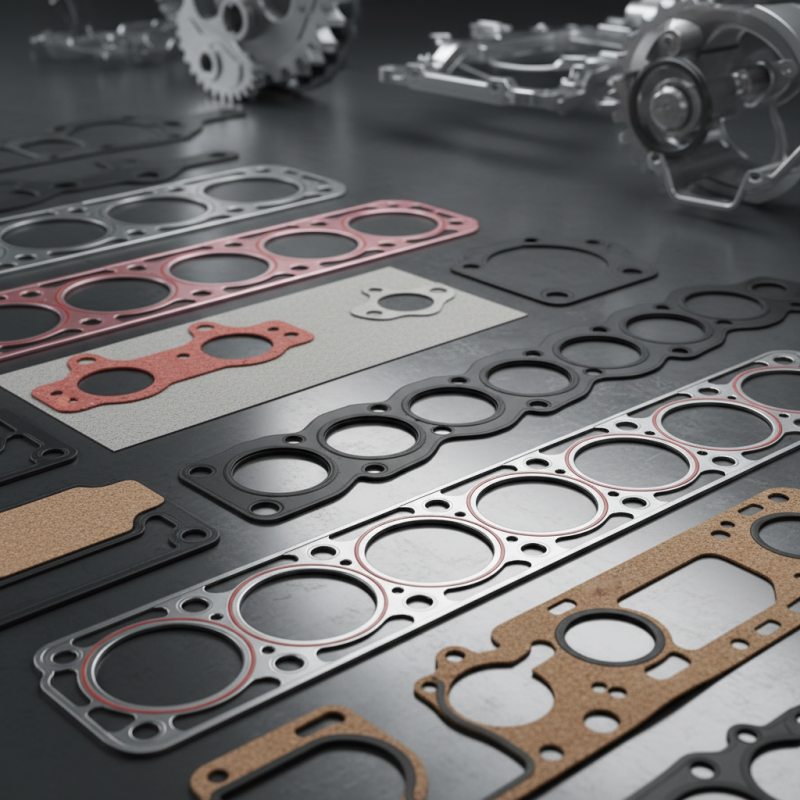
Commonly used gaskets include head gaskets, intake manifold gaskets, and exhaust gaskets. Head gaskets sit between the engine block and cylinder head. They must withstand high temperatures and pressures. Intake manifold gaskets seal the air-fuel mixture flow, while exhaust gaskets manage combustion gases. Each of these gaskets has unique properties tailored for their specific tasks.
In some cases, gaskets might not fit perfectly or wear out faster than expected. This can lead to leaks and decrease performance. Regular inspections and maintenance are essential. Mechanics often face challenges with gasket installation, especially in complex engine designs. Continuous learning in gasket technology helps improve reliability and engine efficiency. Understanding these nuances can enhance vehicle longevity.
2026 Best Automotive Gaskets for Global Buyers
The following chart illustrates the distribution of different types of automotive gaskets used across various engine configurations. The data highlights the prevalence of each type, allowing global buyers to make informed decisions based on current trends.
Key Factors to Consider When Choosing Automotive Gaskets
When choosing automotive gaskets, several factors come into play. Material composition is crucial. Gaskets can be made from rubber, metal, or composite materials. Each type has its strengths and weaknesses. Rubber gaskets are flexible but may degrade over time. Metal gaskets provide strength but can be more challenging to install.
Compatibility is another essential factor. Gaskets must match the specific requirements of the engine or component they service. Poor fit can lead to leaks and engine failure. Always refer to manufacturer specifications for proper guidelines.
Temperature resistance also plays a significant role in gasket selection. Gaskets should withstand high heat without losing integrity. Evaluate the operating environment; extreme conditions can shorten the lifespan of gaskets. It's worth noting that even top-quality gaskets require regular inspection. A proactive approach can prevent costly repairs later.
2026 Best Automotive Gaskets for Global Buyers Need? - Key Factors to Consider When Choosing Automotive Gaskets
| Gasket Type |
Material |
Temperature Range (°C) |
Pressure Range (psi) |
Applications |
| Head Gaskets |
Multi-Layer Steel (MLS) |
-40 to 200 |
2000 |
Automobiles, Trucks |
| Exhaust Gaskets |
Graphite |
-20 to 800 |
1500 |
Exhaust Systems |
| Oil Pan Gaskets |
Rubber |
-30 to 120 |
100 |
Engines |
| Timing Cover Gaskets |
Cork |
-40 to 120 |
150 |
Timing Covers |
| Intake Manifold Gaskets |
Composite |
-30 to 150 |
75 |
Intake Systems |
Global Suppliers and Manufacturers of High-Quality Automotive Gaskets
Automotive gaskets play a critical role in vehicle performance and reliability. Global suppliers and manufacturers are constantly advancing their technologies to meet the growing demands of the automotive industry. According to recent industry reports, the global automotive gasket market is projected to reach $7.1 billion by 2026, driven by the increasing production of vehicles and technological enhancements in gasket materials.
The shift towards electric vehicles (EVs) is significant. Innovative gaskets are required to manage thermal and vibration challenges in this new landscape. Additionally, manufacturers are focusing on creating gaskets that improve fuel efficiency and reduce emissions. For instance, lightweight materials are increasingly used to enhance performance. However, not all manufacturers maintain the same standards of quality. There’s variability in material durability and performance, which calls for careful selection by buyers.
Moreover, sustainability is becoming a key concern. Many suppliers are investing in eco-friendly materials and processes. This reflects a growing awareness of environmental responsibilities within the automotive sector. Some manufacturers struggle to balance sustainability with performance. Buyers must weigh the cost against the potential impact on both vehicle longevity and environmental standards.
Future Trends in Automotive Gasket Technology and Materials
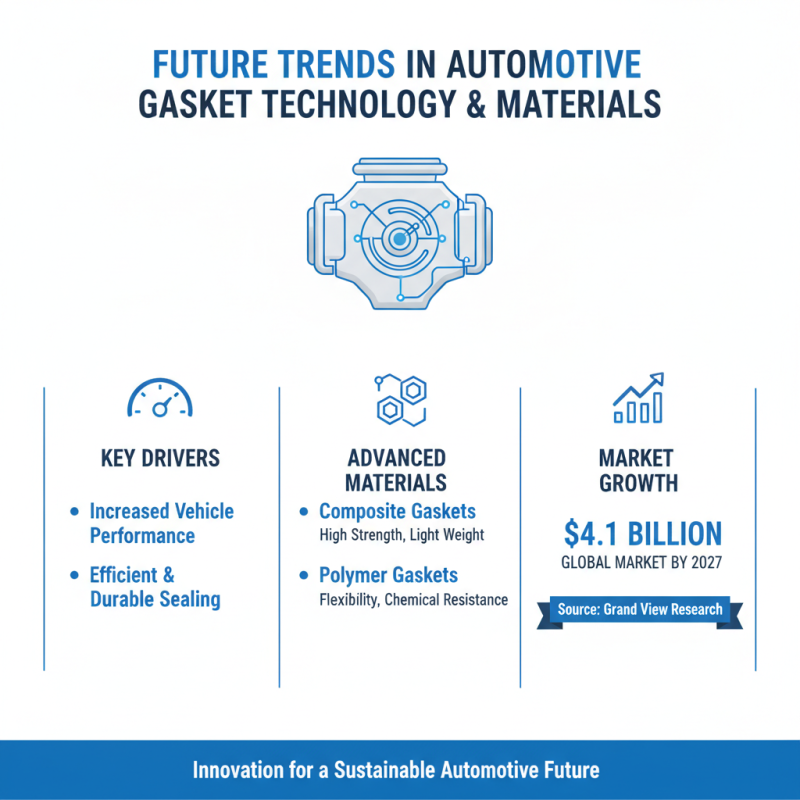
The future of automotive gaskets hinges on innovation in technology and materials. With increasing vehicle performance requirements, manufacturers are turning to advanced materials like composite and polymer gaskets. According to a recent market analysis by Grand View Research, the global automotive gasket market is projected to reach $4.1 billion by 2027, driven by demand for durable and efficient sealing solutions.
New gasket technologies, especially in electric vehicles (EVs), will play a pivotal role. This shift focuses on enhancing thermal and chemical resistance. Innovative rubber compounds are being explored, which can withstand higher temperatures and pressures. Such advancements aim to increase the overall lifespan of engine components, ultimately benefiting the automotive industry.
**Tip:** Regular inspection of gaskets can prevent costly repairs. Always consult with a specialist to select the right material for your vehicle's needs.
As the market shifts, the challenge remains to balance cost and performance. Innovations may lead to higher initial costs, which can deter manufacturers. Yet, the long-term benefits often outweigh these challenges. Ensuring sustainable practices is also crucial as environmental regulations tighten worldwide. Adapting to these changes will be essential for success in the automotive gasket sector.
**Tip:** Stay updated on industry trends. Joining professional networks can provide valuable insights into material advancements.