What is the Best Double Lip Oil Seal for Your Needs?
Selecting the right Double Lip Oil Seal can be challenging. Factors like material, size, and application directly affect performance. According to the latest industrial report by the International Sealing Association, seals play a crucial role in equipment efficiency. A well-chosen seal can minimize leakage and enhance machinery lifespan.
Double Lip Oil Seals are particularly effective in high-pressure environments. They create a strong barrier against oil, dust, and contaminants. Available in various materials, their selection should align with specific operational needs. For example, Viton seals excel in harsh chemical conditions, while nitrile is perfect for general purposes. The industry often overlooks the importance of these small components.
Understanding your unique requirements is key to optimal performance. Many clients assume all seals are interchangeable, leading to failures. A closer look reveals the nuances that define reliability and efficiency. The best Double Lip Oil Seal for your needs may require careful consideration and expertise. This choice can significantly influence machinery effectiveness and maintenance costs in the long run.
Understanding Double Lip Oil Seals: Purpose and Functionality
Double lip oil seals are crucial for many mechanical systems. They prevent oil leaks and keep contaminants out. Understanding their purpose helps to choose the best one for your application. These seals have two lip designs, which create a more effective barrier. The two lips work together, enhancing sealing performance compared to single lip seals.
The functionality of double lip oil seals is mainly about maintaining pressure. They trap lubricants while preventing dirt and moisture from entering. This is essential in applications like automotive engines and industrial machinery. Regular maintenance is vital, as wear and tear can lead to failure. It's a common oversight; many assume seals last indefinitely, yet they require careful monitoring.
When selecting a double lip oil seal, consider the environment. Temperature fluctuations and exposure to various fluids can affect performance. Different materials suit different conditions, impacting durability and longevity. It’s often a trial-and-error process. Users may not always find the perfect seal on the first try, reflecting the need for careful evaluation and adjustments in choice.
What is the Best Double Lip Oil Seal for Your Needs?
| Seal Type |
Material |
Temperature Range (°C) |
Pressure Rating (MPa) |
Application |
| Double Lip Oil Seal A |
Nitrile Rubber |
-30 to 100 |
0.5 |
Automotive |
| Double Lip Oil Seal B |
Fluoroelastomer |
-20 to 200 |
1.0 |
Industrial Machinery |
| Double Lip Oil Seal C |
Polyurethane |
-30 to 90 |
0.7 |
Hydraulic Systems |
| Double Lip Oil Seal D |
Silicone |
-50 to 150 |
0.4 |
Food Processing |
| Double Lip Oil Seal E |
EPDM |
-40 to 120 |
0.6 |
Electrical Equipment |
Factors to Consider When Choosing a Double Lip Oil Seal
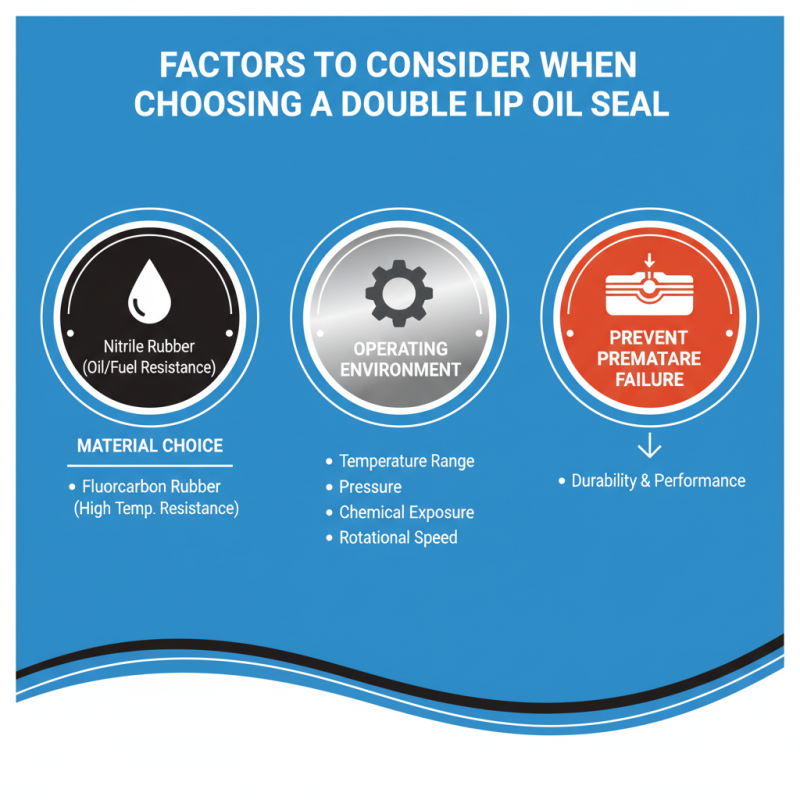
When selecting a double lip oil seal, there are several factors to consider. Material choice plays a crucial role in durability and performance. Common materials include nitrile rubber, which offers excellent resistance to oil and fuel, and fluorocarbon rubber, known for its high-temperature resistance. Understanding the operating environment helps prevent premature failure.
The design of the seal can also significantly impact its effectiveness. Seals with a larger lip contact area can provide better sealing performance. Ensure that the dimensions match your specific application. An incorrect fit may lead to leaks.
Another critical aspect is the seal's ability to handle pressure and temperature variations. Assess the operational limits to avoid issues. Regular maintenance is important, too. It can prolong the life of your seals and improve system efficiency. However, some users neglect this aspect, leading to costly repairs. Consider all these factors carefully to make an informed decision.
Materials and Design Options for Double Lip Oil Seals
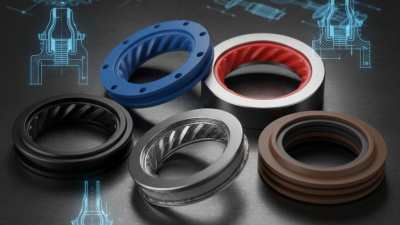
When selecting a double lip oil seal, material choice is crucial. Most seals are made from rubber compounds, like Nitrile, fluoroelastomer, or silicone. Each material has unique properties. Nitrile offers good abrasion resistance and oil compatibility. Fluoroelastomers are great for high temperatures and harsh chemicals. Silicone seals are flexible and withstand extreme temperatures but may not resist certain oils as well. Think about the environment in which the seal will operate. This can determine the best material.
Design is also a key factor. Seals come in various shapes and configurations. Some have reinforced designs to endure higher pressures. Others feature special lip designs that improve sealing performance. A double lip design can provide extra protection against contamination and leakage. It is essential to match the seal design to your application. Misalignment or improper sizing can lead to failure. Sometimes, the simplest options can be overlooked, leading to costly mistakes. Evaluate your specific needs carefully, and don’t shy away from seeking expert advice for the right selection.
Applications and Industries Utilizing Double Lip Oil Seals
Double lip oil seals play a crucial role across various industries, providing essential sealing solutions in diverse applications. These seals are commonly utilized in automotive, manufacturing, and aerospace sectors. According to a recent market analysis, the global oil seal market is expected to reach over $4 billion by 2025, fueled by increasing demand for reliable sealing solutions.
In the automotive industry, double lip oil seals are vital for engines and transmissions. They prevent leaks and protect components from contaminants. Manufacturing machinery also relies on these seals to enhance equipment longevity. A study showed that equipment failure due to seal malfunction can lead to up to 30% of downtime in production. This highlights the importance of selecting the right seal for specific applications.
Tip: When choosing a double lip oil seal, consider the application’s temperature range and environmental conditions. Ensure compatibility with oils and fluids to prevent premature failure.
Double lip oil seals are effective but not infallible. Installation errors can lead to suboptimal performance. Misalignment or incorrect size may cause leaks, resulting in costly repairs. Regular maintenance checks can mitigate these risks and improve the overall lifespan of the seals. As industries evolve, so do the designs of oil seals, making ongoing research and development critical.
Comparison of Top Brands and Products for Double Lip Oil Seals
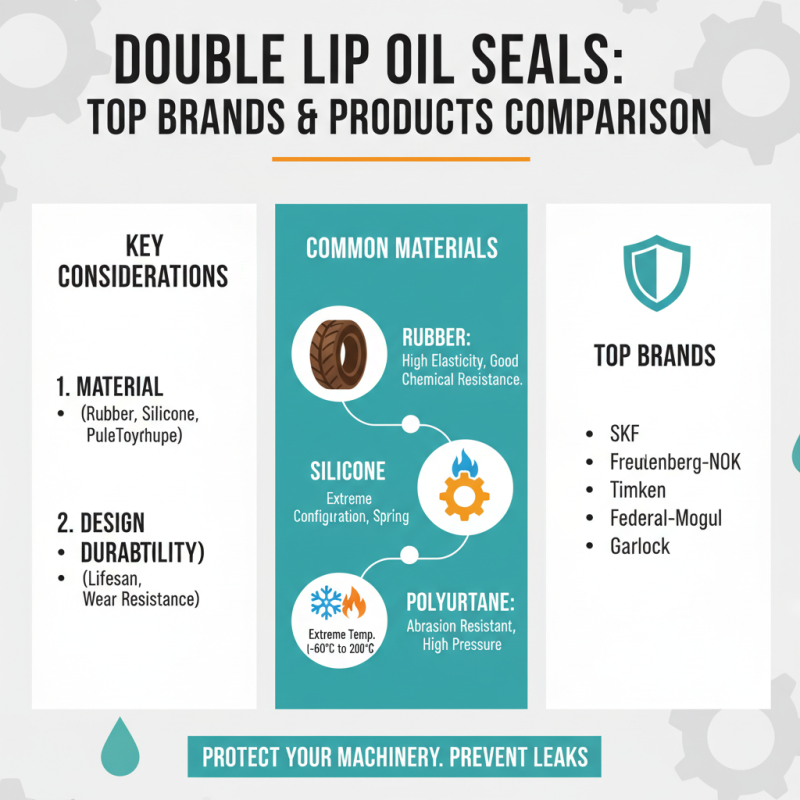
Choosing the right double lip oil seal is essential for various mechanical applications. These seals play a crucial role in preventing leaks and protecting machinery from contaminants. When evaluating products, it's important to consider material, design, and durability. Common materials used include rubber, silicone, and polyurethane, each with distinct advantages. Rubber seals offer great elasticity, while silicone seals can withstand extreme temperatures.
In terms of design, double lip seals generally provide better sealing performance compared to single lip seals. This makes them suitable for more demanding environments. Assessing the features of leading products can reveal how they perform under different conditions. Some seals excel in high-pressure applications, while others are better suited for low-speed environments. Often, testing these seals in real-world conditions can highlight their strengths and limitations.
Not all seals are created equal. Users might find that some brands often promise more than they deliver. Reviewing detailed specifications can help in making informed decisions. While expert opinions and user reviews are valuable, hands-on experience often provides the necessary insights. It may also be beneficial to keep an open mind about alternatives that could offer better performance for specific needs.