2026 Best Hydraulic Seals for Your Industrial Needs?
In the industrial sector, hydraulic seals play a crucial role in machinery functionality. A recent report by the International Hydraulic Seal Association revealed that the global hydraulic seals market is projected to reach $10 billion by 2026. This highlights the growing demand for high-quality seals to ensure efficiency and safety in operations.
According to industry expert Dr. Jane Thompson, “The right hydraulic seals can significantly reduce downtime and maintenance costs.” Many manufacturers face challenges in choosing the best seals for their specific needs. As these products evolve, users must stay updated on the latest advancements.
While options are plentiful, not all hydraulic seals perform equally. It’s essential to assess factors such as temperature resistance and chemical compatibility. Businesses often overlook these details, which can lead to costly mistakes. Careful evaluation and understanding of hydraulic seals can enhance operational success.
The Importance of Choosing the Right Hydraulic Seals for Industrial Applications
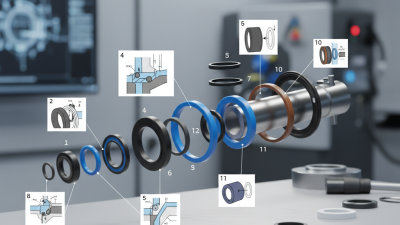
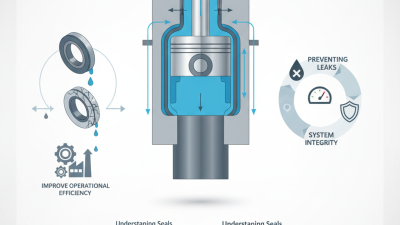
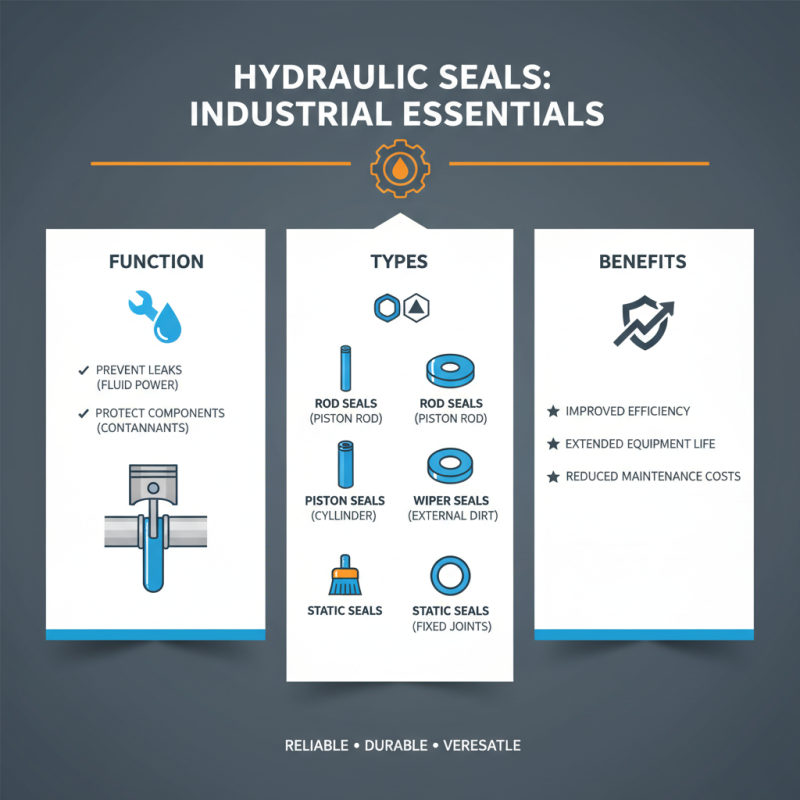
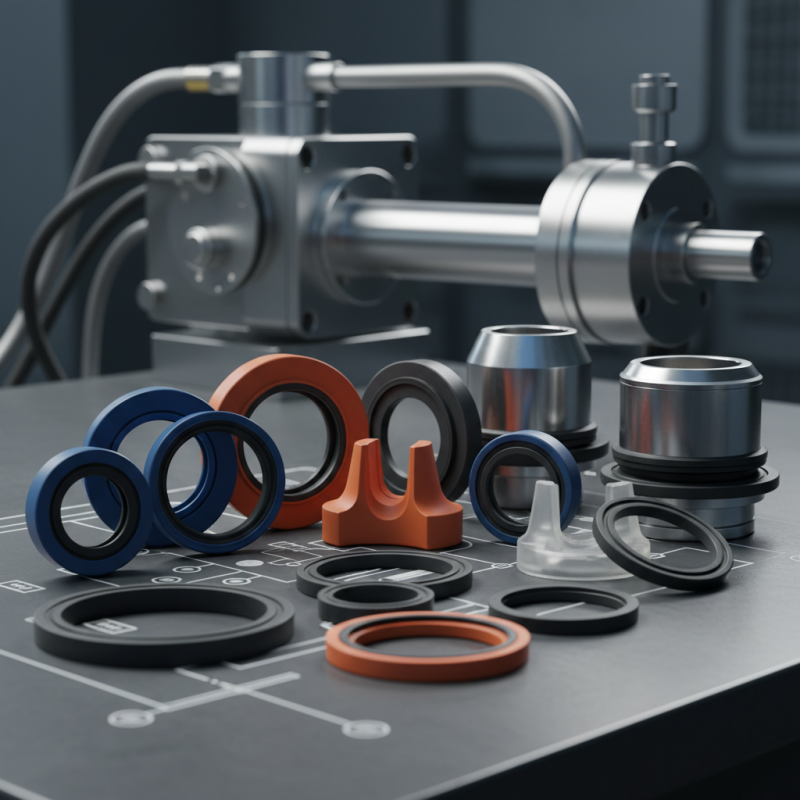
Choosing the right hydraulic seals is crucial for industrial applications. They prevent leaks, ensuring fluid containment and system efficiency. However, not all seals are created equal. Different environments and applications require specific materials and designs.
Consider the working conditions of your machinery. High temperatures or aggressive fluids can degrade components. If the chosen seal can't withstand these factors, it may fail quickly. This can lead to costly downtime. It's essential to assess your specific needs carefully.
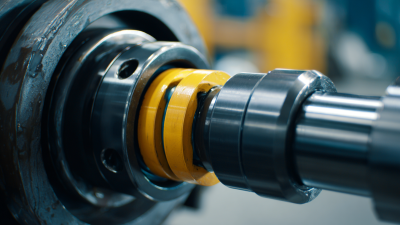
Installation is another area that often gets overlooked. Proper installation impacts the performance of seals significantly. Many users rush this process, which can lead to improper sealing. Regular maintenance checks are equally important. A small oversight could spiral into a major issue, highlighting the need for vigilance in seal selection and care.
2026 Best Hydraulic Seals for Your Industrial Needs
The chart above illustrates the distribution of different hydraulic seal materials used in industrial applications for 2026. The most commonly used material is Nitrile Rubber, followed by Polyurethane and Fluoroelastomer. Selecting the right hydraulic seal material is crucial for ensuring optimal performance and longevity in various industrial settings.
Comparative Analysis of Hydraulic Seal Materials: Strength vs. Temperature Resilience
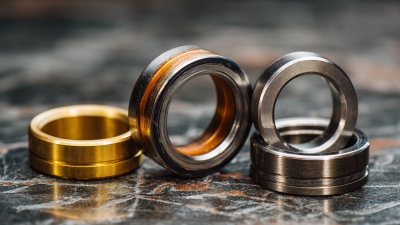
When selecting hydraulic seals, two critical factors come into play: strength and temperature resilience. Materials like polyurethane are popular due to their impressive tensile strength. They can withstand high pressure, making them suitable for demanding applications. However, they may not perform well in extreme temperatures. Under heat, they can soften and lose effectiveness.
On the other hand, materials such as fluorocarbon excel in high-temperature settings. They resist degradation even at elevated temperatures. This makes them ideal for environments with fluctuating heat. Yet, their strength can be a concern at very high pressures. A balance between these properties is essential.
In practice, it's vital to assess not just the materials but the specific application. Some environments demand a temporary compromise. For instance, a high-strength seal might fail under certain temperatures. Engineers must carefully analyze the working conditions. The wrong choice can lead to leaks or seal failure, resulting in costly downtime. Proper testing and trial runs can also ensure the right fit for your industrial needs.
2026 Best Hydraulic Seals for Your Industrial Needs
| Material Type |
Strength (MPa) |
Temperature Resilience (°C) |
Elastomer Type |
Usage/Application |
| Nitrile (NBR) |
20-30 |
-40 to 100 |
Acrylonitrile |
Hydraulic Systems |
| Fluoroelastomer (FKM) |
25-35 |
-20 to 200 |
Fluorocarbon |
Oil and Chemical Resistance |
| Polyurethane (PU) |
30-50 |
-40 to 80 |
Polyether |
General Sealing |
| Silicone (SI) |
10-20 |
-50 to 200 |
Siloxane |
High Temperature Applications |
| Polytetrafluoroethylene (PTFE) |
10-25 |
-200 to 260 |
Teflon |
Extreme Conditions |
Industry Standards and Certifications for Hydraulic Seals in Manufacturing
When selecting hydraulic seals for industrial applications, adhering to industry standards is crucial. Different sectors have unique requirements. Seals must handle extreme temperatures, pressure, and various media. Compliance with standards ensures reliability and durability.
Certifications play a key role. They indicate that a product meets specific performance criteria. Look for seals that have certifications like ISO or similar industry benchmarks. These seals often undergo rigorous testing. However, not all products meet every standard. It's important to evaluate the certification details.
Quality control can vary significantly between manufacturers. Some may cut corners, leading to potential failures. Regular audits and third-party testing can help ensure compliance. Businesses should also assess their suppliers continuously. Taking time to research seal performance can save costs in the long run. Balancing cost and quality remains a common challenge.
Future Trends in Hydraulic Seals: Innovations and Sustainability Considerations
The future of hydraulic seals is driven by innovation and sustainability. Businesses seek seals that offer efficiency and durability. Traditional materials are being replaced with eco-friendly options. These new materials can withstand extreme conditions while being less harmful to the environment. It’s a necessary step as industries strive for greener solutions.
Recycling old seals presents challenges but also opportunities. Many users do not know how to dispose of hydraulic seals properly. Awareness is essential to reduce waste and environmental impact. Innovations in seal design also foster better performance. New designs may improve sealing capabilities but could be costly. Manufacturers face a balancing act between cost and sustainability.
Focusing on biodegradable materials still needs refinement. Many current products do not meet all performance standards. The market demands high quality, and sometimes green isn't enough. Regular assessments of these materials are vital to achieving long-term goals. The path forward is complex, but the potential for growth is enormous.