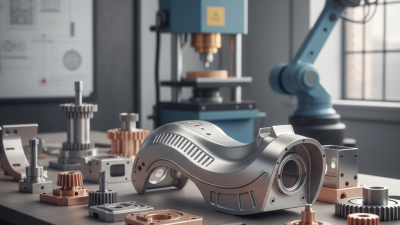
Why Choose Automotive Metal Stamping Parts for Your Business?
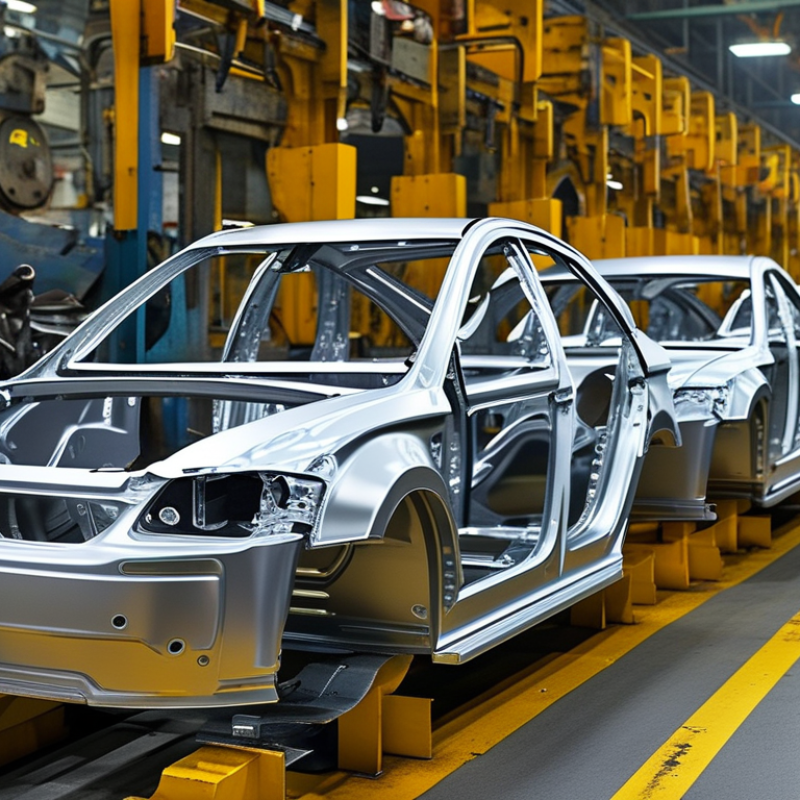
In the automotive industry, precision and durability are crucial. Automotive Metal Stamping Parts meet these demands effectively. These components play a vital role in vehicle assembly, enhancing performance and safety. Their reliability stems from advanced manufacturing processes.
Choosing Automotive Metal Stamping Parts can elevate business operations. These parts are cost-effective and versatile. They reduce overall production time, which is invaluable for manufacturers. However, the selection process can be challenging. Not all suppliers offer the same quality and expertise. Due diligence is necessary to find a trusted partner.
With the increasing complexity of vehicles, the demand for high-quality parts is growing. Businesses must adapt to stay competitive. Automotive Metal Stamping Parts can provide a competitive edge when chosen carefully. Investing in the right components is essential for long-term success.
Benefits of Automotive Metal Stamping: Cost Efficiency and Scalability
Automotive metal stamping is a strategic choice for many businesses due to its cost efficiency and scalability. According to a report by Grand View Research, the global automotive metal stamping market is projected to reach $27.38 billion by 2026. This growth is driven by the increasing demand for lightweight components to enhance fuel efficiency. Metal stamping allows manufacturers to produce complex parts at a lower cost compared to traditional manufacturing methods.
The process of metal stamping also supports scalability. A study from Research and Markets indicates that companies can increase production volume by 30-50% without significantly raising operational costs. This is crucial for businesses aiming to adapt to market demands swiftly. For instance, in high-volume productions, such as automotive components, stamping can drastically reduce labor time and material waste. Despite these advantages, companies must consider potential challenges—such as equipment maintenance and the need for skilled operators—to maximize efficiency.
The emphasis on cost efficiency does not come without its pitfalls. Initial investments in stamping presses can be high. Additionally, consistent quality control is vital; inconsistent results can lead to increased waste and customer dissatisfaction. However, the benefits often outweigh these challenges, making automotive metal stamping a valuable option for modern manufacturers.
Key Applications of Metal Stamping in the Automotive Industry
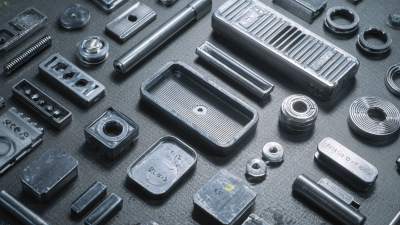
Metal stamping plays a crucial role in the automotive industry. It is used to create various parts, including brackets, structural components, and trim pieces. These parts are essential for both functionality and aesthetics. The precision of metal stamping ensures that each piece fits perfectly, reducing the need for rework.
Tips: Consider using metal stamping for components requiring high strength and durability. This process minimizes material waste while ensuring reliability in production.
Applications vary widely. For example, metal stamping is vital in producing engine covers and chassis parts. The efficiency of this method allows for mass production without sacrificing quality. However, over-reliance on automation can sometimes lead to issues in quality control.
Tips: Regular audits help maintain accuracy. Engage with your team to identify any potential flaws early in the production process.
Additionally, metal stamping can support innovative design features, such as lightweight components that enhance vehicle performance. However, experimenting with new designs requires careful planning and prototyping. Balancing innovation with cost-effectiveness can be challenging, yet worthwhile.
Comparative Analysis: Metal Stamping vs. Other Manufacturing Methods
Metal stamping is a manufacturing process that involves shaping metal sheets into precise parts. This method stands out when compared to other manufacturing techniques such as machining or additive manufacturing. Unlike machining, which removes material, metal stamping forms parts without excessive waste. This efficiency lowers production costs significantly. A well-designed stamping die allows for high-volume production with consistent quality.
Other methods may offer flexibility, but they often come with longer lead times. For example, additive manufacturing is ideal for prototypes but struggles with mass production. Metal stamping, conversely, can produce thousands of identical components quickly. The accuracy of stamped parts also ensures that they fit perfectly in the assembly line.
However, the initial investment for stamping dies can be high. Companies must evaluate if the savings on material and labor will justify this upfront cost. Additionally, design changes in metal stamping require new dies, which can be a setback. Despite these challenges, many businesses find that metal stamping provides an effective blend of speed, cost-efficiency, and reliability.
Why Choose Automotive Metal Stamping Parts for Your Business?
| Manufacturing Method |
Cost Efficiency |
Production Speed |
Precision |
Material Versatility |
| Metal Stamping |
High |
Fast |
High |
Aluminum, Steel, Copper |
| Injection Molding |
Moderate |
Moderate |
High |
Plastics |
| CNC Machining |
Low to Moderate |
Slow |
Very High |
Metals, Plastics |
| 3D Printing |
High |
Varies |
Moderate |
Plastics, Metals |
| Laser Cutting |
Moderate |
Fast |
High |
Metals |
Industry Growth Trends: Automotive Metal Stamping Market Statistics
The automotive metal stamping market is expanding rapidly. According to industry reports, it is expected to reach a valuation of $33 billion by 2026, growing at a CAGR of 5.5% from 2021. This growth can be attributed to the rising demand for lightweight vehicles. Manufacturers are increasingly seeking ways to reduce weight while maintaining structural integrity. Metal stamping meets this need effectively.
Moreover, the increasing complexity of automotive designs drives the need for advanced stamping techniques. The market is seeing a shift towards high-strength materials and innovations in engineering. Nearly 70% of automotive parts are metal-stamped, underscoring the process's utility and efficiency. This is notable when considering that vehicles require precise components for safety and performance.
However, the market faces challenges. Fluctuating raw material prices can impact production costs. Manufacturers must adapt to these changes while ensuring product quality. Continuous investment in technology and workforce training is essential for staying competitive. Despite these hurdles, the outlook for automotive metal stamping remains positive, reflecting the industry's resilience.
Quality Control in Metal Stamping: Ensuring Precision and Durability
In the automotive industry, precision and quality are non-negotiable. Metal stamping parts play a crucial role in manufacturing processes. Quality control is essential to ensure these parts meet strict specifications. A focus on quality control can enhance durability and performance.
To achieve high-quality stamped parts, manufacturers must implement robust quality control measures. Regular inspections during production can identify issues early. This proactive approach minimizes waste and reduces costs. Integrating advanced technology, like automated inspection systems, helps maintain precision.
**Tip:** Developing a quality checklist can guide inspections. Include criteria like dimensional accuracy and surface finish. This practice fosters consistency and accountability among team members.
Despite having quality systems, occasional lapses can occur. Employees might overlook small flaws due to high production demands. Regular training sessions can address this issue, reminding staff about the importance of diligence. The goal is to cultivate a culture of quality awareness across the organization.
**Tip:** Encourage open communication about quality concerns. Team discussions can lead to innovative solutions and improvements. This engagement strengthens commitment to producing top-notch automotive parts.
Quality Control in Automotive Metal Stamping