Why Choose Metal Stamping Discs for Your Projects?
Metal stamping discs are essential in various manufacturing sectors. Their precision and durability can elevate project outcomes significantly. According to a report by Market Research Future, the global metal stamping market was valued at approximately $200 billion in 2021, demonstrating its vital role in production processes.
Industry expert Dr. Sarah Thompson emphasizes, "Choosing the right metal stamping disc can transform the efficiency of your entire project." Her insights reflect a growing trend where businesses prioritize quality and reliability in their materials. Metal stamping discs offer various benefits, including superior strength and resistance to wear.
However, selecting the right metal stamping disc requires careful consideration. Different materials and coatings can impact performance. The industry continues to evolve, with innovations that sometimes overlook existing solutions. Balancing cost and quality is a challenge many companies face. Striving for the perfect choice is crucial yet often leads to unexpected hurdles in the production line.
Benefits of Using Metal Stamping Discs in Manufacturing Projects
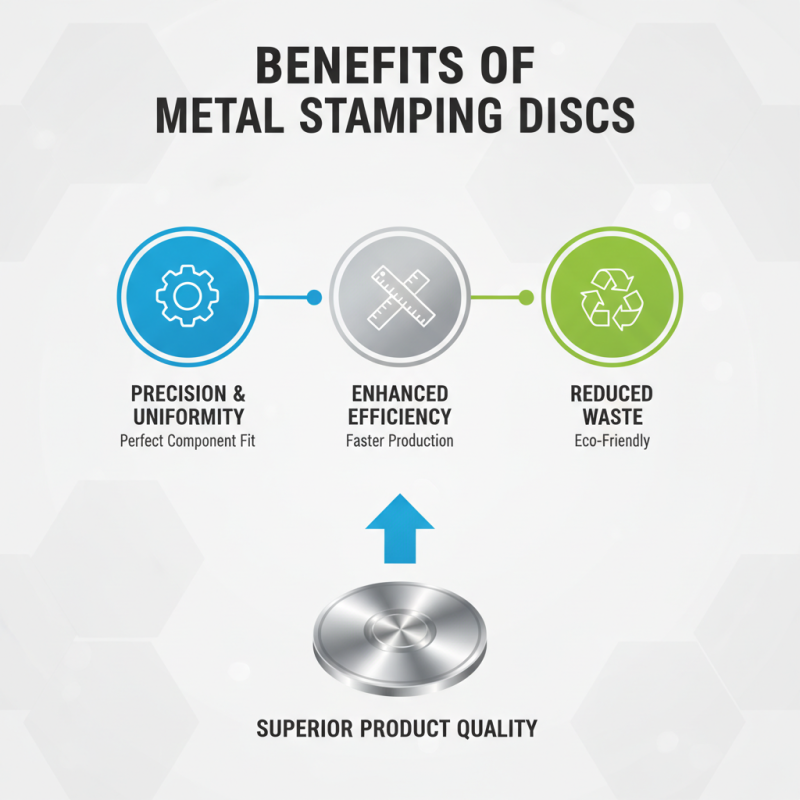
Metal stamping discs are becoming increasingly popular in manufacturing projects. They offer various advantages that can enhance efficiency and product quality. These discs are precise and facilitate uniform designs. This precision is crucial for ensuring that components fit perfectly in their respective assemblies. The controlled manufacturing process also minimizes waste, making them an eco-friendly option.
Using metal stamping discs can lead to cost savings over time. They enable the production of large volumes with minimal labor. However, it’s important to note that initial setup costs can be high. Assessing the long-term benefits against upfront investments is vital for decision-making.
**Tip:** Always evaluate your project's specific needs before choosing materials. Sometimes, other manufacturing methods may better suit your goals.
Metal stamping discs promote versatility. They can be used in various industries, from automotive to electronics. However, not all projects require disc shapes. Reflecting on the project requirements can prevent unnecessary complications.
**Tip:** Consider the compatibility of stamping discs with other materials in your project. Ensure that the end product maintains structural integrity and performance.
Key Industries Utilizing Metal Stamping Discs and Their Applications
Metal stamping discs are widely used across various industries due to their versatility and precision. The automotive sector relies heavily on these discs for manufacturing components like brake pads and structural parts. According to a recent market report, the global automotive stamping market is expected to reach $85 billion by 2025. This highlights its critical role in reducing production costs while maintaining high-quality standards.
Another significant field utilizing metal stamping discs is electronics manufacturing. These discs are often employed in making electrical connectors and circuit boards. The electronics industry is continuously expanding, with a projected growth rate of over 8% in the coming years. However, adapting to rapid technological advancements poses challenges. Companies must ensure their stamping processes can keep up with these changes.
Furthermore, the aerospace industry also benefits from metal stamping. Components like brackets and housings are made from these discs. While the sector is growing, the emphasis on precision and safety brings its own set of challenges. Even minor defects can lead to severe consequences. Thus, continuous quality improvement is essential to meet safety regulations and industry standards.
Cost-Effectiveness of Metal Stamping vs. Other Manufacturing Methods
Metal stamping has emerged as a cost-effective solution for various manufacturing needs. According to a recent industry report, metal stamping can reduce production costs by up to 30% compared to other techniques. This significant savings is largely due to the efficiency of the process. Metal stamping typically requires fewer labor hours and minimizes material waste.
In contrast, methods such as machining can lead to excessive waste and higher labor costs. A study indicated that 20% of materials used in machining processes are lost. This inefficiency makes metal stamping an attractive option for projects requiring precision without breaking the bank. Additionally, with advancements in technology, it’s now easier to scale production while maintaining cost efficiency.
Quality is another factor worth considering. Reports suggest that metal stamping often yields higher consistency in product quality than traditional methods. Yet, some may argue over the initial setup costs. They might claim that companies can face challenges before realizing savings. Balancing upfront investment and long-term gains can be tricky but often pays off significantly.
Comparative Analysis of Material Types for Metal Stamping Discs
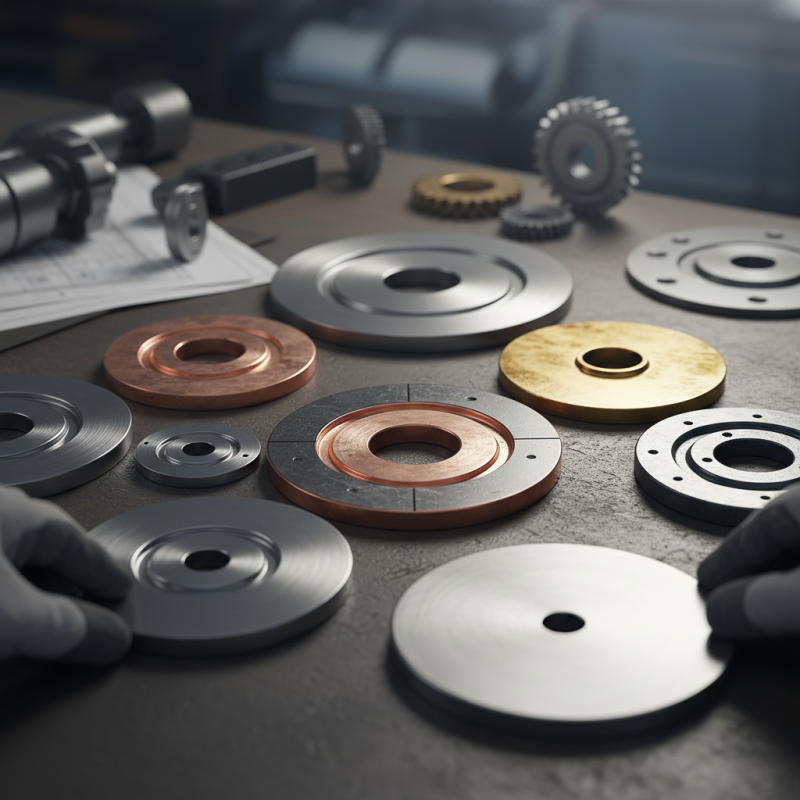
When considering metal stamping discs, the choice of material is crucial. Common options include steel, aluminum, and brass.
Steel is strong and durable. It can withstand high-stress situations, making it ideal for heavy-duty applications. However, its weight can be a downside.
Aluminum is lightweight and corrosion-resistant. It is easy to work with and often used in automotive parts. But it may lack the strength needed for some projects.
Brass has its own appeal. It has a beautiful finish that adds aesthetic value. It is also resistant to corrosion, which can be important for specific applications. Yet, brass might not be as cost-effective as steel or aluminum.
Each material has its strengths and weaknesses. The right choice often relies on the specific project requirements. Choosing a material is never simply a yes or no answer. It requires careful consideration, weighing durability against weight and cost. Making a decision isn't always clear-cut; it invites reflection and nuance.
Industry Trends: Future Growth of Metal Stamping Technology and Innovations
The metal stamping industry is experiencing significant growth. According to a recent market report, the global metal stamping market is projected to reach USD 270 billion by 2026. This growth comes from rising demand in automotive, aerospace, and electronics sectors. Companies are investing in advanced metal stamping technologies, driving innovation.
One notable trend is the integration of automation. Manufacturers adopt smart technologies. These tools improve efficiency and reduce errors. In fact, studies show that automated processes can reduce production costs by 30%. Yet, some companies hesitate to embrace these changes. The fear of high initial costs can deter investment.
Sustainability is also becoming a key focus. Eco-friendly materials and processes are on the rise. Research indicates that companies that prioritize sustainability outperform their competitors by 20%. However, not all firms are ready to make this shift. Balancing cost and sustainability remains a challenge. The future demands adaptation, and businesses must rethink their strategies to thrive in this evolving landscape.