How to Choose the Right Stainless Gasket for Your Application?
In the industrial landscape, choosing the right stainless gasket is crucial. The global gasket market is expected to reach $20 billion by 2025, highlighting the importance of high-quality materials. Stainless gaskets are essential in various applications, including manufacturing, automotive, and energy sectors. These gaskets offer exceptional resistance to corrosion and high temperatures, ensuring reliable performance.
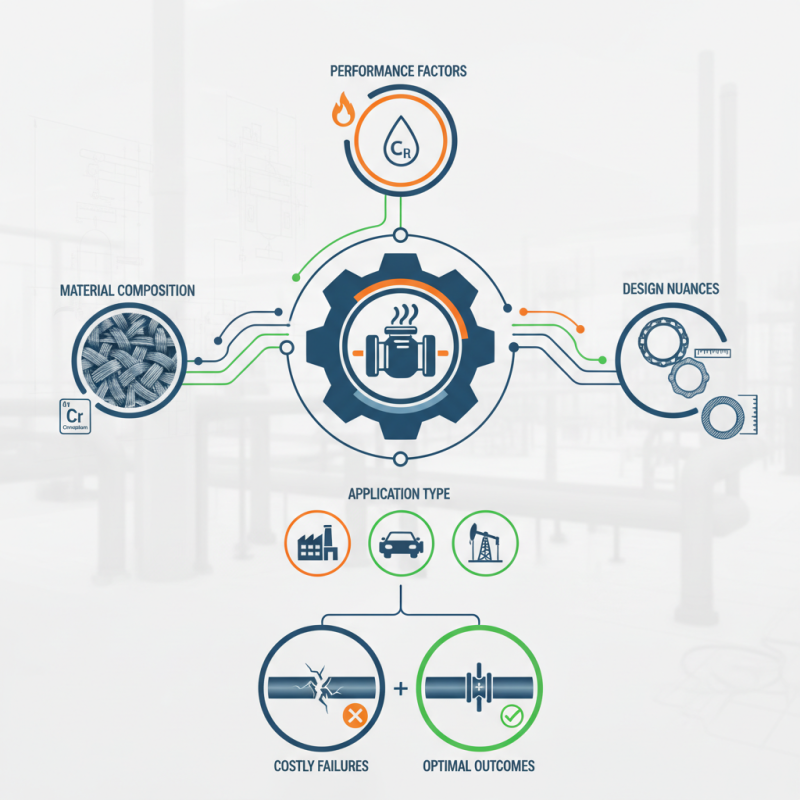
However, not all stainless gaskets are created equal. Different applications require different specifications. For instance, a gasket designed for high-pressure environments needs to withstand extreme stress. The complexity of material composition can affect durability and performance directly. A misstep in selection can lead to costly failures and extended downtime.
Moreover, understanding the nuances of gasket design is vital. Factors such as thickness, shape, and surface finish can influence effectiveness. This complexity emphasizes the importance of a thoughtful approach when selecting stainless gaskets. Industrial professionals must remain vigilant in their assessment to ensure optimal outcomes.
Understanding the Different Types of Stainless Gaskets Available
When selecting a stainless gasket, it's vital to understand the various types available. Common types include spiral wound, metal jacketed, and solid metal gaskets. Each type serves different applications and environments. A spiral wound gasket, for example, is designed for high-pressure situations. It effectively withstands temperature fluctuations and offers excellent sealability. In contrast, a solid metal gasket is ideal for more extreme conditions but may lack the flexibility found in other types.
Tips: Assess your application needs thoroughly before making a choice. The right gasket should match the operating pressures and temperatures. According to industry reports, using the incorrect gasket can lead to premature failure and costly downtime. It's crucial to evaluate materials carefully. While stainless steel is durable, remember that not all grades are suitable for every environment.
Consider joint design and compression. A poorly designed joint can compromise gasket performance. Be mindful that choosing the right gasket isn’t always straightforward. Some applications may require trial and error. Understanding compatibility with fluids and gases is essential. Always refer to the manufacturer's specifications for optimal performance.
How to Choose the Right Stainless Gasket for Your Application?
| Gasket Type |
Material |
Temperature Range (°C) |
Pressure Rating (psi) |
Application |
| Spiral Wound Gasket |
Stainless Steel + Filler Material |
-200 to 800 |
1500 |
Flange sealing in boilers, heat exchangers |
| Camprofile Gasket |
Stainless Steel |
-100 to 500 |
3000 |
High pressure applications, automotive |
| Ring Joint Gasket |
Soft Iron / Stainless Steel |
-50 to 650 |
5000 |
Oil and gas, chemical industries |
| Metal Jacketed Gasket |
Stainless Steel (jacket) + Filler |
-200 to 600 |
1500 |
Heat exchangers, pressure vessels |
Assessing Compatibility with Your Application's Materials and Conditions
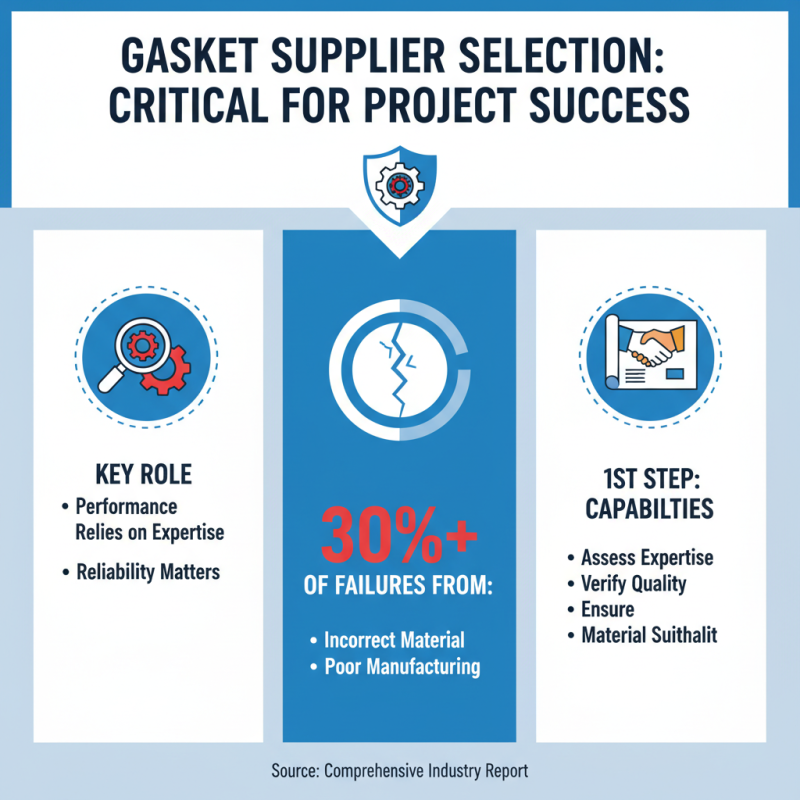
Selecting the right stainless gasket requires careful evaluation of materials and operating conditions. Compatibility is crucial for optimal performance. A study by the Gasket Manufacturers Association highlights that improper material selection can lead to leaks and equipment failure, resulting in costly downtime and safety hazards.
Understanding the chemical properties of the fluids involved is essential. For instance, with aggressive chemicals, certain stainless steel types may corrode. The American Society of Testing and Materials indicates that 30% of gasket failures arise from chemical incompatibility. Additionally, temperature and pressure conditions significantly impact gasket performance. Operating above recommended limits can degrade material quickly.
Consider the environment as well. Moisture and extreme temperatures often contribute to gasket degradation. Some applications may produce vibrations, stressing the gasket beyond its limits. Many users overlook these factors, leading to premature failure. Routine assessments can help avoid such issues.
Frequent inspection and testing are essential for long-term success. Using data from existing operations can provide insights into material life expectancy. Compatibility assessments should not be neglected. Gaskets may seem simple, but they require thorough analysis and proper selection.
Evaluating Gasket Thickness and Compression Properties
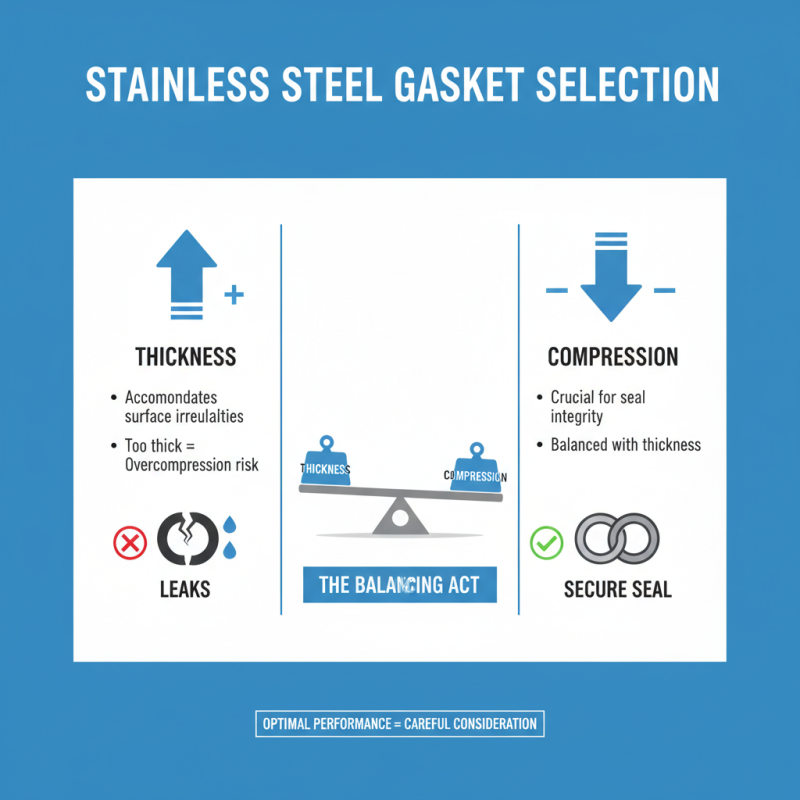
Selecting the right stainless gasket for your needs involves careful consideration of thickness and compression properties. Gasket thickness is crucial. Thicker gaskets can better accommodate surface irregularities. However, too much thickness may lead to overcompression. This can compromise the seal and lead to leaks. It's a balancing act that requires attention to detail.
Compression properties also play a role in gasket performance. A gasket must withstand the forces it encounters. Materials vary in compressibility. Some might compress easily, while others resist deformation. This resistance affects how effectively the gasket can seal under pressure. Not every application demands high compression resistance, yet it is often overlooked. A gasket that doesn’t compress enough may fail, while one that compresses too much can create unnecessary stress.
You may find yourself in a trial-and-error situation. Testing different thicknesses and materials can yield insights. It's important to document these attempts, noting what works and what doesn’t. Sometimes, unexpected outcomes lead to an optimal solution. Paying attention to specific requirements can lead to better choices. The process of selection is as important as the choice itself.
Importance of Gasket Temperature and Pressure Ratings
When selecting a stainless gasket, understanding temperature and pressure ratings is vital. These ratings determine how well a gasket can perform under specific conditions. High temperatures can weaken some materials, leading to leaks. Likewise, excessive pressure can cause gaskets to lose their sealing abilities. Choosing a gasket without considering these factors could result in failure.
Consider the application carefully. If you operate in extreme heat or pressure, standard gaskets may not suffice. You may need specialized options. Look for gaskets that withstand higher ratings. Test their performance in real-life conditions. Will they last? Can they handle fluctuations? It's essential to reflect on these questions.
Moreover, materials play a crucial role. Some stainless steel gaskets manage heat better than others. This variability can affect choice. Are you making a fully informed decision? Understand the limitations of your options. Sometimes, the most obvious choice isn't the best one. Investigating different types can save you time and money in the long run.