2026 How to Choose the Best Metal Cutting Diamond Disc for Your Project?
Choosing the right Metal Cutting Diamond Disc is crucial for any project. As John Smith, a leading expert in the diamond tool industry, states, “The right disc can make all the difference in efficiency and finish.” With so many options available, understanding their features is essential. Each disc offers unique benefits suited to various materials and cutting tasks.
Selecting the appropriate Metal Cutting Diamond Disc involves knowing your needs. Do you require fast cutting, or are you prioritizing a smooth finish? Different applications demand specific disc types. Also, the disc's bonding material affects its performance and longevity.
Reflecting on these aspects helps avoid common pitfalls. Not all diamond discs are created equal. Many users fail to consider the compatibility with their tools. A mismatch can lead to ineffective cuts and wasted time. Taking time to choose wisely ensures project success and satisfaction.
Understanding the Types of Metal Cutting Diamond Discs Available
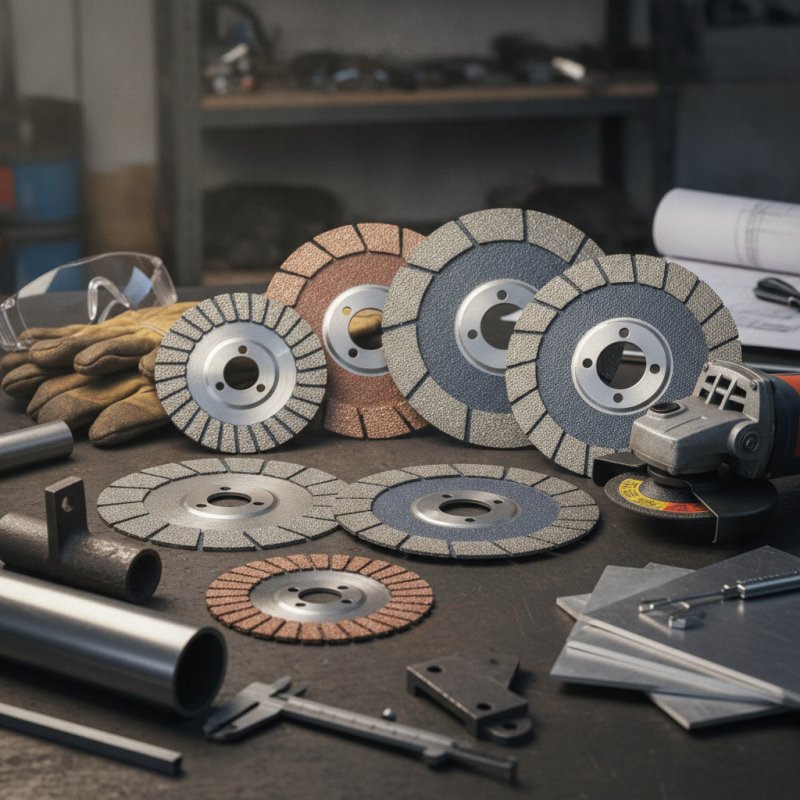
When selecting a metal cutting diamond disc, it's crucial to understand the various types available. Generally, these discs can be categorized into segmented, continuous rim, and turbo discs. Segmented discs have segments that allow for efficient material removal, making them suitable for hard metals. Continuous rim discs, on the other hand, provide a smooth cut but may require more time and effort on dense materials.
Another consideration is the size and thickness of the disc. Thicker discs tend to offer greater durability but may not be as suitable for detailed or intricate work. Choosing the right diameter is essential; larger discs can handle bigger projects but require more powerful tools. Adjusting your selection based on project requirements can prevent unexpected challenges.
Keep in mind, not all discs are equal. Some may struggle with certain materials. It’s essential to test different products. The right disc enhances efficiency but may take time to find. Each project presents unique needs, so don’t hesitate to experiment. Understanding the specific applications will ultimately lead to better results.
Metal Cutting Diamond Discs Types Comparison
Key Factors to Consider When Selecting a Diamond Disc for Metal
Choosing the right diamond disc for metal cutting is crucial. Consider the material you are working with. Not all discs cut through all metals effectively. Thin metal might require a different disc compared to thicker steel. You should also think about the thickness of the disc itself. Thinner discs can make precise cuts but may wear out quickly.
The grit size is another vital factor. A higher grit number may offer a smoother finish, but it could take more time to cut through tougher materials. Remember that harsh cuts can produce more heat. This impact might diminish the lifespan of your disc faster than expected. Users must balance speed with durability.
Always check compatibility with your cutting tool. A disc that doesn’t fit correctly can lead to dangerous situations. Ensure your safety gear is in order as well. Sometimes, even a small mistake can lead to injuries. Take time to assess your options. Engaging with experienced professionals can often guide you in the right direction.
2026 How to Choose the Best Metal Cutting Diamond Disc for Your Project?
| Key Factors |
Description |
Recommendation |
| Material Type |
Determine if you are cutting stainless steel, aluminum, or other metals. |
Choose a disc designed specifically for the type of metal. |
| Bond Type |
The bond determines how the diamonds are held in place, affecting performance. |
Select a bond type that suits the cutting application: hard or soft bond. |
| Diameter |
Larger discs may cut faster but can be more challenging to handle. |
Choose a diameter based on your tool and cutting speed requirements. |
| Thickness |
Thicker discs offer durability; thinner discs provide precision. |
Select thickness based on the level of precision and durability needed. |
| Diamond Quality |
The quality of diamond affects cutting speed and disc life. |
Opt for high-quality diamonds for longer-lasting performance. |
| Cooling Method |
Some cuts require coolant to reduce heat and prolong disc life. |
Consider wet cutting if heating is a significant concern. |
Assessing the Compatibility of Diamond Discs with Your Cutting Tool
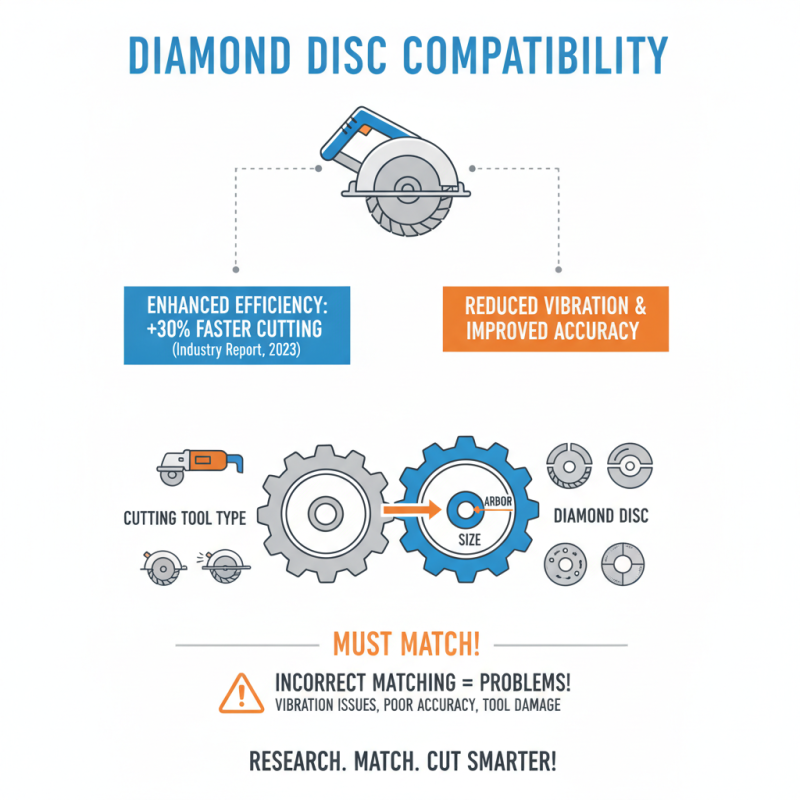
When selecting a metal cutting diamond disc, compatibility with your cutting tool is essential. Research indicates that the right disc can enhance cutting efficiency by up to 30% (Industry Report, 2023). It's important to assess the type of cutting tool you are using, as not all discs are suitable for every machine. For instance, specific arbor sizes must match to ensure proper fitting. Incorrect matching can lead to vibration issues and reduced cutting accuracy.
Consider the material you're cutting as well. Different diamond discs are designed to handle various materials like steel or concrete. According to the 2022 Market Analysis, using the correct diamond specification can prolong the lifespan of the disc by 40%. Additionally, monitor the RPM ratings of both your tool and the disc. Mismatched RPMs can result in decreased performance or even accidents.
The application environment also plays a role. For wet cutting applications, discs designed for water cooling are more efficient. While purchasing, be cautious of overly generalized product descriptions. They can overlook crucial compatibility factors. Analyzing user reviews and expert recommendations can provide deeper insights. Recognizing these compatibility factors not only aids in project success but ensures safety during operation.
Evaluating Durability and Performance of Metal Cutting Diamond Discs
When choosing a metal cutting diamond disc, evaluating its durability and performance is crucial. The materials used in these discs significantly influence their lifespan. High-quality segments, often made with tighter diamond bonds, tend to last longer. This means fewer disc replacements during your project, saving time and money. However, durability is not only about materials but also how the disc is used. Overheating and improper techniques can lead to quicker wear.
Performance aspects include cutting speed and precision. A well-designed disc cuts through metals smoothly, reducing vibration. This results in cleaner edges and less finishing work. But, using a disc that's too aggressive can create issues. Sometimes, it can chip the material instead of cutting it. Users should be aware of the metal type being worked on, as different metals require different disc properties.
Lastly, the operational environment matters. Dust and coolants can affect how a disc performs. Regular maintenance and cleaning are necessary for optimal results. Pay attention to how often you clean your tools and inspect the discs for damage. Choosing the right metal cutting diamond disc involves considering these elements for reliable performance.
Budgeting for Quality: Finding the Right Price Point for Your Project
When budgeting for a metal cutting diamond disc, consider your project's specific needs. Quality often comes at a price. Spending less may result in poor performance. A cheap disc can lead to burns or waste. Understanding your budget is key to finding the right balance.
Tips: Evaluate how often you'll use the disc. If it’s for occasional projects, opt for a mid-range option. Frequent, heavy-duty use might justify investing in higher quality. The wrong choice can lead to frustration.
Remember, durability matters. A quality disc can last longer, saving money over time. Check user reviews for insights. Sometimes, costly items don’t perform better. Seek reliable sources for recommendations.
Take time to compare specifications before deciding. A reflective choice can yield satisfactory results.