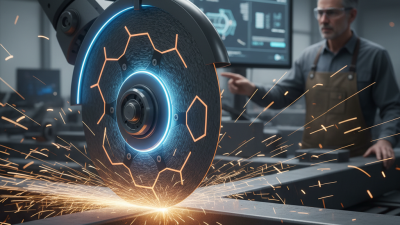
How to Choose the Right Steel Cutting Disc for Your Project?
Choosing the right Steel Cutting Disc is crucial for achieving optimal results in metalworking projects. According to a report by Research and Markets, the global demand for cutting tools is projected to reach $6.1 billion by 2026. This growth underscores the importance of selecting the appropriate disc to ensure efficiency and safety. A well-chosen disc not only enhances cutting performance but also improves the longevity of tools and materials.
When considering a Steel Cutting Disc, factors such as material compatibility, thickness, and grain type are vital. For example, aluminum oxide discs are ideal for carbon steel, while zirconia discs are preferred for stainless steel. In particular, the right choice can lead to reduced production time and increased precision. However, many users overlook the significance of matching the disc to the specific requirements of their project.
It's also important to be aware of potential pitfalls. Using an incompatible disc can lead to poor performance and possible injury. The industry lacks sufficient training resources, leaving many unsure about proper selection techniques. A reliable Steel Cutting Disc not only ensures safety but also maximizes productivity, making informed choices essential for both professionals and hobbyists alike.
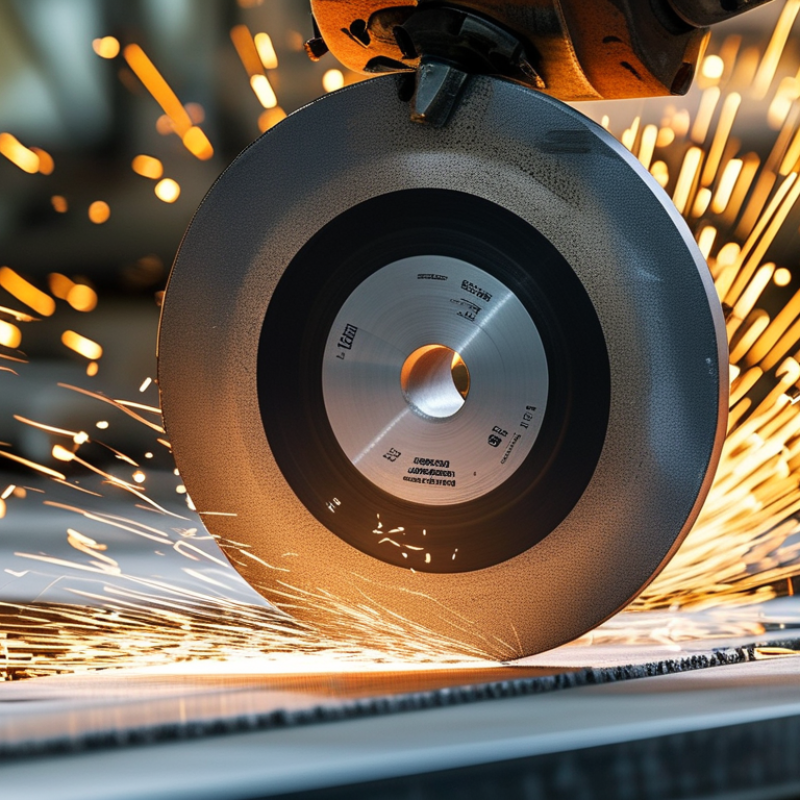
Understanding the Different Types of Steel Cutting Discs Available
When it comes to steel cutting discs, understanding the different types is crucial for any project. There are mainly two categories: abrasive and diamond cutting discs.
Abrasive discs are cheaper and great for general purpose cutting. They’re perfect for softer steels and thin materials. However, they can wear out quickly, requiring frequent changes.
On the other hand, diamond cutting discs are more durable and efficient for tougher steels. They offer cleaner cuts and last longer. Yet, they come with a higher price tag. It’s vital to consider the project’s requirements.
What type of steel are you cutting? How thick is the material? These details influence the choice significantly.
Some users may overlook the importance of proper RPM settings for their tools. Using the wrong speed can lead to disc damage or unsafe conditions. Ensure your tool matches the disc specifications.
It’s a common mistake that can impact your project’s success.
Avoid rushing the selection process; take time to weigh your options carefully.
Key Factors to Consider When Choosing a Steel Cutting Disc
Choosing the right steel cutting disc involves multiple factors that can greatly affect your project's outcome. The material type is crucial. Different steels have varying hardness and strength levels. Soft steel requires a different disc compared to hard or stainless steel. Knowing the specifics of your material helps narrow down your options effectively.
Disc diameter and thickness also play critical roles. Larger discs cut faster, but they may not fit in tight spaces. Thinner discs provide smoother cuts and less material loss. However, they might not be durable under heavy use. Weighting the benefits against potential downsides is essential.
Finally, consider the type of cutting tool you will use. Some tools require specific discs for optimal performance. Not all discs are compatible with every grinder, leading to safety issues. It's essential to match your disc to your tool for the best results. Making informed decisions can enhance efficiency, but few users research enough before purchasing. This lack of knowledge can lead to subpar project outcomes.
Matching the Steel Cutting Disc to Your Specific Project Needs
Choosing the right steel cutting disc is crucial for any project. The disc must match the specific material and task requirements. For example, when cutting stainless steel, a tougher disc with a high-performance bond is necessary. Industry reports indicate that high-speed steel and other harder alloys require discs with advanced technology, such as ceramic or diamond abrasives.
Consider the thickness of the material. Thicker materials demand discs that can withstand more stress. A thinner cutting disc might overheat or wear down quickly. According to data from recent manufacturing surveys, using the right disc can improve efficiency by up to 30%. This not only saves time but also minimizes the need for frequent replacements.
Project conditions also play a significant role. Environmental factors such as dust and moisture can affect the disc's performance. For example, work in a dry environment may allow for more versatile discs. However, in damp conditions, moisture-resistant options perform better. Assessing these conditions beforehand can prevent inefficient choices and costly mistakes. A thoughtful approach to selecting the right disc can greatly influence a project’s overall success.
Safety Measures and Best Practices for Using Steel Cutting Discs
Using steel cutting discs involves certain safety measures. Wearing appropriate protective gear is essential. This includes safety goggles, gloves, and ear protection. These items shield you from sparks and debris. A proper workspace setup also matters. Ensure your area is clean and well-lit to avoid accidents.
When cutting, maintain a firm grip on the tool. This helps in better control and reduces the risk of slipping. Always cut with the disc at the recommended angle. If the disc begins to wobble, stop and check for damage. Sometimes, the issue isn't obvious until you're cutting. Regular inspections can prevent these issues.
Don’t rush the process. Speed often leads to mistakes. It's alright to take short breaks to refocus. Reflecting on your technique can enhance your safety. Always consider the potential risks involved. Awareness is key in any project involving sharp tools.
Maintaining and Storing Steel Cutting Discs for Longevity
Maintaining and storing steel cutting discs properly is crucial for their longevity and performance. A well-maintained disc can last up to 50% longer than one that is neglected. After each use, clean the disc to remove debris and dust. This prevents buildup that can lead to rust or corrosion. Store discs in a dry, cool place, away from direct sunlight. Excessive heat can weaken the disc material.
It's vital to regularly inspect your cutting discs for signs of wear or damage. A cracked disc can break during use, posing a safety hazard. If you notice any imperfections, it’s best to replace the disc immediately. Remember, safety should always be a priority over cost-saving.
**Tip:** Use a dedicated storage box to protect your discs. This avoids accidental damage and helps you organize your tools.
Humidity can also affect the lifespan of cutting discs. Consider using silica gel packs in your storage area to absorb moisture. Regular maintenance can save you money and ensure efficient cutting during projects. Keeping track of usage and condition can help in planning replacements effectively.