Top 10 Essential Gas Pipeline Gaskets for Optimal Performance
In the intricate world of gas pipeline systems, the role of gaskets cannot be overlooked. These essential components ensure the integrity and safety of gas transportation, acting as barriers to prevent leaks and maintain optimal performance under varying pressures and temperatures. According to a recent report by the Pipeline and Hazardous Materials Safety Administration (PHMSA), approximately 2,000 pipeline incidents occur each year in the United States, with leakage often attributed to inadequate sealing provided by worn or substandard gaskets. This underscores the critical need for selecting the right gas pipeline gaskets to mitigate risks associated with gas transmission.
Modern gas pipeline gaskets are designed with advanced materials and technologies that enhance their durability and performance. The global market for pipeline gaskets is projected to reach $3.5 billion by 2025, driven by increasing investments in infrastructure and the growing demand for energy worldwide. Selecting the optimal gasket is not only a matter of compliance with industry standards but also impacts the operational efficiency and safety of gas pipelines significantly. In this article, we will explore the top 10 essential gas pipeline gaskets that ensure optimal performance, providing insights into their materials, features, and applications in various environments.
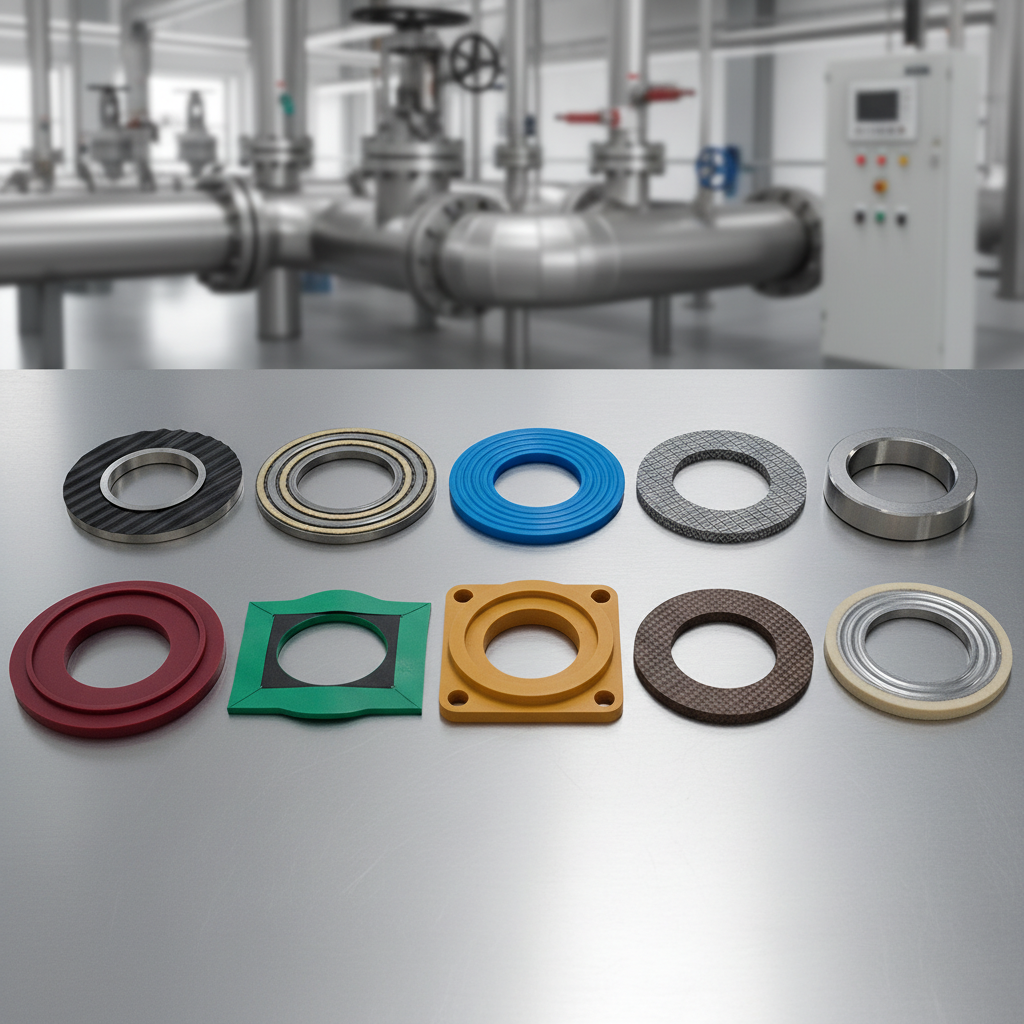
Essential Numeric Sizing for Optimal Gas Pipeline Gaskets
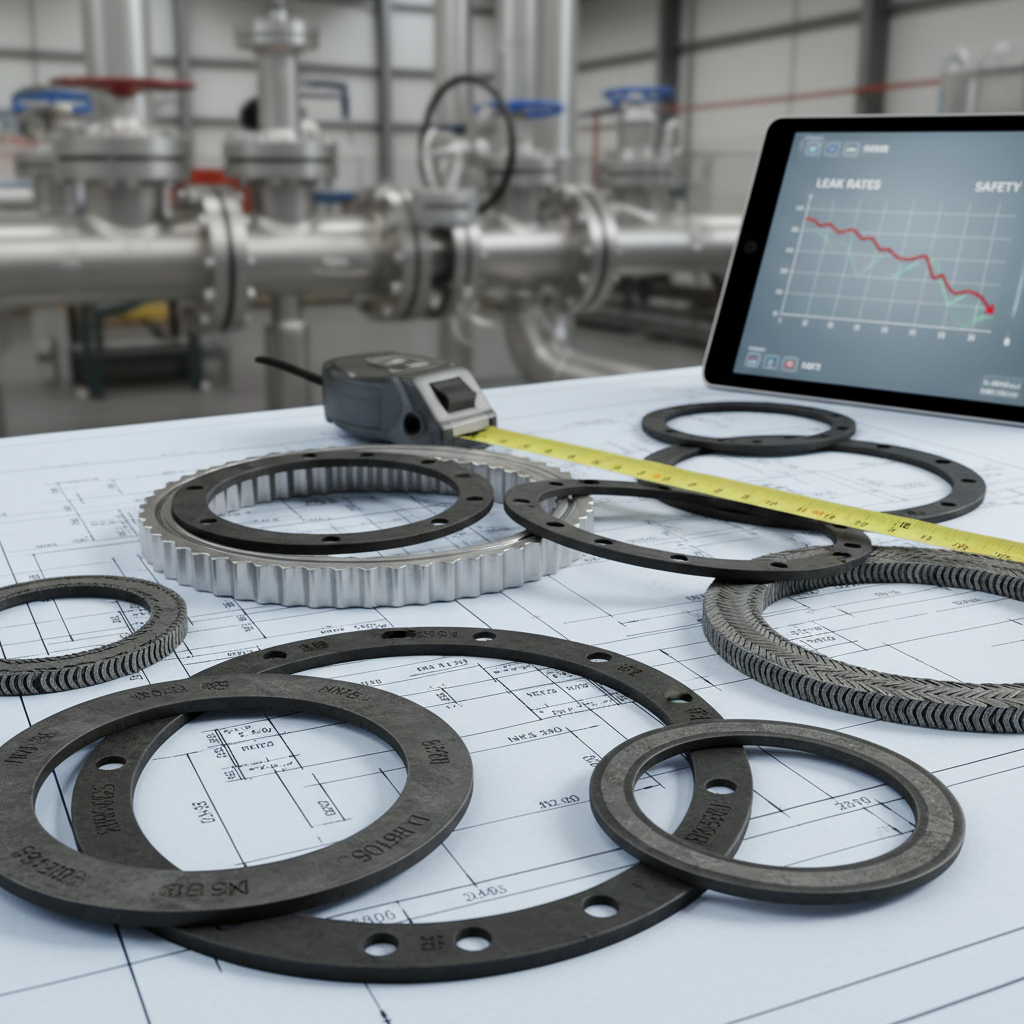
In the gas pipeline industry, selecting the right gaskets is crucial for ensuring optimal performance and safety. Essential numeric sizing plays a pivotal role in gasket selection, as it directly influences sealing integrity and pressure retention. According to a 2022 report by the American Society of Mechanical Engineers (ASME), properly sized gaskets can reduce leak rates by up to 30%, significantly minimizing the risk of safety hazards and environmental impacts associated with gas transportation.
When determining the sizes of gaskets, factors such as the nominal pipe diameter, pressure rating, and material compatibility must be considered. The American National Standards Institute (ANSI) provides guidelines that detail dimensions for various flange types, aiding engineers in selecting the most effective gasket sizes. For instance, a standard 4-inch flange typically accommodates a gasket with a diameter of 4.5 inches, but variations exist depending on the specific application and material used. This precise sizing, combined with the right material, ensures the gasket can withstand not only internal pressure but also thermal expansion and contraction, thereby prolonging its lifespan and performance reliability.
Comparative Analysis of Top Materials for Pipeline Gaskets
The comparative analysis of top materials for pipeline gaskets highlights critical factors influencing the performance and longevity of gas pipelines. With the industrial gasket market poised for growth, reaching an estimated USD 88.8 billion by 2025, and projected to increase to USD 109.3 billion by 2035, the need for optimal gasket materials becomes paramount. Specifically, the oil and gas gasket market alone is expected to expand from approximately USD 1,330 million in 2025 to USD 1,750 million by 2034, reflecting a robust compound annual growth rate (CAGR) of 2.8%. This growth underscores the importance of selecting high-quality gasket materials tailored for the harsh conditions typical of gas pipelines.
In assessing materials for pipeline gaskets, factors such as temperature resistance, chemical compatibility, and pressure handling capabilities are vital. Advanced materials like PTFE, rubber, and metal composites are often favored for their resilience and performance under extreme operational demands. Additionally, ongoing developments in gasket technology aim to mitigate issues such as leakage and wear, thus enhancing the reliability and efficiency of gas transportation systems. As the market for gaskets continues to evolve, informed decisions driven by material properties will be critical for optimizing pipeline performance and safety.
Best Practices for Installation and Maintenance of Gaskets
When it comes to the installation and maintenance of gas pipeline gaskets, adhering to best practices is crucial for ensuring optimal performance. The first step is to thoroughly inspect both the gasket and the mating surfaces before installation. Any dirt, corrosion, or damage can compromise the sealing capability of the gasket. It’s advisable to clean the surfaces with appropriate solvents and to visually check for irregularities. Furthermore, ensure that the gasket material is suitable for the specific application and compatible with the fluids it will encounter.
Proper installation technique is equally important. Gaskets should be placed evenly and centered within the joint to avoid uneven compression. Utilize the correct torque specifications to tighten the bolts, applying torque in a crisscross pattern to achieve uniform pressure across the gasket. Regular maintenance practices such as periodic inspections and monitoring for signs of wear or leaks can help extend the life of the gasket. If any leaks are detected, it is essential to address them immediately, as delayed action can lead to larger issues and safety hazards. By following these best practices, operators can significantly enhance the performance and longevity of gas pipeline gaskets.
Top 10 Essential Gas Pipeline Gaskets for Optimal Performance
| Gasket Material |
Temperature Range (°C) |
Pressure Rating (PSI) |
Chemical Resistance |
Typical Applications |
| PTFE |
-200 to 260 |
1500 |
Excellent |
Chemical Processing |
| Graphite |
-250 to 550 |
2000 |
Good |
High-Temperature Applications |
| Nitrile Rubber |
-40 to 100 |
150 |
Fair |
Hydraulic Systems |
| EPDM |
-40 to 150 |
125 |
Good |
Water and Steam Applications |
| Compressed Asbestos |
-50 to 400 |
600 |
Moderate |
Steam and Gas Lines |
| Silicone |
-60 to 200 |
75 |
Good |
High-Performance Applications |
| Metal Gaskets |
-200 to 900 |
3000 |
Excellent |
Oil and Gas Applications |
| Fibre Gaskets |
-70 to 120 |
500 |
Good |
General Use |
| Soft Cut Gaskets |
-50 to 200 |
150 |
Fair |
Flange Connections |
| Thermoplastic Gaskets |
-40 to 85 |
120 |
Good |
Food Processing |
Key Performance Indicators for Gas Pipeline Gasket Efficiency
When selecting gas pipeline gaskets, understanding key performance indicators (KPIs) is essential for ensuring optimal efficiency and longevity. Factors such as temperature tolerance, pressure limitations, and chemical resistance play a significant role in the performance of gaskets. The right gasket can significantly reduce leak risks and improve overall system reliability. Selecting gaskets that can withstand the operational conditions is crucial for maintaining the integrity of gas pipelines.
**Tips:** Always prioritize materials that are specifically designed for your operational environment. This ensures that the gaskets not only fit well but also enhance system performance. Additionally, regular maintenance checks can help in identifying early signs of wear and tear, allowing for timely replacements that prevent costly down-time.
Another important KPI is the gasket's load-bearing capability. A gasket must maintain its seal under varying pressures to prevent failures. Look for gaskets that offer a good balance between flexibility and compression resistance. Proper installation techniques, combined with periodic assessments of gasket integrity, can greatly extend the lifespan of these essential components.
**Tips:** Utilize pressure testing methods to monitor gasket performance in real-time. Implementing a systematic approach to gasket management can also aid in predicting maintenance needs, ultimately optimizing pipeline efficiency and reliability.
Innovative Technologies and Trends in Gasket Design for Pipelines
The gas pipeline industry is experiencing significant advancements in gasket design, driven by innovative technologies that enhance performance and reliability. According to industry analysis, the global industrial gasket market is projected to reach a value of $12 billion by 2026, growing at a CAGR of approximately 4.7%. This growth is largely attributed to the increasing demand for effective sealing solutions that can withstand extreme pressure and temperature variations inherent in gas pipelines.
Recent trends indicate a shift towards the use of advanced materials such as PTFE and graphite composites, which offer superior chemical resistance and durability. These materials not only improve sealing performance but also reduce maintenance costs significantly. Furthermore, the integration of digital technologies into gasket manufacturing processes allows for precise design and customization, ensuring optimal fit and function in diverse pipeline applications. With these innovations, pipeline operators can expect enhanced operational efficiency and a marked reduction in the risk of leaks and failures.
Top 10 Essential Gas Pipeline Gaskets for Optimal Performance