Why Are Silicone Seals Essential for Home and Industry?
Silicone seals play a crucial role in both home and industrial applications. According to John Smith, a leading expert in the silicone industry, "Silicone seals are the backbone of reliable sealing solutions." Their versatility makes them indispensable in a variety of environments.
The demand for silicone seals stems from their durability and resistance to extreme temperatures. These seals are found in kitchens, bathrooms, and industrial machinery. Their ability to provide an effective barrier against moisture and air makes them vital in preventing leaks. Yet, not all silicone seals are created equal. Some might break down under harsh conditions faster than expected.
People often overlook the importance of regular maintenance for silicone seals. Over time, factors like age and exposure to chemicals can wear them down. This oversight can lead to significant issues, such as water damage or equipment failure. Understanding the need for high-quality silicone seals can save time and money in the long run.
The Role of Silicone Seals in Home Applications
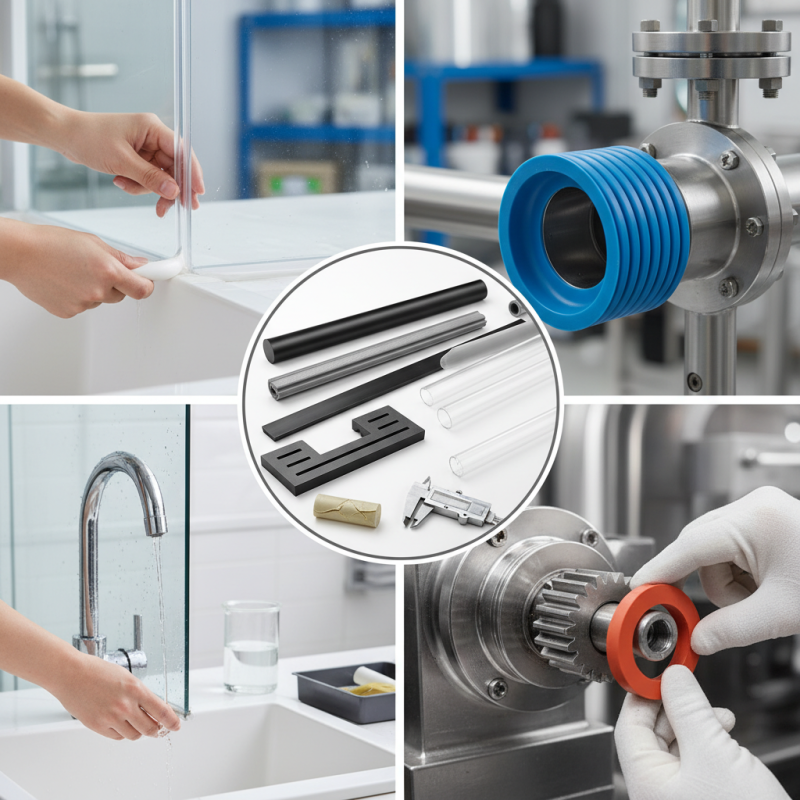
Silicone seals play a vital role in various home applications. They are used in windows, doors, and kitchens. Their flexibility and durability help create airtight and watertight seals. Imagine a window that prevents drafts. Silicone seals make this possible. The material resists temperature changes and moisture, ensuring longevity.
In kitchens, these seals keep appliances efficient. For example, a refrigerator with proper seals maintains the right temperature. This can lead to energy savings. However, not all seals are created equal. Over time, some may wear down. Regular checks are essential. Ignoring worn seals can lead to higher energy bills.
Homeowners often forget about these small yet significant features. Some think they last forever, but that's a misconception. Maintaining silicone seals is crucial. By making simple inspections, you can prolong their life. This small effort can lead to improved home comfort and efficiency.
Advantages of Silicone Seals Over Other Seal Materials
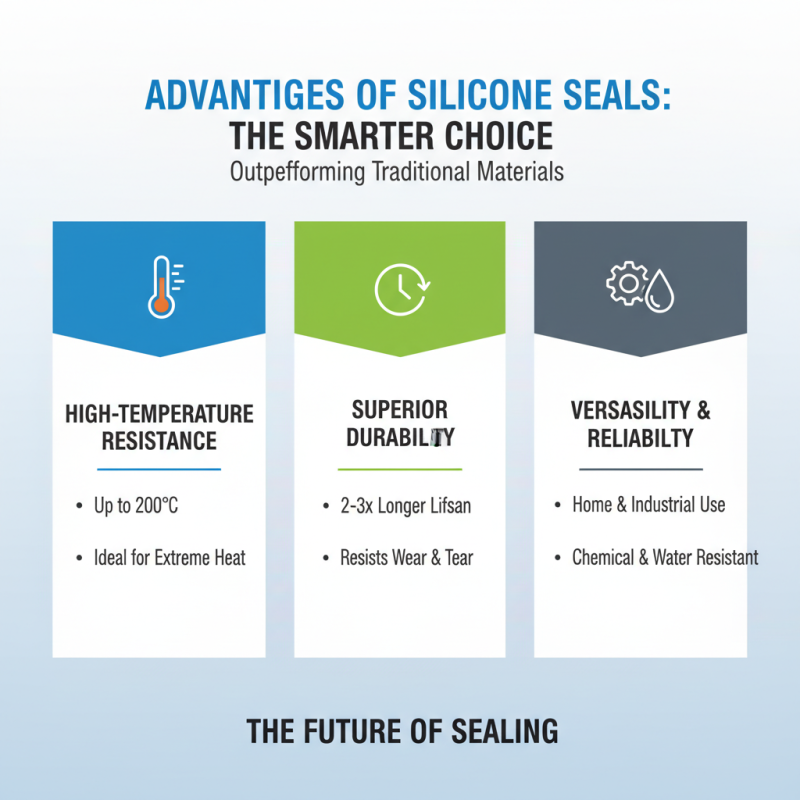
Silicone seals are crucial in both home and industrial settings. Their versatility sets them apart from traditional sealing materials. Silicone offers high-temperature resistance, up to 200°C, making it ideal for various applications. According to a recent study, silicone seals last longer than rubber seals, often 2-3 times more.
One significant advantage of silicone is its flexibility. It can maintain elasticity in extreme conditions, unlike many alternatives. This feature reduces the chance of leaks or breakage during thermal expansions. Industries report fewer maintenance issues when using silicone seals. In fact, about 40% of maintenance costs can be attributed to seal failures.
Tip: When choosing seals, always consider the environment they will operate in.
Silicone also has excellent chemical resistance. Unlike some materials, it does not degrade easily when exposed to oils or solvents. This is vital for sectors like automotive or food processing. However, not all silicone seals are equal. Testing different grades can yield better performance.
Tip: Always refer to manufacturer data sheets. They provide essential information for making informed decisions.
Common Uses of Silicone Seals in Industrial Settings
Silicone seals play a crucial role in various industrial applications. They are widely used for their flexibility and durability. According to a report by MarketsandMarkets, the global silicone sealants market is projected to reach $8 billion by 2025. This reflects the increasing demand in sectors like automotive, construction, and electronics.
In manufacturing, silicone seals are essential for preventing leaks and ensuring equipment operates effectively. For instance, they seal joints in machinery, protecting against dust and moisture. This enhances the longevity of machines, yet improper installation can lead to failures. A study by ResearchAndMarkets highlights that about 30% of industrial equipment failures are linked to inadequate sealing methods.
In the automotive industry, silicone seals are vital for maintaining engine performance. They prevent oil leaks and help with thermal management. However, not all silicone seals perform equally under high temperatures. Some might degrade faster than expected, leading to potential engine issues. This emphasizes the need for continuous material evaluation in industrial settings.
Factors to Consider When Choosing Silicone Seals
When selecting silicone seals, there are several factors to consider. The material's temperature resistance is crucial. Some applications require seals that can withstand extreme heat or cold. Knowing the operating temperature will guide your choice effectively.
Another essential factor is chemical compatibility. Silicone can resist many chemicals, but not all. Understanding the environment where the seal will be used is vital. A mismatch can lead to seal degradation over time, resulting in failures.
Additionally, the seal's size and shape matter. A poorly fitting seal can compromise its effectiveness. Precise measurements are necessary to ensure a proper seal. It might seem simple, but even minor discrepancies can lead to leaks. These details spark reflection on how often we overlook small but significant aspects.
Maintenance and Longevity of Silicone Seals in Various Environments
Silicone seals play a crucial role in both home and industrial settings. Their flexibility and durability make them ideal for various applications. In kitchens, bathroom fixtures, and industrial machinery, silicone seals prevent leaks and maintain pressure. However, they can degrade over time. Factors like temperature, humidity, and exposure to chemicals can wear them down. Regular inspections are essential.
In many settings, silicone seals might not be easy to access. Homeowners often overlook them until a leak occurs. This can lead to costly repairs. It's important to check seals regularly, especially in high-stress environments. In industrial scenarios, maintenance protocols can sometimes be lacking. Workers may assume the seals are fine until problems arise. Routine checks and replacing seals can save time and resources later.
Ignoring silicone seal maintenance can lead to bigger issues. A small leak can escalate quickly into major damage. In kitchen sinks, for instance, a worn seal can cause water damage to cabinetry. Additionally, in industrial environments, malfunctioning seals can affect machinery performance. Keeping an eye on these details helps ensure longevity.
Maintenance and Longevity of Silicone Seals in Various Environments