10 Essential Tips for Choosing the Right Stainless Steel Gasket
When it comes to choosing the right Stainless Steel Gasket, the decision can often feel overwhelming. Expert John Smith, a leading authority in gasket technology, once stated, “The right gasket is crucial for achieving both efficiency and safety.” His insight reminds us of the importance of selecting the best material for specific applications.
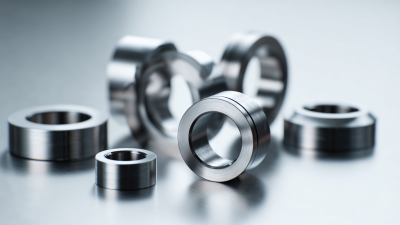
Stainless steel gaskets are favored for their durability and resistance to corrosion. They perform well in high-pressure environments. However, not every stainless steel gasket is suitable for every application. Each project may require different specifications, such as thickness or material grade. The details matter, and overlooking them can lead to serious issues.
Choosing the right gasket often involves trial and error. Many still face challenges in understanding the nuances of materials. The subtle differences between various grades of stainless steel can be hard to grasp. Hence, experts encourage careful consideration of the significant factors that influence performance and reliability.

Understanding Stainless Steel Gaskets: Types and Applications
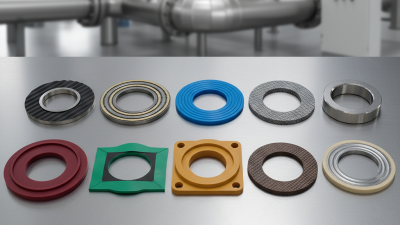
Stainless steel gaskets are crucial in various industries. They are favored for their durability and resistance to corrosion. Common types include spiral wound, ring joint, and compressed fiber gaskets. According to a recent report by Market Research Future, the global gasket market is expected to grow at a CAGR of 4.5% from 2022 to 2027. This suggests a rising demand for stainless steel gaskets across multiple sectors.
Different stainless steel grades cater to specific applications. For example, 304 stainless steel is prevalent due to its general-purpose application. In contrast, 316 stainless steel offers better corrosion resistance in marine environments. Choosing the right type is critical; using an unsuitable gasket may lead to leaks or equipment failure. Notably, about 70% of gasket failures result from improper selection or installation, underscoring the importance of these choices in operational integrity.
While stainless steel gaskets are robust, they are not infallible. Improper torque settings can cause premature wear. Moreover, some environments may require custom solutions. A one-size-fits-all approach often fails. Thus, evaluating the specific needs of a project is vital for effectiveness. Ignoring these parameters can lead to costly downtimes and repairs.
10 Essential Tips for Choosing the Right Stainless Steel Gasket
| Tip |
Description |
Applications |
Material Type |
| 1. Define the Application |
Understand where the gasket will be used, including temperature and pressure requirements. |
Piping, valves, pumps |
304, 316 stainless steel |
| 2. Choose the Right Thickness |
Consider the compression ability of the gasket material based on the flange design. |
Flanged joints |
Soft vs hard gaskets |
| 3. Evaluate Chemical Compatibility |
Ensure gasket materials are compatible with the media being sealed. |
Chemical processing |
PTFE, graphite |
| 4. Consider Temperature Tolerance |
Select gaskets that can withstand the operational temperature limits. |
High-temperature applications |
High-temp alloys |
| 5. Assess Pressure Ratings |
Match gasket pressure ratings with system pressure to prevent failures. |
Pressure vessels |
Spiral wound, metal core |
| 6. Check for Standards Compliance |
Ensure gaskets meet industry standards and regulations. |
Pharmaceutical, food industry |
FDA approved materials |
| 7. Review Installation Procedures |
Follow the recommended installation techniques to avoid damage. |
Maintenance operations |
N/A |
| 8. Consult with Experts |
Seek advice from manufacturers or professionals for critical applications. |
High-stakes environments |
N/A |
| 9. Plan for Future Maintenance |
Consider how often gaskets will need to be replaced in your setup. |
Routine inspections |
N/A |
| 10. Compare Costs and Quality |
Balance budget constraints with the need for durable, quality materials. |
Project budgeting |
Various grades |
Key Factors in Selecting Stainless Steel Gaskets for Your Needs
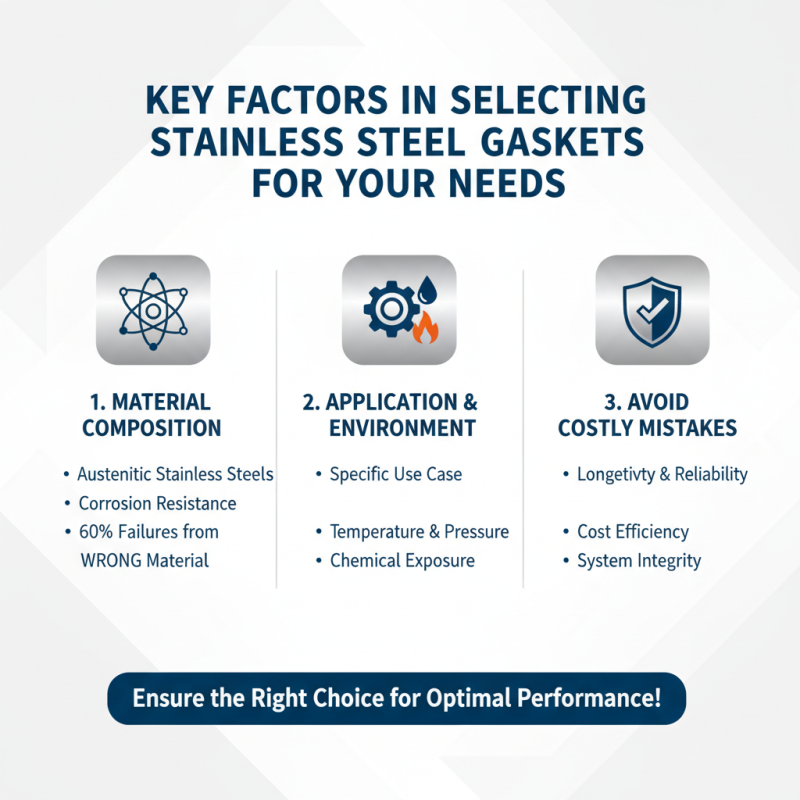
When selecting stainless steel gaskets, several key factors must be considered. Material composition is vital; austenitic stainless steels, for instance, offer excellent corrosion resistance. Reports indicate that 60% of gasket failures occur due to inadequate material selection. Understanding the specific application and environmental conditions is crucial to avoid costly mistakes.
Another important aspect is the gasket's thickness and design. The correct thickness ensures a proper seal under operational pressure. Research shows that improper thickness can lead to leaks, with approximately 30% of industrial leaks linked to gasket issues. Furthermore, the surface finish of the mating flanges plays a significant role in gasket performance. Smooth surfaces typically enhance sealing ability, yet many overlook this aspect, leading to subpar outcomes.
Lastly, factors such as temperature range and chemical exposure should never be ignored. Temperature variations can compromise gasket integrity, while chemical incompatibility result in rapid degradation. Industry data reveals that 25% of gasket-related failures stem from ignoring compatibility with the media they are sealing. Prioritizing these elements will significantly improve gasket performance and reliability in various applications.
Material Compatibility: Ensuring Chemical Resistance in Gasket Choices
Choosing the right stainless steel gasket involves understanding material compatibility. One crucial aspect is chemical resistance. If the gasket does not resist the chemicals in your environment, it will fail. Always analyze the chemicals the gasket will encounter. This ensures longevity and functionality.
Tips for ensuring compatibility: Check the chemical composition of both the stainless steel and the fluid. A mismatched combination can lead to corrosion or degradation. Some chemicals may react unexpectedly, even with stainless steel. It’s essential to get detailed data sheets. They can help guide your decision-making process.
Consider the operating conditions too. Temperature and pressure can change how materials behave. High temperatures can accelerate chemical reactions, leading to quicker gasket failures. Test results should be prioritized over general assumptions. This can save time and resources in the long run. Always consult with materials engineers when in doubt. Understand that not all stainless steel gaskets can handle all environments.
Sizing and Thickness Considerations for Optimal Gasket Performance
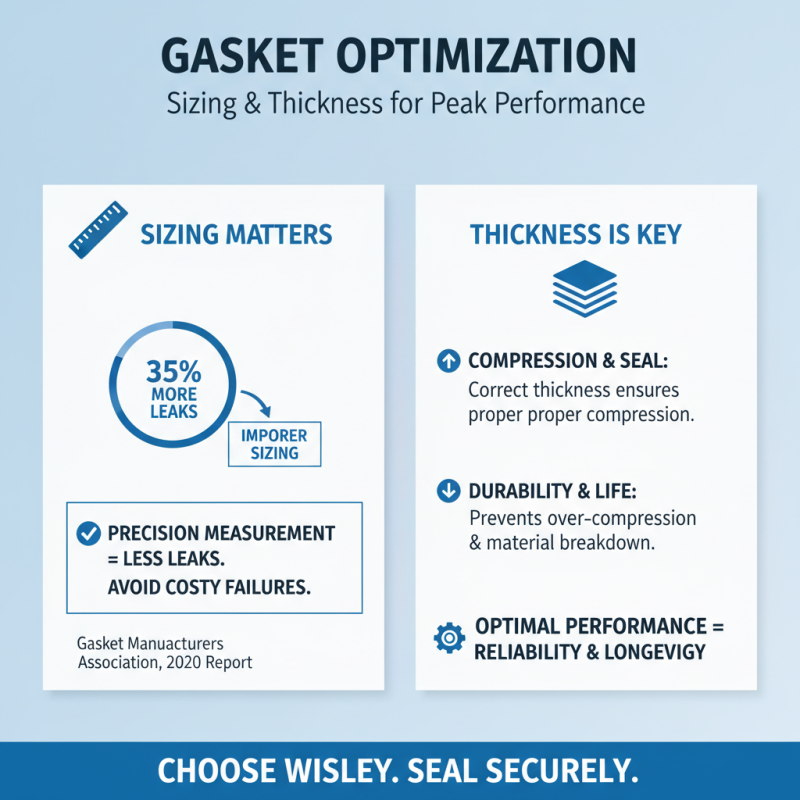
Choosing the right gasket involves careful attention to sizing and thickness. Optimal gasket performance hinges on these factors. A 2020 report from the Gasket Manufacturers Association states that improper sizing can lead to 35% more leaks in industrial applications. This statistic underscores the necessity of precision in measurement.
When determining size, consider both the inner and outer diameters. The gasket must fit snugly within the flange to prevent movement and maintain integrity. Thickness also plays a critical role. For example, a thicker gasket may better absorb pressure fluctuations. However, it can complicate installation. A guideline suggests that the gasket thickness should not exceed 1/8 inch in many cases, balancing flexibility and sealing performance.
Evaluate the specific application when selecting a gasket. Factors like temperature and pressure can drastically affect performance. Misjudging these aspects may result in equipment failure or safety hazards. A study highlighted that 60% of gasket failures stem from incorrect sizing and thickness. Gaskets are sometimes overlooked, but their role in preventing leaks is vital. Recognizing these nuances can lead to better choices and improved reliability in operations.
Installation and Maintenance Tips for Long-Lasting Gasket Durability
When it comes to the installation of stainless steel gaskets, correct placement is critical. Ensure the surface is clean and free of debris. Dust and grime can lead to leaks. Use a suitable tool to apply even pressure. This helps the gasket to seal effectively. If the gasket isn’t seated properly, it might fail sooner than expected. Check the manufacturer’s installation guidelines, but don't solely rely on them. Real-world conditions may vary.
Maintenance plays a vital role in gasket longevity. Regular inspections can prevent catastrophic failures. Look for signs of wear and tear. If you notice any distortion or leaks, replace the gasket immediately. Simple routine checks can save time and costs later. Don’t forget to store gaskets properly as well. High humidity or extreme temperatures can affect their performance. If you are unsure about the environment, consult an expert. Regular upkeep ensures that your gaskets perform well over time. Remember, prevention is key.
Gasket Material Strength Comparison