In the competitive landscape of automotive manufacturing, sourcing high-quality Automotive Metal Stamping Parts is crucial. Experts in the field emphasize the significance of precision and reliability. John Smith, a noted specialist in automotive components, once stated, “Quality in metal stamping defines the performance of the entire vehicle.” His insights highlight the importance of careful selection processes.
Automotive Metal Stamping Parts are integral to vehicle production. They must meet strict standards for durability and safety. Manufacturers face challenges in sourcing these parts. Issues such as inconsistent quality or delayed deliveries can disrupt the entire process. It is essential to establish strong relationships with trusted suppliers.
Assessing the reputation of suppliers can be tricky. Many claim expertise but lack real-world reliability. Engaging with industry networks can provide valuable recommendations. Also, conducting thorough audits can reveal the truth behind supplier capabilities. Effective sourcing strategies can lead to improved performance in automotive production. Adapting to industry changes is necessary for sustained success.

Automotive metal stamping is a vital process in manufacturing. It shapes metal sheets into parts for vehicles. Understanding the stamping process requires familiarity with several techniques. Progressive die stamping is one of the most used methods. This technique allows for high-volume production and precision, making it a favorite among manufacturers.
Another key technique is deep drawing. This method involves pulling metal sheets into a die to create new shapes. It’s useful for creating complex components, like automotive panels. However, the process requires skilled technicians to avoid faults. Even experienced teams can face challenges, such as uneven material flow. Addressing these issues requires constant evaluation and adjustments.
Die maintenance plays a crucial role in the stamping process. Worn-out dies can produce defective parts. Regular inspection and repair can mitigate these risks and enhance productivity. Investing in technology, like automated monitoring systems, proves beneficial. However, the cost can be daunting for smaller operations, leading to reflection on balancing quality with financial constraints. This ongoing struggle shapes the landscape of automotive metal stamping, highlighting the need for expertise and adaptability.
| Tip Number | Tip Description | Benefits | Considerations |
|---|---|---|---|
| 1 | Define specifications clearly | Ensures part meets quality standards | Consider tolerance levels |
| 2 | Choose the right material | Improves durability and performance | Material availability and cost |
| 3 | Evaluate supplier capabilities | Ensures reliability and consistency | Review past performance and reviews |
| 4 | Request prototypes | Validates design and functionality | Prototype cost and lead time |
| 5 | Consider production methods | Optimizes cost efficiency | Different methods impact quality |
| 6 | Establish clear communication | Reduces misunderstandings | Use multiple communication channels |
| 7 | Analyze total costs | Informs budget planning | Consider hidden costs |
| 8 | Inspect quality assurance processes | Enhances product reliability | Ensure compliance with standards |
| 9 | Check production lead times | Ensures timely delivery | Synchronize with project timelines |
| 10 | Review after-sales support | Gains assistance for any issues | Consider warranty policies |
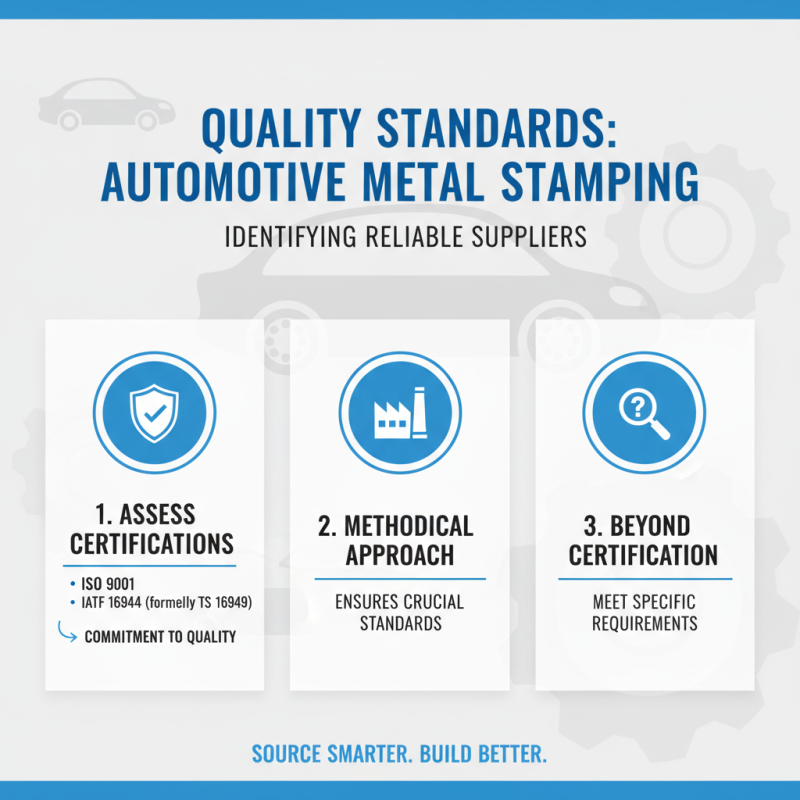
In the automotive industry, ensuring quality standards for metal stamping parts is crucial. Adopting a methodical approach helps in identifying reliable suppliers. Start by assessing their certifications. ISO 9001 and TS 16949 are essential. These certifications indicate a commitment to quality management and industry-specific standards. However, not all certified suppliers meet your specific requirements.
Another important aspect is the dimensional accuracy of the parts. Precision impacts the overall assembly and functionality of the vehicle. Utilize digital calipers or coordinate measuring machines for verification during the sourcing process. Understand the tolerances your project demands. Small deviations can lead to significant operational issues.
Inspecting materials used in stamping parts is equally vital. Different grades of steel, aluminum, or other materials affect durability and weight. Make sure suppliers provide material test reports. This report confirms compliance with mechanical properties. Yet, be cautious. Even with high-quality materials, process flaws can compromise the parts. Regular audits of manufacturing processes can reveal unexpected problems. Quality assurance should be an ongoing effort.
When sourcing automotive metal stamping components, evaluating suppliers should be meticulous. Industry reports show that about 70% of manufacturing quality issues stem from supplier choices. This data highlights the importance of finding reputable partners. Look for suppliers with ISO certifications, which indicate recognized quality management. These certifications often guarantee adherence to industry standards.
Experience plays a crucial role here. Suppliers with over a decade in the industry usually have proven methodologies. Their historical performance can indicate reliability. It’s also wise to check client testimonials for insight into their operations. According to a recent survey, 50% of companies rely on peer reviews for supplier assessment.
However, you might encounter challenges with transparency. Some suppliers may not openly share their entire manufacturing processes. This can lead to uncertainty regarding their capabilities. Asking for detailed production timelines and capacity is essential to gauge their reliability. A well-documented engagement process can mitigate risks significantly. Keep these factors in mind when making your decision, as the right supplier can impact your entire production line's success.
When sourcing automotive metal stamping parts, cost analysis is crucial. Understanding your budget helps in making informed decisions. Consider the entire lifecycle cost of parts, not just the purchase price. Shipping, assembly, and maintenance can significantly add to your expenses.
One key tip is to thoroughly evaluate your suppliers. Always check their certifications and past work. How reliable are their delivery times? A dependable supplier can save you both time and money in the long run. Another essential aspect is to request samples before making large orders. This helps you verify that the parts meet your specifications and quality standards.
Don't forget to explore different materials. Some may offer equivalent performance at a lower cost, improving overall value. Factor in potential future needs during this phase as well. Rigid budgeting can limit flexibility when unexpected changes arise. Adjustments in your budget may sometimes be necessary to accommodate innovations or improvements in part design.
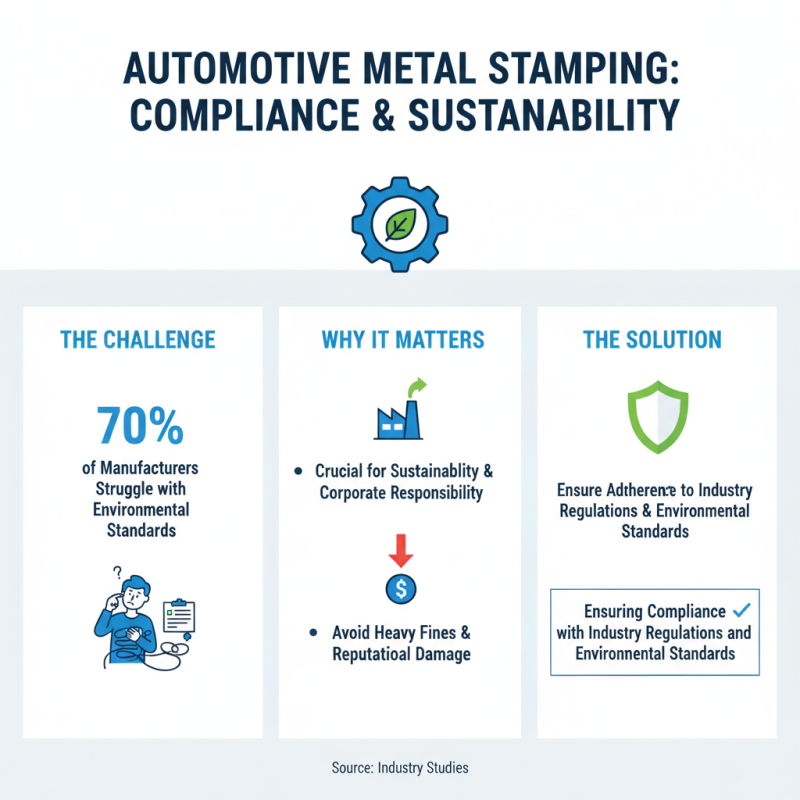
The automotive metal stamping industry faces increasing scrutiny regarding compliance with regulations. Studies indicate that around 70% of manufacturers struggle with understanding complex environmental standards. Adhering to these regulations is crucial for sustainability and corporate responsibility. Failing to comply can result in hefty fines and damage to reputation.
To ensure compliance, companies must integrate eco-friendly practices into their sourcing strategies. For instance, a recent report highlighted that manufacturers utilizing recycled materials improved their compliance rates by 25%. Engaging with trusted suppliers who prioritize sustainability can positively impact overall operations. Yet, the evolving nature of regulations means regularly updating processes is essential. Staying informed and adaptable is key.
Monitoring emissions and waste during production is another vital aspect. Data shows that companies attaining lower emissions enjoy a competitive advantage. However, many organizations often overlook this factor. Developing an effective compliance program requires continuous reflection and improvement. Prioritizing both compliance and quality will propel long-term success in the automotive stamping sector.