2026 How to Choose the Best High Temp Gasket Sealant for Your Needs?
Choosing the right High Temp Gasket Sealant can significantly impact your projects. This decision requires careful consideration of various factors. With many options available, it can be overwhelming to find the perfect one for your needs.
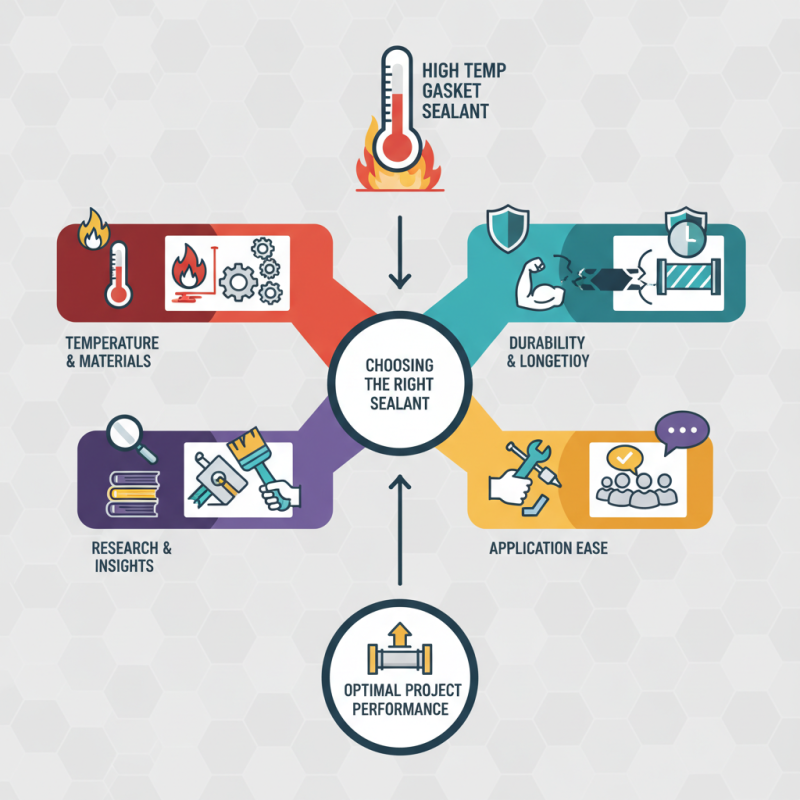
High Temp Gasket Sealant is essential in high-heat environments. It ensures that seals remain intact under extreme conditions. Selecting the best product often means balancing durability and application ease. Some products perform well but come with complicated application processes. Others may be easy to use but lack longevity.
Understanding your specific requirements is crucial. Consider the temperatures and materials involved in your application. Often, what works for one project may not be suitable for another. Gathering insights from experienced users can help guide your choice. Moreover, researching reputable brands boosts your confidence in your selection. Don't underestimate this process; a poor choice may lead to costly repairs and downtime.
Understanding Temperature Ratings: The Science Behind High Temp Sealants
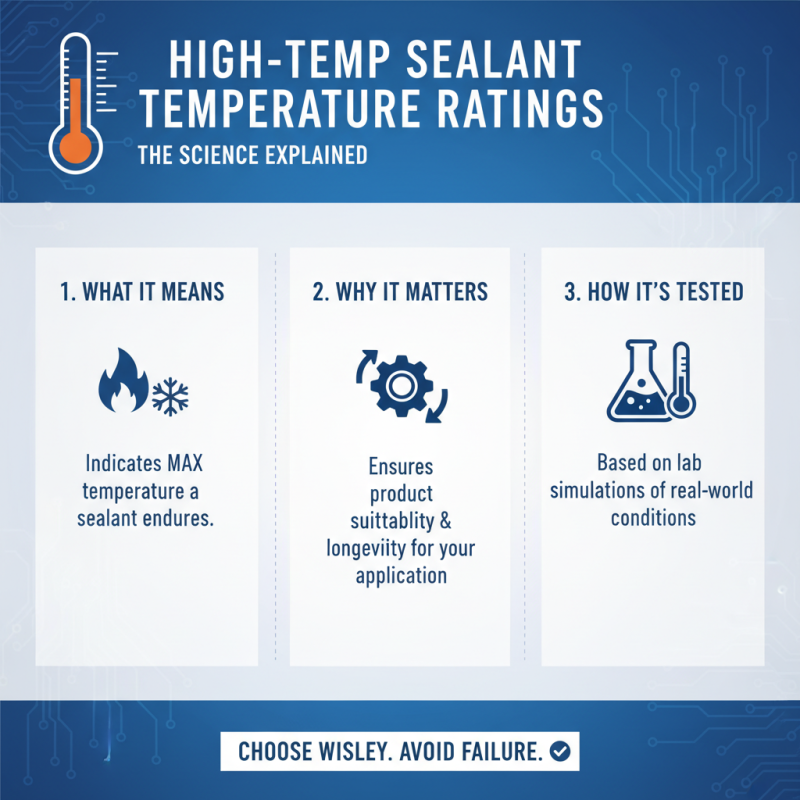
When selecting high temp gasket sealants, understanding temperature ratings is essential. Temperature ratings indicate the maximum temperatures a sealant can withstand. This knowledge guides you in choosing the right product for your application. Many sealants are rated for specific temperature ranges. Often, these ratings are based on laboratory tests that simulate real-world conditions.
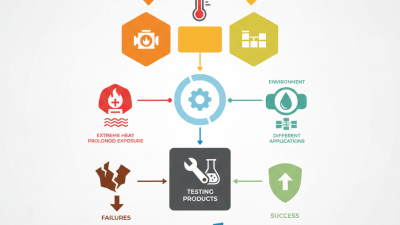
It's important to consider that not all high temp sealants are created equal. Some may perform well in steady heat, while others excel under rapid temperature changes. Users often overlook this detail. Real-world applications can be unpredictable. For example, automotive engines may experience sudden spikes in temperature. Adapting your choice based on actual usage conditions can lead to better performance.
While high temperature ratings matter, they aren't the only factor to consider. Factors like chemical resistance and durability are equally important. It's a common mistake to prioritize only temperature tolerance. Assessing the entire operating environment can be challenging. Avoiding oversights here can save time and resources. Therefore, always reflect on your specific needs before making a decision.
Key Properties of High Temp Gasket Sealants: Material and Performance Standards
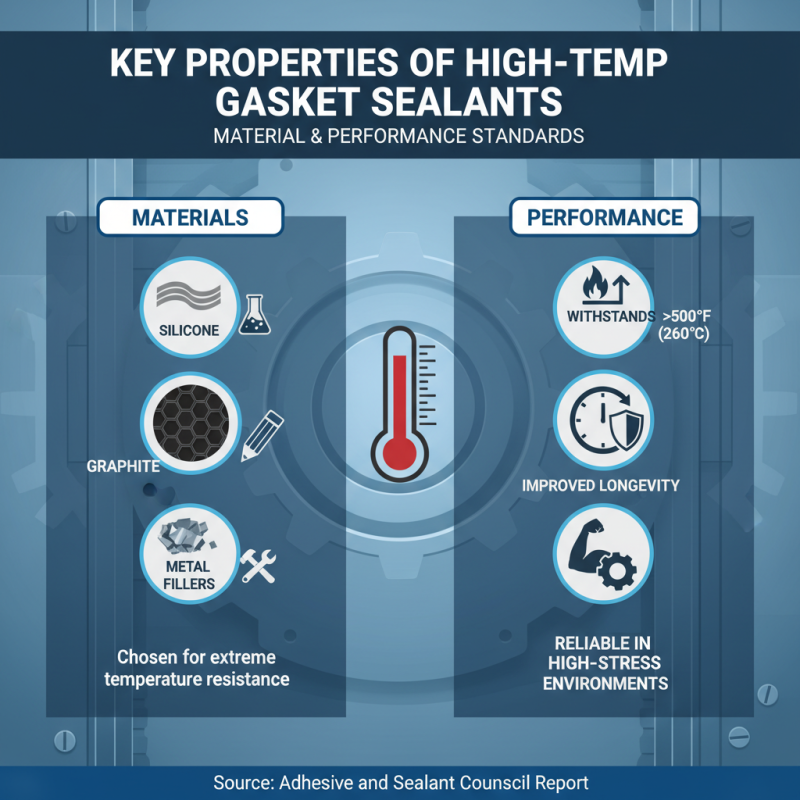
When selecting a high-temperature gasket sealant, understanding its material and performance properties is crucial. High-temp gasket sealants are typically made from silicone, graphite, or metal fillers. These materials are chosen for their ability to withstand extreme temperatures, often exceeding 500°F (260°C). According to a report from the Adhesive and Sealant Council, proper material selection can improve longevity and performance in high-stress environments.
One key performance standard is the sealant's tensile strength and flexibility. High-quality sealants maintain their structural integrity while allowing some movement. Data shows that the best performers have a tensile strength of over 500 psi, ensuring a reliable seal under pressure. Moreover, chemical resistance is another critical factor. Sealants must endure exposure to oils, fuels, and other harsh chemicals, which can degrade weaker compounds.
**Tips:** Always check the temperature range and chemical compatibility of the sealant. Understanding these parameters can save time and money in the long run. Ensure that the application surface is clean for optimal adhesion. Do not skip this step, as surface preparation can affect results significantly. Reflect on the environment in which the sealant will be used; external factors can impact durability over time.
Application Techniques: Ensuring Optimal Bonding for High Temp Environments
When working with high-temperature environments, application techniques are crucial for ensuring a strong bond. Start by thoroughly cleaning surfaces to remove any oil, dirt, or old gasket material. A clean surface promotes better adhesion. Make sure to dry the surfaces completely before applying sealant. This is a common area where mistakes occur; moisture can undermine the effectiveness of the sealant.
Next, consider the thickness of the application. Applying too much can cause the sealant to squeeze out when parts are assembled. On the other hand, applying too little may not provide sufficient coverage. Aim for a uniform, even layer, roughly the thickness recommended by the sealant guidelines. Overlooked details like this can lead to failures in high-stress conditions.
Lastly, allow adequate curing time before subjecting the bond to any stress. Rushing this step can compromise the integrity of the seal. It's always wise to check the manufacturer's instructions for specific cure times. Reflection on each process step contributes to a more reliable seal, enhancing overall performance in high-temperature applications.
Comparison of High Temp Gasket Sealants by Temperature Resistance
This bar chart compares the temperature resistance of various high temp gasket sealants. Sealant A offers resistance up to 500°F, while Sealant E can withstand temperatures up to 800°F, making it crucial to select the right sealant for your specific high temp applications.
Industry Specific Sealant Recommendations: Aerospace, Automotive, and More
When selecting the right high-temperature gasket sealant for specific industries, it's essential to consider unique requirements. For aerospace, reliability and performance are critical. A recent report indicates that high-performance sealants must withstand temperatures exceeding 600°F. Materials like silicone and PTFE are commonly recommended, as they provide excellent thermal stability.
In the automotive sector, sealants must endure harsh environments. Recent studies show that more than 70% of automotive failures link to inadequate sealing. Choosing a sealant that excels in both heat and pressure resistance can reduce maintenance costs. Consider utilizing materials that have proven durability in engine applications to enhance safety and reliability.
Tips: Always test sealants in real-world conditions first. This approach helps in identifying their limitations. Consider combining different sealants for enhanced performance in complex applications. Experiment with various thicknesses for the best fit. This iterative process may yield unexpected benefits. Each industry presents its own challenges. Reflecting on past applications can lead to better future choices.
Evaluating Cost-Effectiveness: Comparing Lifespan and Performance Metrics
When choosing a high temp gasket sealant, understanding cost-effectiveness is crucial. Evaluating lifespan and performance metrics can impact your decisions significantly. A sealant may have a lower upfront cost, but its longevity could offset that initial expense. Analyze performance data for different sealants to ensure you're investing wisely.
Performance metrics include heat resistance, flexibility, and the ability to withstand pressure. A sealant that performs well in extreme conditions often lasts longer. This can save replacement costs over time. However, it’s also essential to consider the specific environmental factors your application involves. A sealant might excel in one area but fail in another. Always assess the unique needs of your project.
Inexperienced users might overlook these details. It can lead to frustration later on. Real-world applications often show varied results. Tests can differ from actual usage due to external variables. It's essential to gather feedback from industry professionals. Their insights can provide a clearer picture of long-term performance. Finding the right balance of cost and durability can be challenging, but it's worth the effort.