Why Are Lip Seal Dimensions Important for Mechanical Applications?
The role of lip seal dimensions in mechanical applications cannot be overstated. These seals are critical for preventing fluid leakage and maintaining efficiency in machinery. When designing a reliable system, accurate lip seal dimensions make all the difference.
Inadequate dimensions can lead to failure, causing excess wear and potentially catastrophic outcomes. For example, if a lip seal is too tight, it may lead to increased friction. A loose seal, on the other hand, risks leakage, which compromises performance. Therefore, understanding the precise requirements is essential.
Engineers must focus on the materials and shapes used. It is a delicate balancing act. Small errors in lip seal dimensions might seem trivial, yet they significantly affect the entire system's integrity. Attention to detail is crucial. Each application presents unique challenges that require thoughtful consideration. Reflecting on the importance of these dimensions can lead to improved designs and increased reliability in mechanical applications.
Understanding Lip Seal Dimensions in Mechanical Design
Understanding lip seal dimensions is crucial in mechanical design. These seals are often used to prevent leakage. Their dimensions directly affect performance and reliability. A seal that is too tight may cause friction. It may even lead to premature failure. On the other hand, a loose seal can lead to leaks. The balance between these factors is delicate.
Selecting the right dimensions requires careful consideration. The diameter of the lip is significant. If it's not suited for the shaft, performance may degrade. Similarly, the thickness impacts its ability to resist wear over time. Engineers often rely on precise measurements but sometimes overlook small details. Small variations can have large effects. Testing different seals under real conditions can be insightful.
In practice, understanding the environment is also key. Temperature and pressure can alter how seals perform. Many engineers find that simulations don’t always match reality. This gap sometimes leads to unexpected results. Taking field data into account could improve future designs. Balancing theoretical knowledge and practical applications is essential for success.
The Role of Lip Seals in Preventing Leakage and Contamination
Lip seals play a critical role in mechanical applications, primarily in preventing leakage and contamination. These seals are designed to protect bearings, gears, and other components from outside elements. According to industry reports, improper sealing can lead to a 40% decrease in machinery efficiency over time. This highlights the importance of ensuring that lip seal dimensions meet specific requirements.
Different applications have various sealing needs. For instance, automotive and industrial machinery often face different levels of pressure and contaminants. A report from the International Sealing Distribution Association states that nearly 80% of equipment failures relate to improper sealing. Ensuring the right dimensions can significantly enhance sealing performance and extend equipment lifespan.
**Tip:** Regularly check lip seals for wear and tear. This can prevent potential leaks that lead to costly repairs.
Choosing the correct lip seal dimensions can also affect energy consumption. Misaligned seals often lead to increased friction, which can cause overheating. Avoid making assumptions about parts compatibility; always refer to the manufacturer's specifications for the best results.
**Tip:** Implement routine inspections on sealing components. This will help catch potential issues early and reduce downtime.
Importance of Lip Seal Dimensions for Mechanical Applications
This chart illustrates the effectiveness of lip seals in preventing leakage across different dimensions, highlighting the importance of selecting the right size for optimal performance in mechanical applications.
Key Factors Influencing Lip Seal Sizing and Performance
When it comes to mechanical applications, lip seal dimensions play a crucial role in ensuring efficiency and longevity. The right sizing directly impacts the seal's ability to prevent leaks and withstand pressure. According to industry reports, improperly sized lip seals can lead to a 40% increase in maintenance costs over time.
Key factors influencing lip seal sizing include fluid properties and operating conditions. The viscosity of the fluid determines the seal's effectiveness. For example, thicker fluids may require a tighter fit to prevent leakage. Additionally, temperature fluctuations can alter the material properties of seals. This change can affect performance and lifespan. Remember, a seal that works well in one application may fail in another if dimensions are not carefully considered.
**Tip:** Regularly assess your machinery’s operating conditions. Ensure that the seals used are suitable for the specific applications.
Wear and tear can lead to dimensional changes in seals over time, making regular inspection necessary. Engaging a technical expert for additional scrutiny can be beneficial. Even minor misalignments in sizing can lead to significant failures.
**Tip:** Create a maintenance schedule that prioritizes the review of seal dimensions. This can prevent costly downtimes and ensure optimal performance.
In conclusion, taking lip seal dimensions seriously can significantly impact overall operational effectiveness. Always base your choices on reliable data and expert advice.
Applications of Lip Seals Across Various Industries
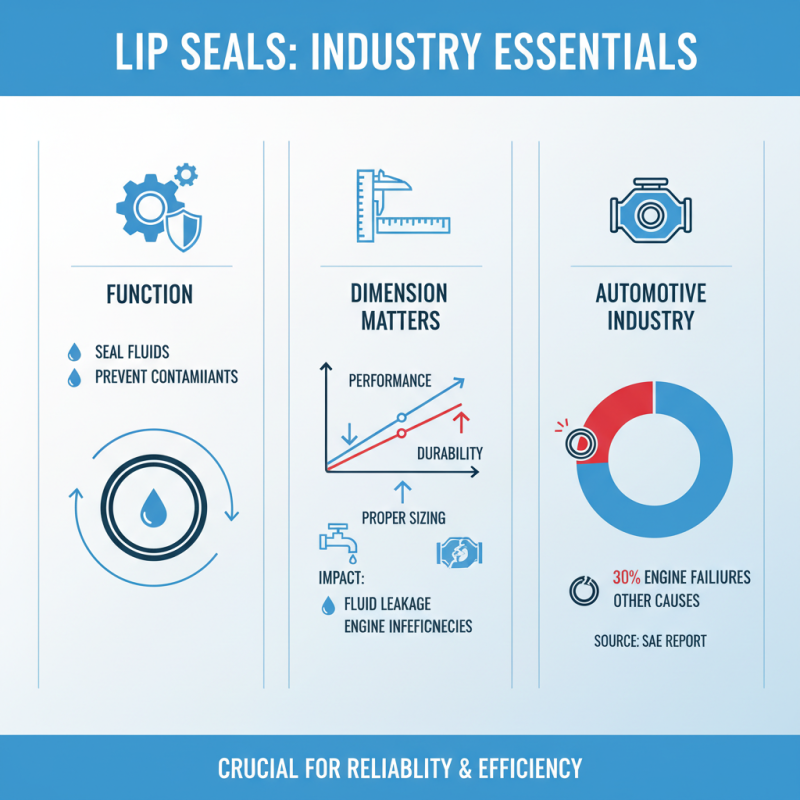
Lip seals are crucial components in various industries, sealing fluids and preventing contaminants. Their dimensions significantly impact performance and durability. In the automotive industry, for example, improper seal sizing can lead to fluid leakage, causing engine inefficiencies. According to a report by the Society of Automotive Engineers, 30% of engine failures are tied to seal failures.
In aerospace applications, precise lip seal dimensions can mean the difference between mission success and failure. These seals are often used in hydraulic systems and landing gear. Research shows that well-implemented seals increase reliability by 25%. However, many engineers overlook the importance of exact measurements, potentially compromising safety.
The manufacturing sector also relies heavily on lip seals. For instance, in high-speed machinery, the right dimensions reduce wear and tear markedly. A survey conducted by the American Society for Quality found that 40% of machinery breakdowns were linked to inadequate sealing solutions. This indicates a need for better education on seal specifications within the industry. Precise lip seal dimensions play a vital role in operational success across all sectors.
Evaluating Lip Seal Durability and Maintenance Considerations
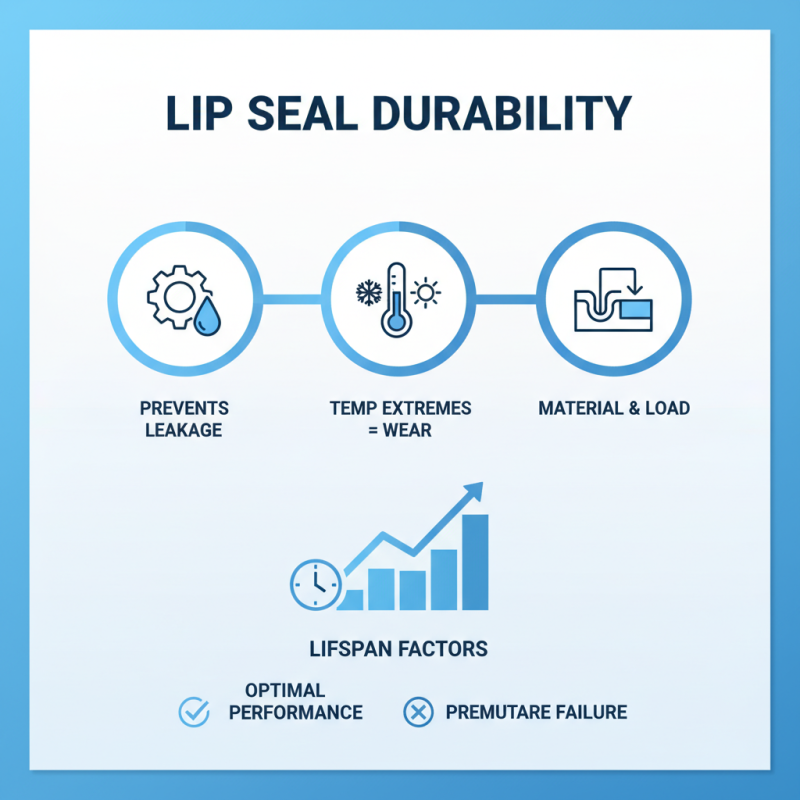
Lip seal durability is a crucial factor in mechanical applications. Proper sealing prevents leakage of fluids, which is vital for optimal performance. The lifespan of lip seals is influenced by material, environmental conditions, and operational parameters. For example, exposure to extreme temperatures can lead to premature wear. Seals must be chosen carefully to ensure they can handle specific loads and speeds.
Maintenance plays a significant role in extending lip seal life. Regular inspections are essential to identify wear and tear. If a seal shows signs of damage, it is essential to replace it promptly. Many operators overlook this step, leading to costly downtimes. Proper lubrication can minimize friction, enhancing seal performance. However, excessive lubrication may impair the seal's ability to function effectively.
Evaluating lip seal dimensions is also important. Seals that do not fit correctly can cause misalignment issues. This may result in early failure and unsafe operations. Engineers often debate the best dimensions for various applications. Seeking balance in size can lead to better sealing performance. Sometimes, trial and error is necessary to find the right fit. This process can be frustrating but is essential for long-term success.