What is Progressive Die Parts and How Are They Used in Manufacturing?
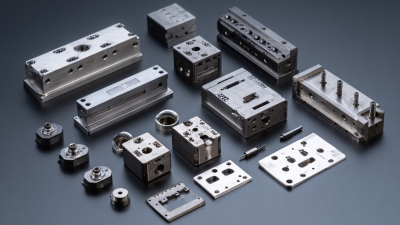
Progressive Die Parts play a crucial role in the manufacturing sector. These components are essential for creating complex metal parts in a highly efficient manner. With a series of stations, they enable the gradual shaping of materials, ensuring precision and consistency in production.
In the realm of manufacturing, the importance of Progressive Die Parts cannot be overstated. They streamline the process, reducing waste and maximizing output. However, not all manufacturers fully understand their potential. There are challenges in optimizing their use, such as equipment maintenance and operator training. Many times, companies overlook these aspects, leading to inefficiencies.
Understanding Progressive Die Parts requires a blend of technical knowledge and practical experience. Each die is unique, tailored to specific requirements. This customization poses its own set of challenges. But when executed well, the benefits are significant. Efficient die design can enhance production speed and reduce costs, making it a worthwhile investment for manufacturers. These factors highlight the need for ongoing learning and adaptation in this evolving field.
What Are Progressive Die Parts in Manufacturing Processes?
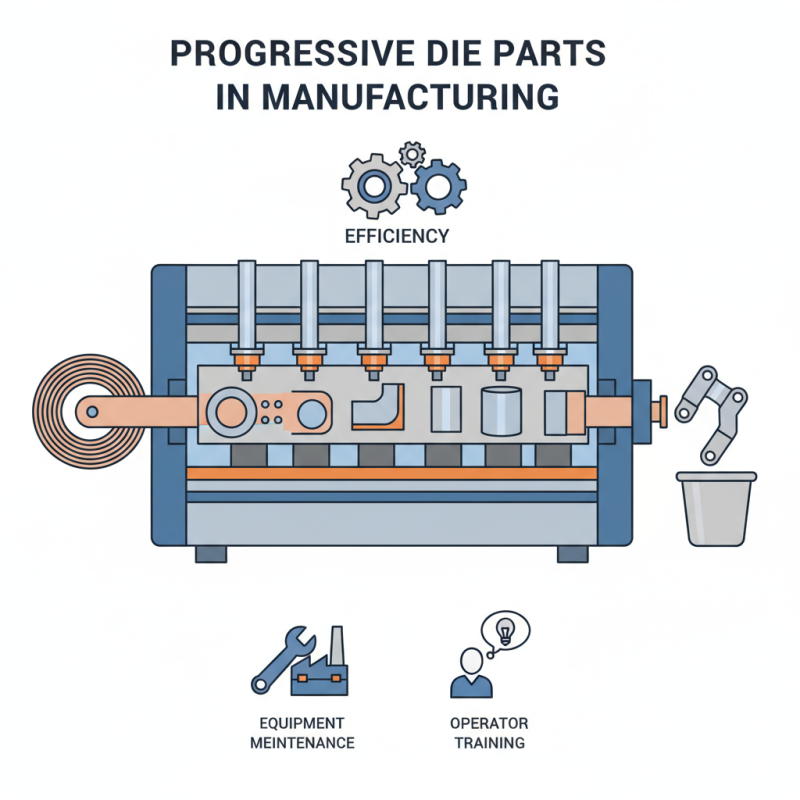
Progressive die parts play a crucial role in modern manufacturing processes. These parts enable the simultaneous creation of multiple components through a single pass. The design utilizes several stations, each performing a unique operation, such as cutting, bending, or assembling. This method streamlines production and increases efficiency.
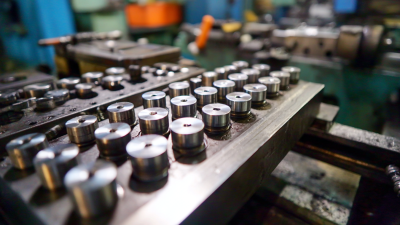
In manufacturing, progressive dies are highly preferred for producing metal parts. They help in achieving tight tolerances and consistency. Operators can load a continuous strip of metal into the die. As the strip passes through various operations, precise shapes and features emerge. This process reduces waste and labor costs, making it attractive for high-volume production.
However, the setup for progressive dies can be complex. Designing the die requires careful engineering to ensure each step flows smoothly. Mistakes in design can lead to inefficiencies or defects in the parts. Manufacturers must balance speed and quality, often reflecting on past projects to improve future designs. Continuous evaluation is essential to harness the full potential of progressive die parts in their operations.
Progressive Die Parts in Manufacturing Processes
This chart illustrates the production volume of various progressive die parts manufacturing processes including stamping, cutting, bending, forming, and trimming. Each process is represented by a different bar, indicating the number of units produced per month.
Key Components of Progressive Die Design and Functionality
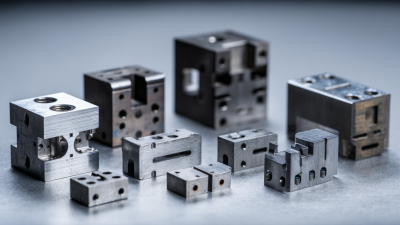
Progressive die parts are crucial in manufacturing. They are designed to create metal components efficiently and accurately. The progressive die is a multistage tool that shapes metal through a series of operations. Each stage completes a portion of the part's development. This helps in achieving high production rates and consistent quality.
Key components of progressive die design include the die sets, which hold the tooling in place. These die sets maintain alignment throughout each operation, ensuring precision. According to the Precision Metalforming Association, progressive dies can improve production efficiency by up to 85%. The design must consider materials, tolerances, and part geometries to ensure functionality.
Additionally, many manufacturers face challenges with wear and tear on die components. Maintaining these tools is vital for sustained productivity. Regular inspection and maintenance can prevent costly downtime. In a rapidly evolving market, staying current with advancements in die technology is also essential. This helps manufacturers remain competitive and deliver superior products.
Benefits of Using Progressive Die Parts in Production Efficiency
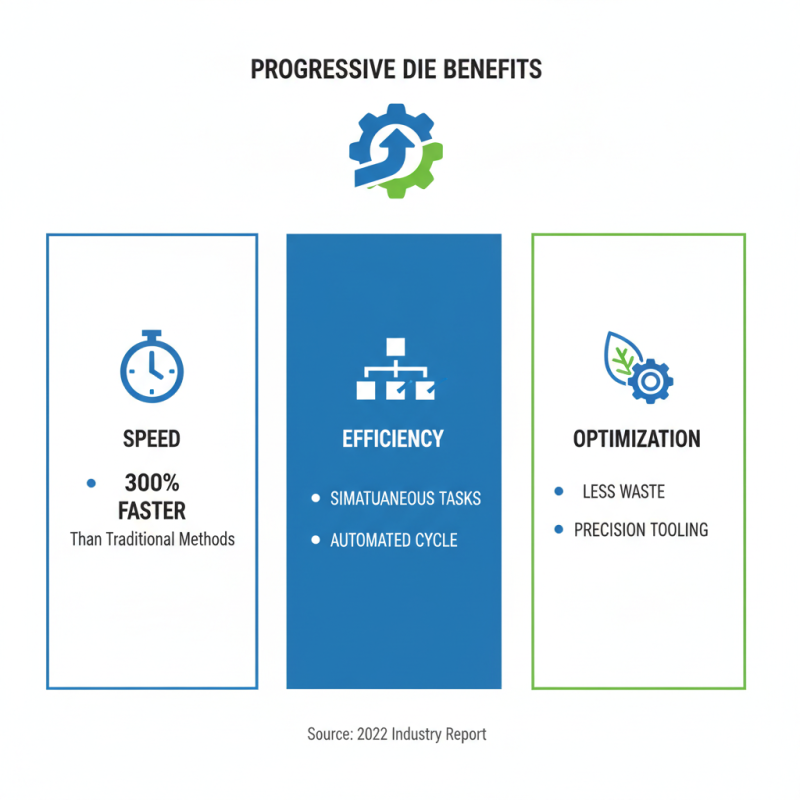
Progressive die parts are increasingly utilized in manufacturing due to their efficiency. These components enable simultaneous processing of multiple tasks in a single automated cycle. For instance, according to a 2022 industry report, progressive dies can enhance production rates by up to 300% compared to traditional methods. This significant boost is achieved through precise tooling and reduced material waste.
The use of progressive die parts also leads to consistency in product quality. The automated nature of progressive dies minimizes human error. Statistical analysis from recent surveys indicates that companies using these components report a 20% decrease in defect rates. However, transitioning to progressive die systems requires an initial investment in training and equipment. This can be a hurdle for smaller manufacturers.
Beyond efficiency, progressive die parts support lean manufacturing principles. They help streamline operations and reduce lead times. A 2023 study highlighted that manufacturers implementing progressive die systems saw a 15% reduction in operational costs. These metrics highlight the benefits, but it's essential to conduct a feasibility analysis tailored to specific production needs before committing to this technology. This ensures a balance between investment and efficiency gains.
Industry Applications of Progressive Die Parts Across Sectors
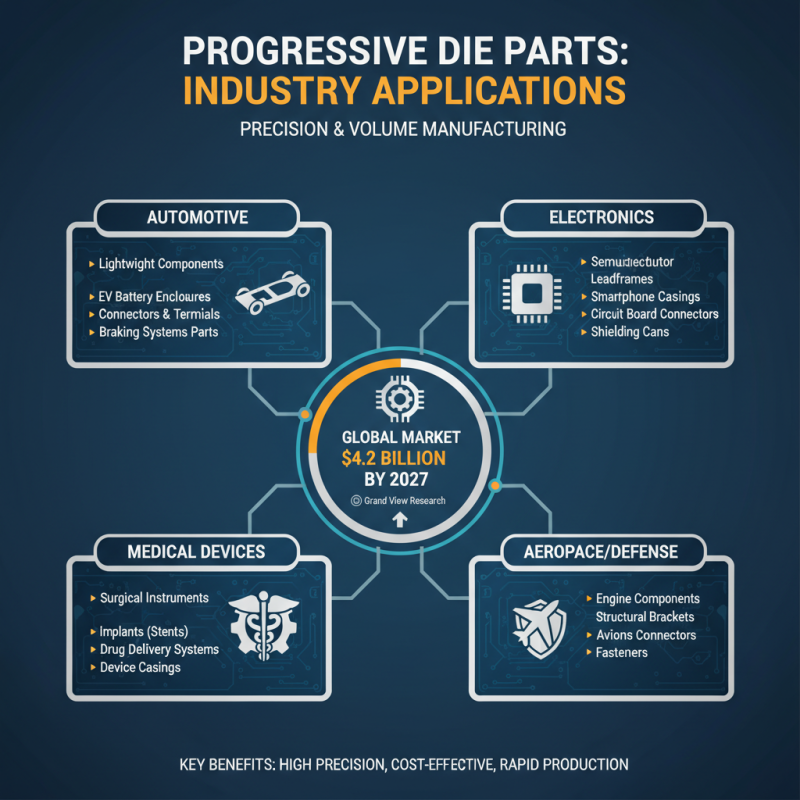
Progressive die parts play a crucial role in various manufacturing sectors, especially in automotive and electronics industries. According to a recent report by Grand View Research, the global progressive die market is expected to grow significantly, reaching an estimated $4.2 billion by 2027. This growth is fueled by the rising demand for precise metal parts that can be produced at high volumes.
In the automotive sector, progressive die parts are integral for producing components like brackets, clips, and housings. The high-speed stamping process allows manufacturers to create complex shapes efficiently. A study conducted by Technavio highlighted that advancements in die design could reduce production time by up to 30%. In electronics, these parts help create intricate connectors and housings, vital for medical devices and consumer electronics. However, the challenge lies in maintaining consistency and quality across large batches.
Despite their advantages, the use of progressive die parts does raise concerns. The setup costs for tooling can be substantial. While companies reap benefits in scale, the initial investment can be a barrier. Companies must ensure robust feedback systems are in place to monitor quality. Continuous improvement is essential, as any inconsistencies can lead to significant setbacks in production. Thus, while the future of progressive die parts appears promising, businesses need to navigate these challenges carefully.
Trends and Innovations in Progressive Die Manufacturing Technologies
Progressive die manufacturing technologies are evolving rapidly. These innovations enhance production efficiency and precision. Advanced materials are now utilized for die construction. This shift improves durability and performance under various conditions. For instance, high-strength steel and composite materials reduce wear and extend tool life. Such advancements allow for more complex part designs.
Automation plays a crucial role in this sector. New techniques, like robotic integration, optimize the stamping process. Machines can operate with minimal human intervention. This leads to fewer errors and higher throughput. However, reliance on automation poses challenges. Maintenance and troubleshooting require skilled technicians. Data analytics also transforms how manufacturers monitor die performance. Predictive maintenance reduces downtime and costs.
Emerging technologies, such as 3D printing and additive manufacturing, are making an impact. They enable rapid prototyping of die components, streamlining the design process. These methods allow for quick adjustments and iterations. But, they also demand a shift in mindset. Embracing such technologies requires training and adaptation. The industry must find a balance between traditional methods and modern innovations.
What is Progressive Die Parts and How Are They Used in Manufacturing? - Trends and Innovations in Progressive Die Manufacturing Technologies
| Part Name |
Material |
Application Area |
Process Used |
Innovations |
| Stamping Die |
High Carbon Steel |
Automotive Parts |
Progressive Stamping |
Automated Setup |
| Compound Die |
Aluminum Alloy |
Electronics |
Multi-Stage Stamping |
3D Printed Parts |
| Forming Die |
Stainless Steel |
Home Appliances |
Hydraulic Pressing |
Digital Monitoring |
| Cutting Die |
Tool Steel |
Packaging Industry |
Laser Cutting |
Smart Cutting Tools |
| Progressive Die |
Mild Steel |
Construction |
Sequential Stamping |
IoT Integration |