How to Source Quality Round Metal Discs for Your Business?
Sourcing quality round metal discs can significantly impact your business operations. These discs serve various applications, from manufacturing to crafting. Selecting the right supplier is crucial. Poor quality can lead to production delays and increased costs.
When searching for round metal discs, consider factors such as material quality and dimensional accuracy. Not all suppliers meet industry standards. Some may offer lower prices, but at the expense of quality. It’s important to research potential suppliers thoroughly. Look for certifications and customer reviews that highlight their reliability.
Engaging with suppliers who understand your specific needs can enhance your product quality. Don’t hesitate to ask for samples before committing to bulk orders. This can prevent costly mistakes. Ultimately, investing time in finding quality round metal discs will pay off, improving your overall productivity and customer satisfaction.
Understanding the Types of Round Metal Discs Available in the Market
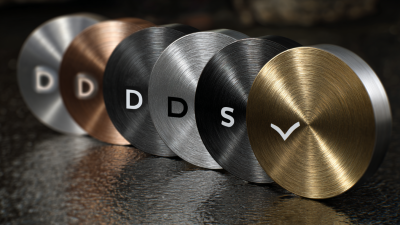
When sourcing round metal discs, understanding the types available is crucial. There are various materials to consider. Common choices include aluminum, stainless steel, and brass. Each material has distinct properties, making them suitable for different applications. For instance, aluminum discs are lightweight and corrosion-resistant, while stainless steel offers exceptional strength. Brass discs, on the other hand, are often chosen for aesthetics.
Beyond materials, thickness and diameter play significant roles. Thicker discs can bear more weight but may be heavier and harder to work with. Smaller diameters might be suitable for intricate designs or specific machinery. Sourcing from reputable suppliers helps ensure the quality of these products. Look for those who provide detailed specifications and quality certifications.
However, sourcing can be challenging. Not all suppliers maintain the same standards. Some might prioritize cost over quality, leading to disappointment. It's essential to ask for samples where possible. This allows for assessment of workmanship and suitability. Understanding these types and their intricacies helps businesses make informed decisions. Quality round metal discs can significantly impact overall project success.
How to Source Quality Round Metal Discs for Your Business?
| Type of Round Metal Disc |
Material |
Diameter (mm) |
Thickness (mm) |
Common Uses |
| Flat Discs |
Aluminum |
50 |
2 |
Automotive parts |
| Raised Discs |
Stainless Steel |
100 |
5 |
Decorative applications |
| Perforated Discs |
Mild Steel |
80 |
3 |
Filtering systems |
| Hollow Discs |
Brass |
60 |
4 |
Electronic connectors |
Key Material Considerations for Quality Round Metal Discs Sourcing
When sourcing round metal discs for your business, material quality is paramount. Steel, aluminum, and brass are common choices. Each material has distinct properties. Steel offers strength and durability, while aluminum is lighter and resistant to corrosion. Brass provides excellent conductivity. Understanding these materials can help in making informed decisions for your applications.
Tip: Always request samples before committing. This allows you to assess the quality firsthand. Look for consistent thickness and a smooth finish. Discrepancies may indicate issues during manufacturing. Testing the strength of the material can also prevent future complications.
Pay attention to the source of your materials. Reputable suppliers often provide detailed specifications and certifications. However, not all claims are verified. Research suppliers online and check reviews. This can save you from unexpected pitfalls and ensure reliability.
Assessing Vendor Reliability: Certifications and Quality Standards
When sourcing round metal discs, vendor reliability is crucial.
Certifications and quality standards
provide insights into a vendor's capabilities. According to the International Organization for Standardization (ISO),
companies with ISO 9001 certification demonstrate effective quality management systems.
This certification is vital for ensuring consistent product quality.
For instance, a manufacturing study found that 75% of companies consider
ISO certification essential when choosing suppliers. Furthermore, compliance with
ASTM International standards assures that metal discs meet
specific mechanical properties. Not all vendors adhere to these standards, which can lead to inconsistencies in product quality.
However, it's important to recognize that certifications alone do not guarantee reliability. Inspecting vendor processes and production methods is essential. Reviews and performance data from existing customers can provide additional insights.
A vendor's history with on-time deliveries and customer service responses often reflects their reliability.
Investing time in thorough research leads to more informed sourcing decisions.
Evaluating Cost vs. Quality: Pricing Trends in Round Metal Discs
When sourcing round metal discs, balancing cost and quality is crucial. Industry reports indicate that quality metal discs can range from $0.50 to $3.00 each, depending on material and size. Recent trends show a shift toward higher quality options, as businesses recognize that investing more can reduce long-term costs. Discs with superior durability tend to have lower failure rates, contributing to savings in replacement expenses.
When evaluating suppliers, consider their manufacturing processes. Look for companies that adhere to rigorous quality standards. A report by the Manufacturing Institute highlighted that firms investing in quality management systems saw a 20% increase in customer satisfaction. Furthermore, check if the supplier offers samples. Testing a sample can provide insight into the disc’s performance.
Tip: Always request certifications that validate material quality. Certifications from recognized bodies can assure you of the disc's performance.
Tip: Don’t solely rely on price. Sometimes, the cheapest option may lead to future costs due to lower quality. Assess the long-term implications of your choice carefully.
Tips for Testing and Quality Assurance in Metal Disc Purchases
When sourcing round metal discs, quality is paramount for your business. Ensuring that the materials meet your standards is essential. Testing and quality assurance play critical roles in this process. Here are some tips to consider during your purchases.
Start with visual inspections. Check for surface imperfections and dimensional accuracy. Any visible flaws could indicate deeper issues. This step helps narrow down your options early in the selection process.
Next, consider conducting material tests. Use hardness tests to ensure the discs can withstand expected use. Additionally, tensile strength tests can reveal the material’s durability. If suppliers can’t provide this data, be cautious. It reflects their transparency and reliability.
Finally, review industry certifications. Look for relevant standards your supplier meets. Certifications ensure that they follow established guidelines. It can be frustrating if products don’t meet specifications. When that happens, reassess your supplier's credentials. Quality should never be compromised.
Quality Assessment of Round Metal Discs
This chart displays the quality assessment scores of various round metal discs based on different testing criteria such as Thickness, Diameter Accuracy, Surface Finish, and Hardness. The scores range from 0 to 100, where higher scores indicate better quality.