Top Tips for Sourcing Pneumatic Seals at the 139th Canton Fair?
The 139th Canton Fair presents a unique opportunity for sourcing pneumatic seals, a crucial component in many industrial applications. With an estimated market size of $4.5 billion in 2022, the demand for pneumatic seals continues to grow steadily. This growth is fueled by advancements in automation and manufacturing processes.
As buyers explore the vast exhibition area of 1.55 million square meters, the introduction of AI-powered features will enhance their experience. Buyers can now filter suppliers based on specific qualifications, such as ISO or CE certifications, optimizing their sourcing efforts. However, navigating this large venue remains a challenge.
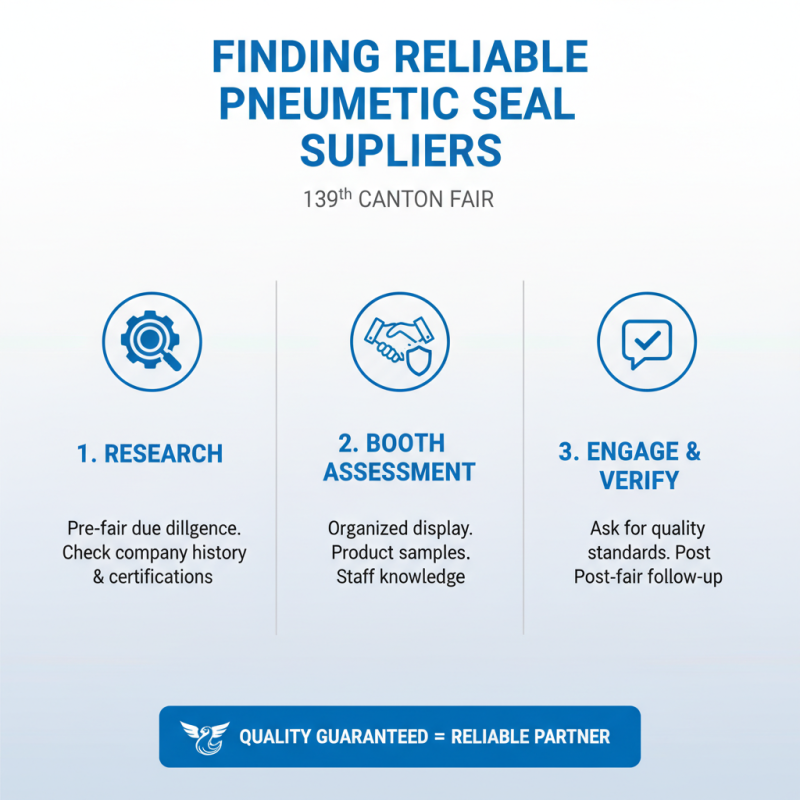
It's essential to identify reliable suppliers. Not all vendors meet the high standards required for pneumatic seals, leading to potential operational risks. Reflecting on suppliers' reliability and evaluating their certifications will have long-lasting impacts. The Canton Fair provides a platform to gather information and establish connections, but due diligence is still vital in sourcing pneumatic seals effectively.

Key Considerations for Selecting Pneumatic Seals at Canton Fair
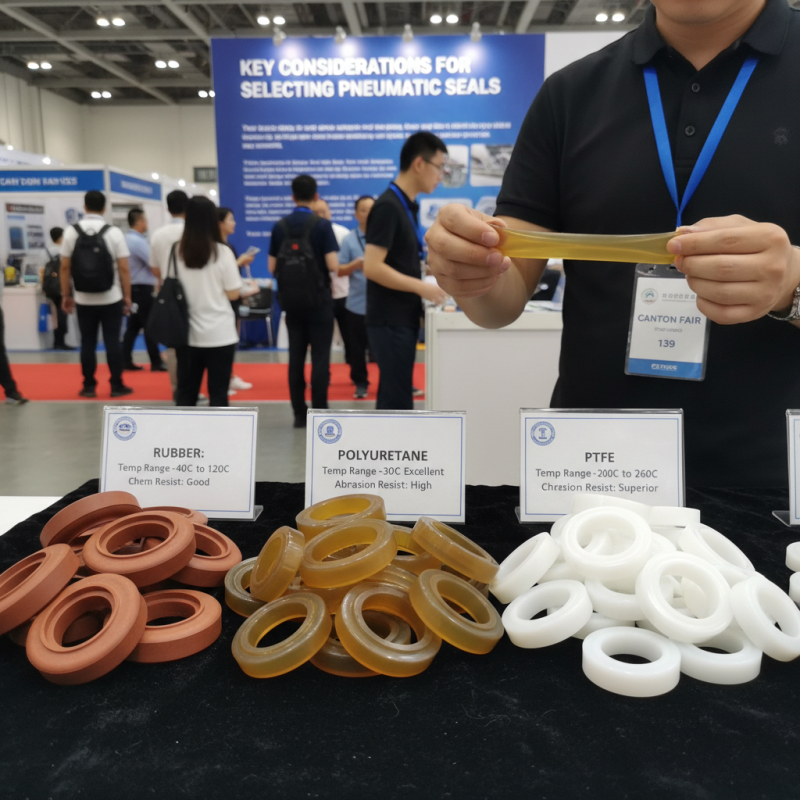
When sourcing pneumatic seals at the 139th Canton Fair, several key considerations come into play. First, assess the material options available. Common materials include rubber, polyurethane, and PTFE. Each has unique properties, such as temperature resistance and chemical compatibility. Testing these materials is crucial for ensuring reliability in your application.
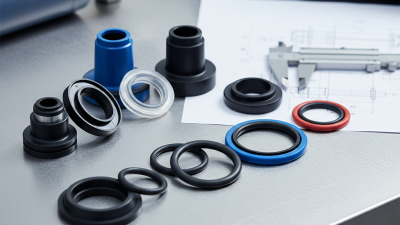
Another aspect to think about is the design of the seals. Different applications may require specific shapes or sizes. It’s important to match the seal design to the equipment where it will be used. Don’t rush this decision. Take your time examining samples and asking questions. The goal is to find seals that fit perfectly.
Also, consider the supplier’s reputation. A quick internet search can reveal previous customer experiences. Read reviews, and don’t be shy about reaching out for references. Some suppliers may overstate their capabilities, making it vital to verify their claims. Gathering this information can save you from costly mistakes in the long run.
Understanding Different Types of Pneumatic Seals Available
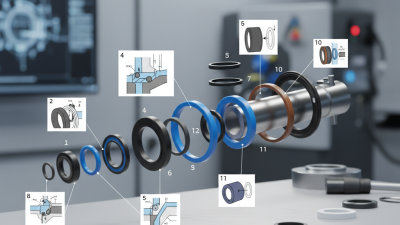
Pneumatic seals are essential for various industrial applications. Understanding the different types of seals available can greatly impact their effectiveness. Typically, pneumatic seals fall into categories like O-rings, rod seals, and diaphragm seals. Each type serves specific functions and environments, making knowledge essential.
Recent industry reports highlight that O-rings are among the most popular choices. They are simple, yet effective, often used for static and dynamic seals in cylinders. Interestingly, around 25% of all seal failures can be attributed to improper O-ring selection. Choosing the right hardness and material is crucial.
Rod seals, on the other hand, are designed for reciprocating applications. The seal's design must accommodate high-pressure environments, which often leads to failure if not properly managed. Diaphragm seals are widely used in applications requiring chemical resistance. However, their installation can be tricky, impacting performance. Many users overlook installation details, leading to frustrating leaks and inefficiencies. Understanding these aspects will help buyers make informed choices at the Canton Fair.
Evaluating Quality and Performance Features of Pneumatic Seals
When sourcing pneumatic seals at the 139th Canton Fair, focusing on quality and performance is crucial. Start by assessing the materials used in the seals. High-quality materials prevent leaks and ensure durability. Ask suppliers about their sourcing practices. This will give you insight into their quality assurance.
Checking product samples is advisable. Look for consistent thickness and smooth finishes. These features often indicate better performance. Evaluate the seal's ability to withstand extreme temperatures. Seals should work reliably under pressure and varying temperatures. Don’t hesitate to ask about testing methods used to verify performance.
Consider the feedback from other buyers as well. Their experiences can offer valuable insights. Keep your eyes open for any signs of inconsistencies. Sometimes even small defects can lead to bigger issues. Reflect on your requirements thoroughly. The right seals are vital for optimal performance in your applications.
Negotiation Strategies for Purchasing Pneumatic Seals Effectively
Negotiating effectively for pneumatic seals at the Canton Fair requires careful planning. Research your suppliers beforehand. Familiarize yourself with different types of pneumatic seals, their applications, and market trends. This knowledge empowers your discussions. It helps you understand price benchmarks, which can be a key factor in negotiations.
During negotiations, clarity is essential. Use open-ended questions to gather information. It is crucial to express your needs clearly. Don't hesitate to ask for specific details about material quality and production processes. Sometimes, suppliers may not provide all the necessary information upfront. You may need to dig deeper.
Building rapport with suppliers can also impact negotiations. A friendly conversation can break down barriers. However, it’s important to remain firm about your requirements. If something seems off or unclear, seek explanations. Being willing to walk away can provide leverage. Reflect on your negotiation tactics throughout the process. Learning from each meeting can improve future results.