Top Heat Resistant Gaskets for Global Procurement Needs?
In the demanding world of industrial applications, heat resistant gaskets have become essential. Experts emphasize their critical role. John Hughes, a well-regarded industry leader, states, "Choosing the right heat resistant gasket can make or break equipment performance." This sentiment underlines the urgency of selecting the appropriate materials.
Heat resistant gaskets are designed to withstand extreme temperatures. They provide seals that prevent leaks and maintain pressure. Industries such as automotive, aerospace, and manufacturing heavily rely on these components. However, not all gaskets perform equally. Factors like material composition and manufacturing quality must be carefully considered.
In a global marketplace, procurement needs are diverse. Organizations must navigate various suppliers and product specifications. This complexity can lead to mistakes. Rising costs and supply chain issues may compromise the selection process. Professionals in the field must stay informed and vigilant. The right heat resistant gaskets are vital for reliability and efficiency.
Top Heat Resistant Gaskets Overview: Types and Materials Used
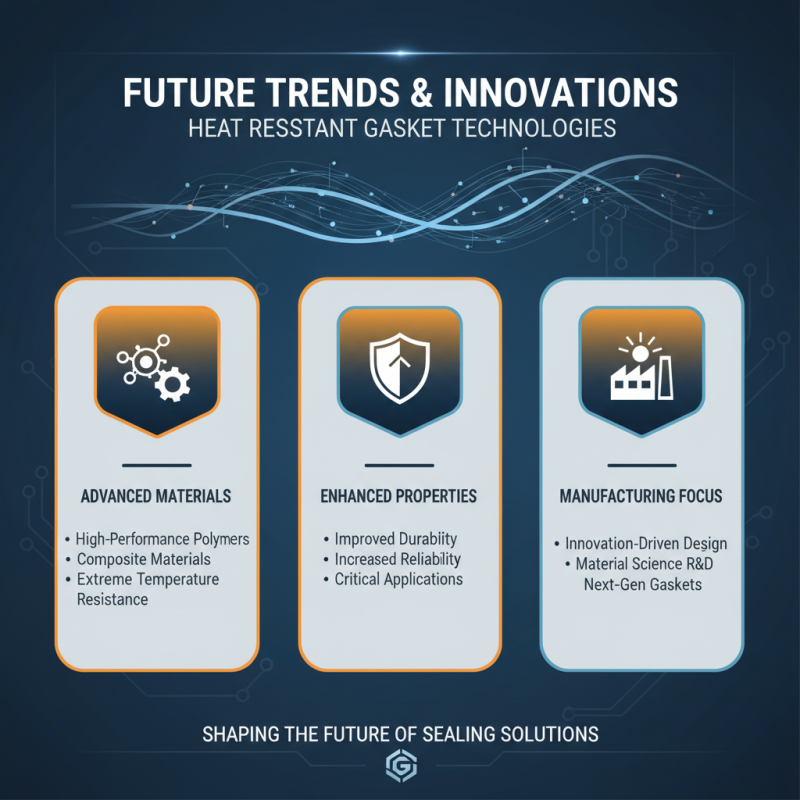
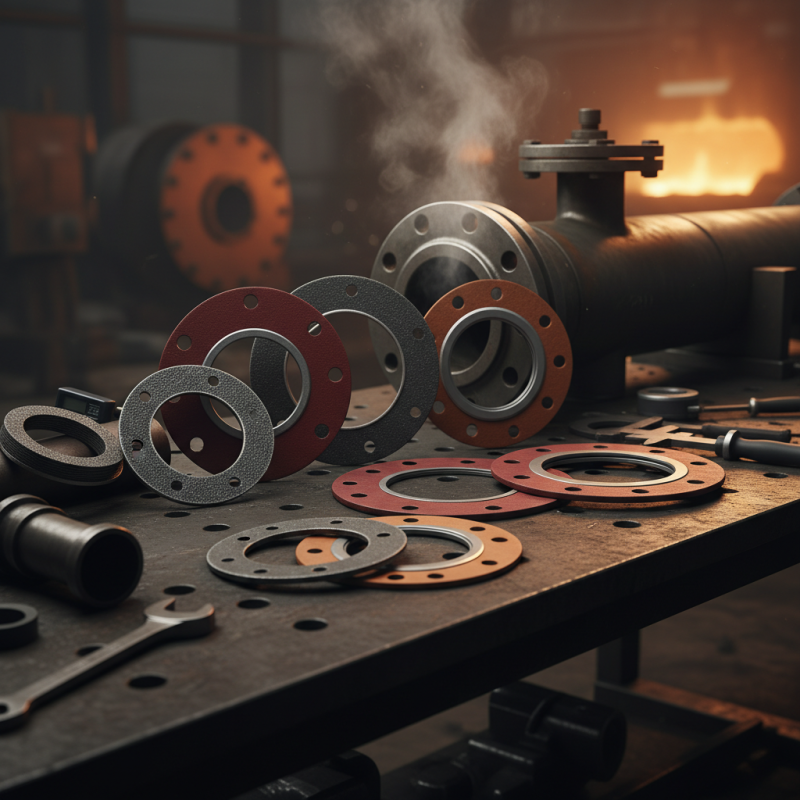
Heat resistant gaskets play a crucial role in various industries. They ensure reliable seals under extreme temperatures. Typical materials used include silicone, graphite, and PTFE. Each material has unique advantages that cater to specific needs. For example, silicone gaskets can withstand temperatures up to 200°C. Graphite gaskets, on the other hand, offer excellent stability at much higher temperatures.
Recent industry reports indicate that the global gasket market is projected to reach $12 billion by 2025. This growth is driven by increasing demand for durable sealing solutions in automotive and aerospace sectors. However, challenges persist. Many manufacturers face difficulties in sourcing high-quality materials. Moreover, the performance of gaskets can vary significantly depending on environmental conditions.
Choosing the right gasket can be complex. Factors like thermal expansion and chemical exposure must be considered. Not all materials perform equally well in every application. It's essential to evaluate the specific requirements of each project carefully. Ensuring the right fit can lead to enhanced performance and longevity.
Market Demand for Heat Resistant Gaskets in Global Industries
The demand for heat resistant gaskets is on the rise across various industries. These gaskets play a crucial role in maintaining efficiency and safety, particularly in high-temperature environments. Industries like manufacturing, automotive, and aerospace rely on these components to ensure equipment operates correctly. Heat resistant gaskets provide a vital seal, preventing leaks and enabling machinery to run smoothly.
When selecting heat resistant gaskets, focus on the material properties. Different materials can withstand various temperature ranges. Often, users overlook the importance of gasket thickness, which can impact performance. Ensure compatibility with the specific application to avoid premature failure.
Tips for procurement: always check the environmental conditions where you plan to use the gasket. The right material will offer resistance against chemical exposure as well. Understand the operational parameters. This knowledge will guide you in choosing the right gasket to meet your specific needs. Don't hesitate to revisit your options based on performance data over time.
Key Applications of Heat Resistant Gaskets in High-Temperature Environments
Heat resistant gaskets play a crucial role in various industries where high temperatures are common. These environments include power generation, petrochemical processing, and aerospace applications. Gaskets made from materials like graphite, PTFE, and specialized elastomers are designed to endure extreme heat and pressure.
In power plants, heat resistant gaskets help maintain pressure seals in turbines and boilers. They ensure the efficiency and safety of these systems. In petrochemicals, the demand for reliable seals is high due to aggressive chemicals and fluctuating temperatures. Gaskets prevent leaks, protecting both personnel and equipment. The aerospace industry also relies on these gaskets to handle extreme conditions during flight. They must withstand thermal cycling and vibrations.
Despite advancements in materials, challenges remain. Certain gaskets may degrade over time under continuous high heat exposure. It’s crucial to select the right gasket for the specific application. Seeking professional advice can prevent costly failures. Testing and validation processes are essential to ensure the reliability of heat resistant gaskets in demanding environments.
Comparative Analysis of Performance Metrics for Top Gasket Brands
When evaluating heat resistant gaskets, performance metrics are crucial. Key factors include temperature tolerance, pressure resistance, and durability. Many studies show that gaskets can withstand high temperatures ranging from 200°C to over 1000°C, depending on their material composition. Reliability is often tested under extreme conditions, revealing variances among gasket types based on application.
Different industries report performance discrepancies that can impact operations. For instance, automotive and aerospace sectors demand exceptional heat resistance. A recent industry report suggested that nearly 30% of gasket failures are attributed to inadequate material selection. Thus, understanding specific performance metrics is vital before procurement decisions. Moreover, durability can be assessed using accelerated aging tests, which simulate long-term exposure to heat and pressure.
While many manufacturers boast high-performance ratings, data reveals inconsistencies. Consumer feedback often highlights issues like premature wear or inadequate sealing under intense conditions. Addressing these pitfalls can lead to better product selection. Proper evaluation of technical documents and validation of claims are essential. Balancing cost and performance metrics remains an ongoing challenge for procurement teams across industries.