Top 10 Progressive Die Parts You Need for Global Sourcing?
In the realm of manufacturing, sourcing the right Progressive Die Parts can significantly impact efficiency and product quality. Industry expert John Smith, a seasoned engineer with over two decades of experience, emphasizes, “Choosing the right components is crucial for seamless production.” His insights reflect the importance of these parts in a global market.
Progressive Die Parts play a pivotal role in using modern technology to enhance manufacturing processes. These components aid in precision shaping and forming metal sheets. However, not all parts are created equal. Some may lack durability or compatibility, leading to production delays and increased costs. It's essential to research and select parts that withstand rigorous use.
Understanding the nuances of sourcing these components is vital. Companies must evaluate suppliers for quality assurance and reliability. In today's competitive landscape, overlooking the importance of high-quality Progressive Die Parts can result in costly mistakes. Investing time in sourcing the best parts saves money and boosts overall production effectiveness.
Understanding Progressive Dies and Their Components
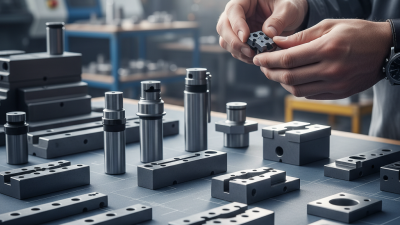
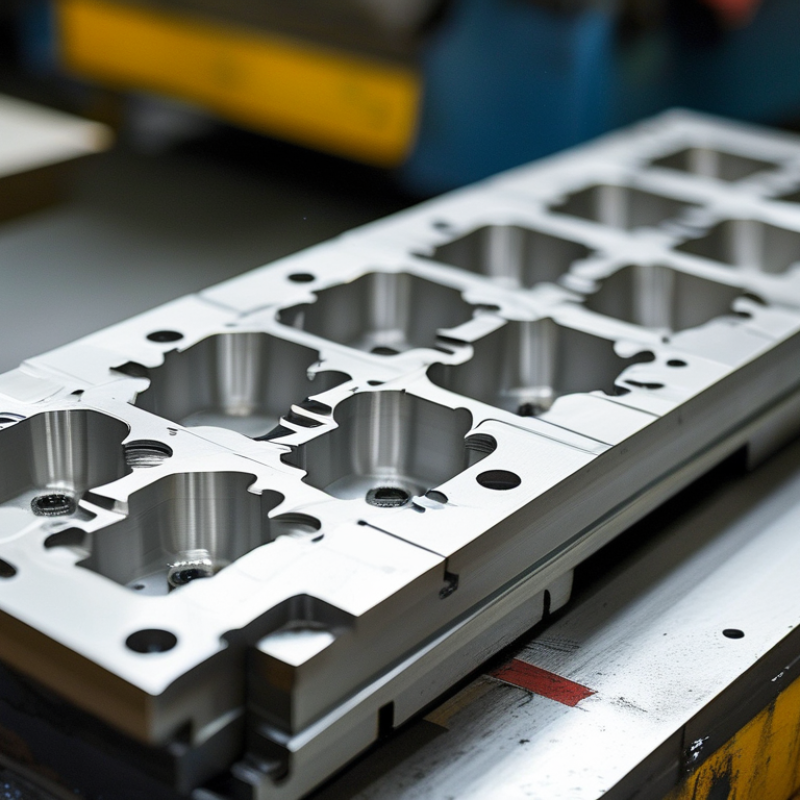
Progressive dies play a crucial role in manufacturing processes. Understanding their components is vital for quality production. A progressive die typically consists of several essential parts that work together. These include the die body, punch, stripper, and guide pins. Each part has a specific function that influences the overall efficiency of the die.
The die body acts as a structural component, supporting other parts. The punch shapes the material, while the stripper removes the finished piece. Guide pins ensure correct alignment during operation. Each component directly affects the production speed and precision. If any part is flawed, the entire process may suffer. Regular maintenance and inspection of these parts are essential.
Choosing the right parts for progressive dies can be challenging. Sourcing from reliable suppliers is important. Even small variations can lead to inefficiencies. Industry standards help, but not all suppliers adhere strictly. Understanding these components gives manufacturers an edge. It allows them to make informed decisions during sourcing. Quality components lead to better products and satisfied customers.
Essential Components of Progressive Die for Global Sourcing
Progressive die components play a crucial role in manufacturing efficiency. These parts are essential for global sourcing, allowing businesses to streamline production processes. Key components include die sets, punch holders, and stripping plates. Each part contributes to the overall functionality of the die. According to a recent industry report, proper sourcing of die parts can improve production rates by up to 30%.
The complexity of progressive dies requires attention to detail in sourcing. It is important to ensure that each component is compatible with others. For instance, a miscalculation in the thickness of the material can lead to inefficiencies. The design must account for variations in metal properties, which can affect performance. Experts suggest that manufacturers conduct regular audits on their die components. This review process can identify potential weaknesses and enhance reliability.
Additionally, market data reveals that around 25% of manufacturing delays stem from sourcing issues. This emphasizes the need for strategic partnerships with suppliers. Clear communication and precise specifications are critical. An investment in high-quality components pays off in the long run, reducing downtime. Taking time to reflect on sourcing practices can yield significant benefits for production quality and efficiency.
Top Materials Used in Progressive Die Manufacturing
In progressive die manufacturing, the choice of materials plays a critical role. Steel remains the most popular option. It offers durability and resistance to wear. According to a recent industry report, high-carbon steel accounts for nearly 60% of progressive die materials used in production. This makes it ideal for high-volume production.
Aluminum is another widely utilized material, albeit for different reasons. It provides excellent machinability and lighter weight. Data shows that aluminum usage in dies has increased by 15% over the past five years. However, its lower strength limits long-term applications. Manufacturers must carefully consider trade-offs.
Beyond metals, composites are gaining traction. They offer unique properties, such as corrosion resistance and reduced weight. However, they can be cost-prohibitive for some projects. Experts emphasize understanding the specific needs of each project. This ensures that the selected material aligns with production goals. A material's properties must always match the demands of the die's usage.
Key Suppliers and Manufacturers for Progressive Die Parts
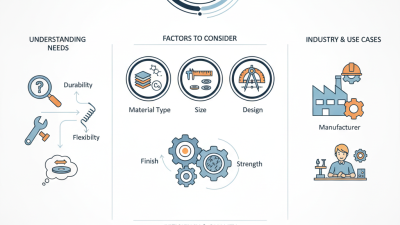
When it comes to global sourcing of progressive die parts, selecting the right suppliers and manufacturers is crucial. Experienced professionals emphasize the importance of partnerships built on reliability and expertise. A few key characteristics to look for include the supplier's production capacity, technological advancements, and certifications. Adequate support during the sourcing process enhances efficiency and minimizes risks.
Moreover, evaluating potential partners involves examining their reputation within the industry. Trusted suppliers often provide case studies or references that demonstrate their capabilities. Their experience with different materials and complexities of die parts can significantly influence project outcomes. While finding the perfect fit can be challenging, emphasizing quality assurance and post-sales support in your search makes a difference.
It's essential to consider geographic location when sourcing. Proximity can reduce lead times and shipping costs. However, broadening your search to include diverse regions might uncover unique options. Balancing local convenience with global opportunities requires careful reflection. Ultimately, aligning choices with specific project requirements can help in finding the most suitable sourcing options for progressive die parts.
Quality Assurance and Testing Standards in Die Parts Sourcing
When sourcing progressive die parts globally, quality assurance is paramount. It ensures that every component meets strict industry standards. Manufacturers should implement rigorous testing protocols to evaluate durability and precision. This includes dimensional inspections and materials testing. Each step in the production process must have clear checks. These measures help in identifying any flaws early on, reducing costly rework.
Collaboration with reputable suppliers enhances quality. They should share their certification and quality control practices. This transparency builds trust and ensures consistency in supply. Regular audits and assessments can highlight areas for improvement. Companies should not overlook the importance of feedback in this process. It helps to adapt and refine sourcing strategies.
Global sourcing poses unique challenges. Different regions may have varied standards and regulations. Staying informed about these can prevent compliance issues. Engaging with local experts can prove beneficial. They provide insights into market trends and quality expectations. The path to quality is ongoing. Continuous improvement should be a goal. It is essential to cultivate relationships with suppliers dedicated to excellence.
Top 10 Progressive Die Parts You Need for Global Sourcing
| Part Name |
Material |
Application |
Quality Standard |
Lead Time (Weeks) |
| Die Block |
Tool Steel |
Metal Stamping |
ISO 9001 |
8 |
| Punches |
High-Speed Steel |
Sheet Metal Cutting |
TS16949 |
6 |
| Die Stripper |
Aluminum |
Material Ejection |
ISO 14001 |
5 |
| Guiding Pins |
Stainless Steel |
Alignment |
ISO 45001 |
4 |
| Retaining Rings |
Carbon Steel |
Component Retention |
ASTM A228 |
3 |
| Shim Plates |
Copper |
Spacing Adjustment |
ISO 9001 |
2 |
| Blanks |
Tooling Steel |
Initial Forming |
ISO 50001 |
7 |
| Die Springs |
Spring Steel |
Force Generation |
ISO 9001 |
5 |
| Cams |
Alloy Steel |
Movement Control |
ISO 9001 |
6 |
| Bolsters |
Tool Steel |
Die Support |
ISO 14001 |
8 |