2026 Top Silicone Seals For Global Sourcing Solutions?
In the rapidly evolving industry of silicone seals, the importance of reliable sourcing solutions cannot be overstated. Jack Thompson, a leading expert in sealing technologies, emphasizes, "Quality silicone seals are the backbone of many industries." His insight highlights the crucial role these seals play in ensuring product integrity and performance.
Silicone seals have gained prominence in various sectors, from automotive to medical applications. Their flexibility and resistance to extreme temperatures set them apart from conventional materials. This versatility, however, comes with challenges. Sourcing high-quality silicone seals requires a thorough understanding of material properties and manufacturing processes.
Despite advancements, some suppliers may compromise on quality. This raises questions about the long-term reliability of silicone seals. Advocates for best practices call for more transparency in sourcing. The right seal can make all the difference in performance, and businesses must remain vigilant.
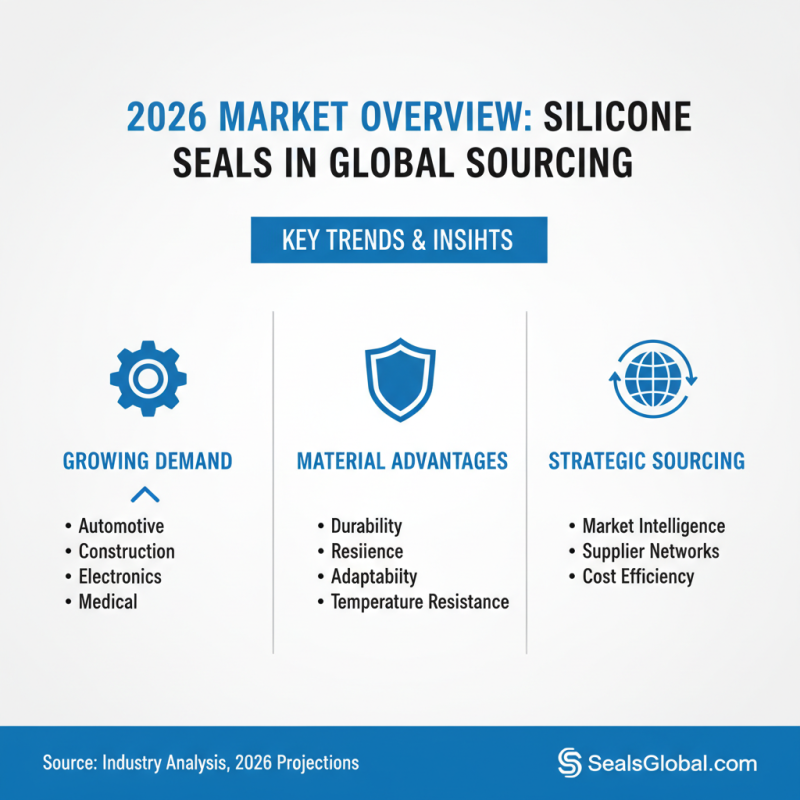
2026 Market Overview for Silicone Seals in Global Sourcing
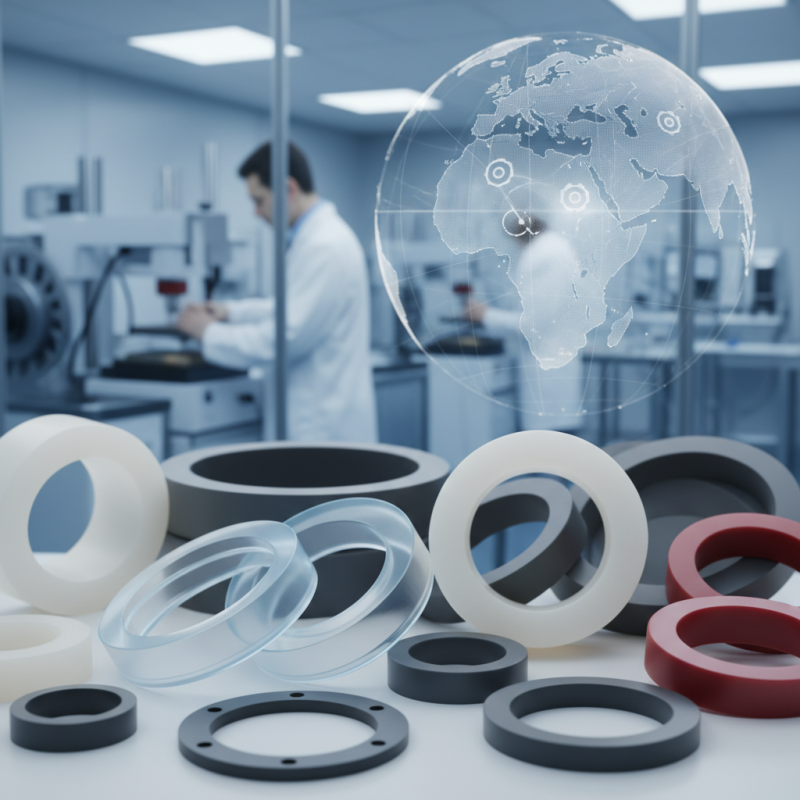
The silicone seals market is evolving rapidly as demand increases. In 2026, industries will rely on these seals for durability, resilience, and adaptability. Silicone seals are critical for applications ranging from automotive to construction. Understanding market trends can be challenging, yet it is essential for sourcing solutions.
Tips: Research the properties of silicone types. Different applications require specific characteristics. Consider factors like temperature range and chemical resistance.
In 2026, businesses must prioritize quality over cost. Sourcing decisions should focus on long-term benefits rather than short-term savings. While costs may be lower for certain suppliers, the risks could outweigh potential savings.
Tips: Build relationships with reputable suppliers. Engaging in dialogue can reveal the true quality of materials. Trustworthy relationships often lead to better support and future collaborations.
Key Characteristics and Benefits of Silicone Seals
Silicone seals have gained significant popularity in various industries due to their outstanding characteristics. One key advantage is their high temperature resistance. They can withstand extreme conditions, making them ideal for applications in automotive and aerospace sectors. Their flexibility allows for easy installation in tight spaces. Additionally, silicone seals are highly resistant to weathering, maintaining integrity even under harsh environmental conditions.
Another notable feature is their chemical resistance. Silicone seals can endure exposure to oils, solvents, and other aggressive substances without degrading. This quality is crucial in chemical processing plants. Their non-toxic nature also makes them safe for food and medical applications, highlighting their versatility. However, it is essential to ensure proper selection for specific environments, as not all silicone types suit every application.
While silicone seals provide many benefits, there are areas for improvement. Some users report that, while effective, these seals may wear out faster under certain conditions. Regular maintenance and checks are necessary to prolong their lifespan. Selecting the right grade of silicone is also a challenge for many. Discussing with experts can guide in making informed choices, ensuring optimal performance. The balance between cost and quality remains an ongoing consideration for sourcing solutions.
Leading Manufacturers and Suppliers of Silicone Seals
In the quest for reliable silicone seals, understanding the key manufacturers and suppliers is crucial. These companies are known for their expertise in creating high-quality silicone products. They focus on durability, flexibility, and performance across various applications. The right partner can significantly impact your sourcing strategy.
When selecting a supplier, consider industry experience. Companies with extensive experience often have refined processes and better quality control. Look for detailed specifications; this information helps in assessing product suitability. Potential buyers should also assess the supplier's reputation. Reviews and case studies can provide valuable insights into their reliability.
Tips: Always request samples before making large orders. This allows you to evaluate the material quality firsthand. Establish clear communication channels. Ensuring transparency builds trust and minimizes misunderstandings. Lastly, explore innovation trends. Manufacturers who invest in R&D may offer unique solutions that enhance performance.
Innovative Applications of Silicone Seals in Various Industries
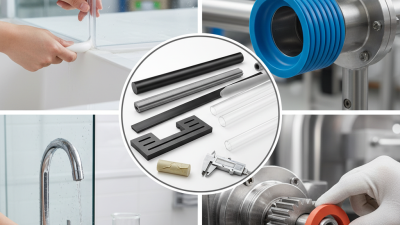
Silicone seals have become essential across many industries. Their versatility is evident in automotive, medical, and construction applications. In automotive engineering, silicone seals provide excellent resistance to heat and chemicals. This enhances vehicle durability while ensuring safety.
In the medical field, silicone seals are crucial for equipment reliability. They help maintain sterile environments, crucial for surgeries and patient safety. Their non-reactive properties make them suitable for various medical devices, providing peace of mind for healthcare providers.
Despite their many advantages, there are limitations. In extreme conditions, silicone may not perform as expected. It is vital to test seals thoroughly in real-world scenarios. Understanding these potential failures is key to improving designs and materials used. Continuous innovation and testing will push the boundaries of silicone applications.
2026 Top Silicone Seals For Global Sourcing Solutions? - Innovative Applications of Silicone Seals in Various Industries
| Application Area |
Material Type |
Temperature Resistance (°C) |
Chemical Resistance |
Industry |
| Automotive |
High-Temp Silicone |
-60 to 250 |
Oil and Fuel Resistant |
Automotive |
| Electronics |
Conductive Silicone |
-40 to 150 |
Weather and UV Resistant |
Electronics |
| Medical |
Pharmaceutical Grade Silicone |
-50 to 200 |
Biocompatible |
Medical |
| Food Industry |
FDA Silicone |
-40 to 260 |
Non-toxic |
Food Processing |
| Construction |
High-Performance Sealants |
-50 to 150 |
Mildew Resistant |
Construction |
Trends and Future Directions in Silicone Seal Technology
Silicone seal technology is evolving rapidly. As a versatile material, silicone offers excellent resistance to temperature and chemicals. This opens new avenues in various industries, including automotive and construction. Recent industry reports suggest a projected compound annual growth rate (CAGR) of 6.5% in the silicone seal market from 2021 to 2026. This growth is driven by increasing demand for high-performance materials.
Innovations are focusing on enhancing the lifespan and efficiency of silicone seals. The integration of advanced additives improves durability significantly. This aspect is crucial as many manufacturers seek products that can endure extreme conditions. Additionally, sustainable sourcing practices are emerging. About 40% of firms are now considering eco-friendly materials in their production processes. This reflects a broader trend toward sustainability within the industry.
Challenges remain, though. While silicone seals offer many benefits, the production process can be energy-intensive. Manufacturers must seek balance between performance and environmental impact. Improved recycling methods for silicone materials are necessary for future sustainability. As the market adapts, the move toward circular economies in manufacturing will be critical. The coming years will be pivotal for silicone seal technology, promising exciting developments and potential hurdles.