Leave Your Message

Top 5 Stainless Steel Gasket Benefits for Global Buyers?

In today's competitive marketplace, understanding the benefits of a Stainless Steel Gasket is crucial for global buyers. Expert Michael J. Thompson, a renowned engineer in gasket technology, states, "The right gasket can significantly enhance operational efficiency." This insight emphasizes the importance of selecting high-quality materials.

Stainless Steel Gaskets are lauded for their durability and resistance to corrosion. These features make them suitable for various applications, from automotive to industrial settings. Buyers often overlook the long-term cost savings associated with these gaskets. Investing in Stainless Steel can yield better performance and lower maintenance costs over time.

However, not all gaskets are created equal. Variability in manufacturing processes can lead to inconsistencies. It is essential for buyers to evaluate suppliers carefully. Relying solely on brand reputation can lead to missteps. Each choice should involve thorough research and consideration of real-world applications.

Top 5 Stainless Steel Gasket Benefits for Global Buyers?

Advantages of Stainless Steel Gaskets in Diverse Industries

Top 5 Stainless Steel Gasket Benefits for Global Buyers?

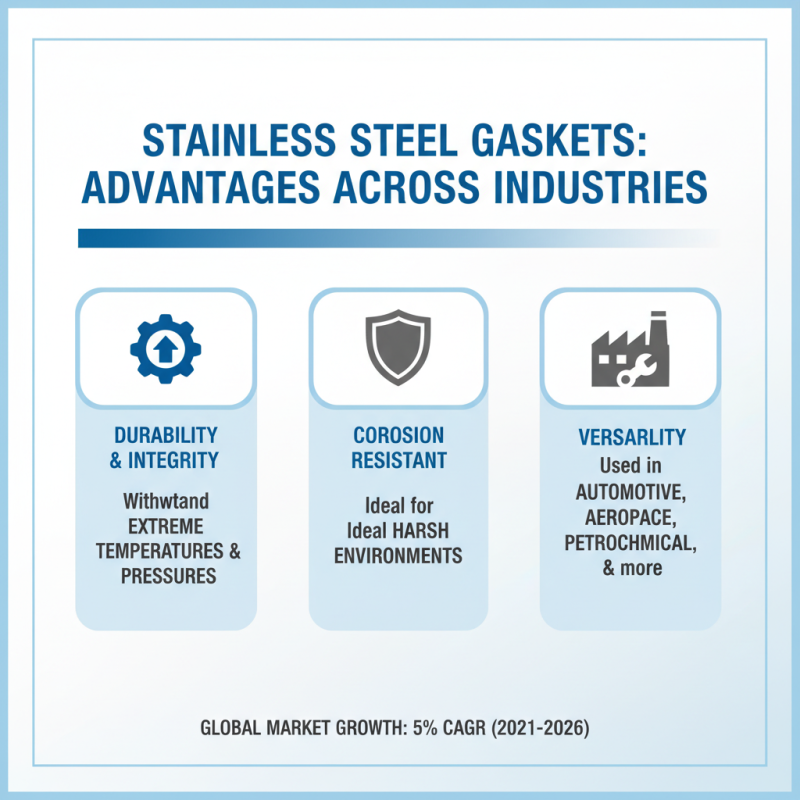
Stainless steel gaskets have gained significant traction across diverse industries due to their numerous benefits. According to a report by the Global Gasket Market, the demand for stainless steel gaskets is expected to grow at a CAGR of 5% from 2021 to 2026. This growth reflects their essential role in enhancing durability and ensuring integrity in critical applications. Stainless steel gaskets can withstand extreme temperatures and pressures, making them ideal for the automotive, aerospace, and petrochemical sectors.

One notable advantage lies in their resistance to corrosion. A study conducted by the International Corrosion Society indicates that stainless steel gaskets can exhibit over 50% improvement in lifespan compared to traditional materials. This longevity reduces maintenance costs and minimizes downtime. In industries where safety is paramount, such as the oil and gas sector, the reliability offered by stainless steel gaskets is crucial.

Moreover, these gaskets are often more eco-friendly than alternatives. Studies show that the recycling rate of stainless steel reaches about 90%. This characteristic appeals to companies looking to improve their sustainability footprint. However, the downfalls include higher initial costs and the challenge of finding the right material grade for specific applications. Balancing these factors is essential for making informed purchasing decisions.

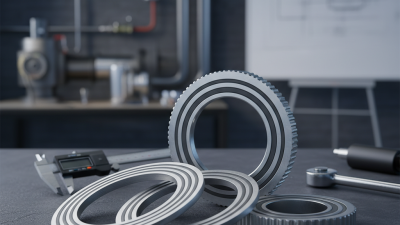
Corrosion Resistance: A Key Feature of Stainless Steel Gaskets

Corrosion resistance is a paramount attribute of stainless steel gaskets, making them indispensable in various industries. According to a recent study, nearly 70% of all machinery failures are due to corrosion-related issues. Stainless steel gaskets resist rust and degradation, significantly extending service life. This feature is particularly valuable in sectors like oil and gas, where harsh environments prevail.

Tips: When selecting gaskets, examine the environmental conditions. Even stainless steel can corrode under extreme circumstances. Regular inspections can prevent unplanned downtime.

Moreover, stainless steel gaskets perform well in high-pressure applications. They maintain integrity, providing a reliable seal under extreme stress. Research indicates that they outlast other materials like rubber and plastic by 50% or more. This longevity translates to reduced replacement costs and increased efficiency.

Tips: Always consider the gasket’s compatibility with coolant and chemical substances. Mismatched materials can lead to premature failure, negating the benefits of corrosion resistance. Regular training for staff on gasket management can further enhance performance.

Top 5 Stainless Steel Gasket Benefits for Global Buyers

Benefit Description Applications
Corrosion Resistance Stainless steel gaskets resist rust and corrosion, making them ideal for harsh environments. Oil & Gas, Marine
Durability These gaskets offer long-lasting performance under extreme pressure and temperature conditions. Chemical Processing, Power Generation
Versatility Compatible with various fluids and gases, making them suitable for diverse applications. Food & Beverage, HVAC
Ease of Installation Designed for easy handling, these gaskets simplify the installation process. Automotive, Aerospace
Cost-effectiveness Offers a great balance between initial cost and long-term performance savings. Construction, Energy

Long-term Durability: Cost Savings for Global Buyers

Stainless steel gaskets provide significant long-term durability. They resist corrosion and wear, making them ideal for various applications. This durability translates to cost savings over time. Global buyers can avoid frequent replacements that come with lower-quality materials. Investing in stainless steel gaskets means fewer interruptions in production and maintenance.

Choosing the right gasket material is crucial. Stainless steel gaskets can handle high temperatures and pressures, making them reliable even in the toughest environments. Local availability also helps in reducing lead times. It’s wise to consult engineers when selecting gaskets to ensure optimal performance for specific tasks.

Tips: Consider the working environment when selecting gaskets. Evaluate temperature and pressure requirements to make informed choices. Regular inspections can help catch wear and prevent costly downtime. Remember, investing now in quality materials leads to savings later.

Top 5 Benefits of Stainless Steel Gaskets for Global Buyers

High Temperature and Pressure Tolerance of Stainless Steel Gaskets

Top 5 Stainless Steel Gasket Benefits for Global Buyers?

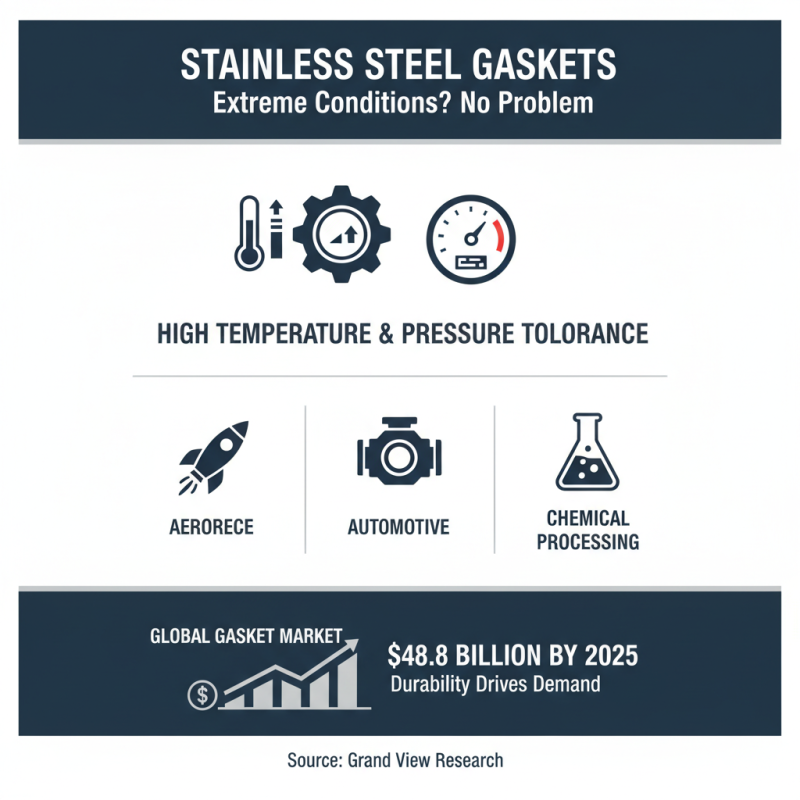
Stainless steel gaskets are increasingly popular in industries demanding high temperature and pressure resilience. They can withstand extreme conditions, making them essential in sectors like aerospace, automotive, and chemical processing. According to a report by Grand View Research, the global gasket market is projected to reach USD 48.8 billion by 2025, driven by the rising demand for durable sealing solutions.

High temperature tolerance is a remarkable feature of stainless steel gaskets. They can function effectively in environments exceeding 1000°F (538°C), ensuring safety and efficiency. This property is crucial in applications involving steam, hot gases, or corrosive substances. Additionally, stainless steel gaskets can manage high pressure up to 10,000 psi, making them suitable for critical systems requiring reliability under intense stress.

Tips: Always evaluate the specific needs of your application. Consider the temperature and pressure conditions. Proper installation and regular maintenance enhance performance and lifespan. Remember that choosing the wrong material can lead to leaks or failures, so thorough research is key before making decisions. Moreover, frequent inspections can help identify potential issues early.

Sustainability Factors in Choosing Stainless Steel Gaskets

Choosing stainless steel gaskets is increasingly linked to sustainability. Buyers today care about the environmental impact of their purchases. Stainless steel is recyclable and durable. This means less frequent replacements and waste. It’s critical to consider the entire lifecycle of gaskets. From production to disposal, stainless steel offers eco-friendly options.

The production of stainless steel can be energy-intensive. However, advancements in technology have made the process more efficient. Many manufacturers are adopting green practices. They use renewable energy and reduce emissions. By selecting these gaskets, buyers support sustainable development. This choice contributes to a circular economy.

Not every supplier prioritizes sustainability. Some gaskets may be sourced from less eco-conscious manufacturers. Research is essential for informed decisions. Reach out to suppliers about their sustainability practices. Transparency is crucial when assessing the environmental impact. Making the right choice can lead to long-term benefits for the planet.