2026 Top Stainless Steel Gasket Types for Your Needs?
In the world of manufacturing and engineering, the importance of a reliable seal cannot be overstated. Stainless Steel Gaskets are essential components in various industries, including automotive, aerospace, and oil & gas. According to recent data from the Global Gasket Market Report, the demand for stainless steel gaskets is projected to grow at a compound annual growth rate (CAGR) of 4.5% through 2026. This growth is driven by their superior strength and corrosion resistance.
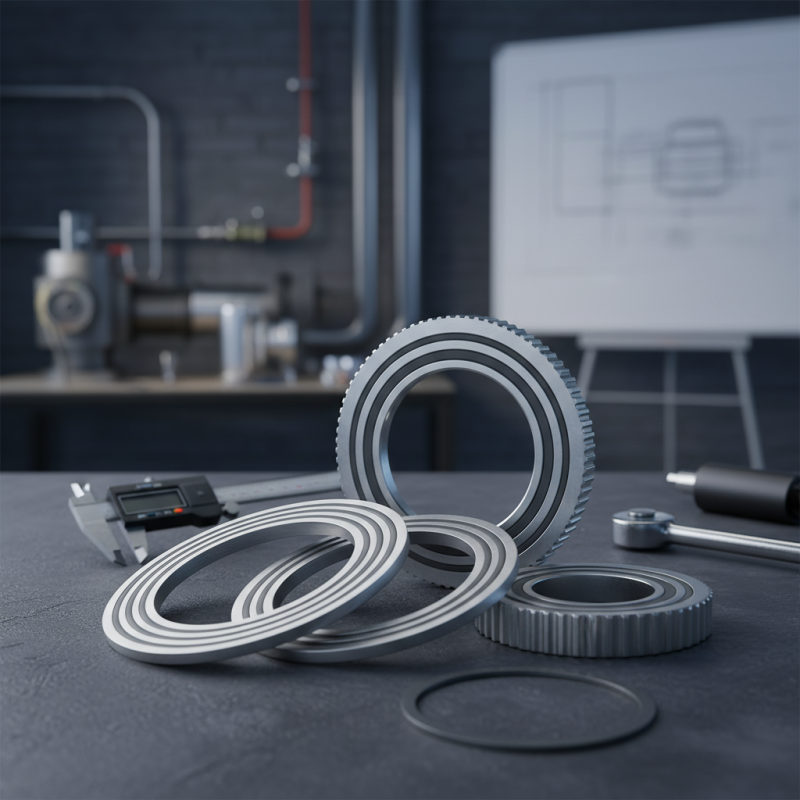
However, not all stainless steel gaskets are created equal. It’s crucial to choose the right type for specific applications. Factors like pressure, temperature, and material compatibility can significantly impact performance. Common types include spiral wound, metal jacketed, and Kammprofile gaskets. Each type serves unique purposes, yet users often face challenges like installation errors and incorrect material choice.
Understanding these variations can prevent costly failures. As industries continue to evolve, staying informed about advancements in gasket technology is imperative. Investing in the right stainless steel gasket can lead to improved efficiency and longevity in operations. Yet, many overlook the significance of regular maintenance and inspection, which is equally vital in ensuring long-term reliability.
Overview of Stainless Steel Gasket Types for 2026 Applications
Stainless steel gaskets are essential components in various industrial applications. For 2026, several types stand out, catering to diverse needs. Metal gaskets, particularly spiral wound types, are favored for their resilience and seal integrity. Research shows that the demand for stainless steel gaskets is projected to grow by 5% annually, driven by the oil and gas sector.
Another popular type is the corrugated gasket. These gaskets are known for their ability to withstand high pressure. Yet, they can be tricky during installation. Improper fitting might lead to leaks or failures. Industry reports highlight that nearly 15% of gasket failures stem from incorrect installation. Awareness of proper techniques is crucial for effective performance.
Tips: Always verify dimensions and compatibility before installation. A slight mismatch can lead to significant issues. Additionally, consider the operating conditions. High temperatures or corrosive environments demand specific gasket materials to ensure longevity. Stay informed about advancements in gasket technology for optimal selection.
Key Characteristics and Benefits of Stainless Steel Gaskets
Stainless steel gaskets are essential in many industrial applications. They provide excellent sealing performance under various conditions. One key characteristic is their durability. Made from strong materials, they withstand high temperatures and pressures. This makes them perfect for demanding environments.
Another benefit is their resistance to corrosion. Stainless steel gaskets can last longer than other materials, reducing replacement costs. They also offer good flexibility, which helps in creating tight seals. However, choosing the right type is crucial. Different gaskets suit different applications. Not every gasket performs well in every situation.
It’s important to consider your specific needs. Sometimes, a gasket may not perform as expected. Factors like surface finish and thickness can affect efficiency. Testing is necessary to ensure optimal performance in real-world conditions. This is an area where many fail to pay attention. Proper selection can save time and resources. A little reflection can lead to better choices in the long run.
Popular Stainless Steel Gasket Designs for Various Industries
When it comes to industries relying on stainless steel gaskets, several designs stand out.
Flange gaskets
are widely used in pipelines. They provide a tight seal in high-pressure systems.
Their durability makes them suitable for chemical processing,
oil and gas, and more. Another popular type is the spiral wound gasket.
This design incorporates layers of metal and filler material. It accommodates thermal fluctuations and maintains sealing integrity.
Tips: Consider the temperature and pressure limits when choosing your gasket.
Different applications have unique requirements. Ensure compatibility with the fluids being sealed.
Metal jacketed gaskets offer enhanced protection for sensitive materials. They are particularly effective in high-temperature settings. However, improper installation can lead to failures. Always check and double-check your setup.
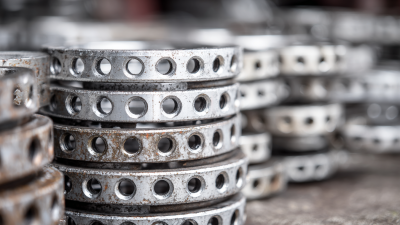
Metal ring gaskets are another option. They provide exceptional sealing for high-pressure vessels. But, they require precise machining to avoid leaks.
Tips: Regular maintenance can prolong gasket life. Inspect gaskets periodically for signs of wear.
Address issues promptly to prevent larger problems.
Factors to Consider When Choosing a Stainless Steel Gasket
When selecting a stainless steel gasket, several factors come into play.
Material thickness is crucial. Thicker gaskets can handle higher pressures.
However, they might not fit in tighter spaces. A balance is essential. Consider the environment where the gasket will be used.
Extreme temperatures and corrosive chemicals can impact performance.
The design of the gasket also matters. Spiral wound and rubber-coated types serve different purposes.
Spiral gaskets offer flexibility, while rubber coatings provide extra protection. Evaluate the application to ensure compatibility.
It’s not just about the material, but also the right shape and size.
Keep in mind the installation process. Some gaskets are easier to install than others.
Misalignment can lead to leaks. Additionally, think about maintenance needs.
Regular checks can help prolong their lifespan. Consider all these factors carefully to make an informed choice.
Maintenance Tips for Long-Lasting Stainless Steel Gaskets
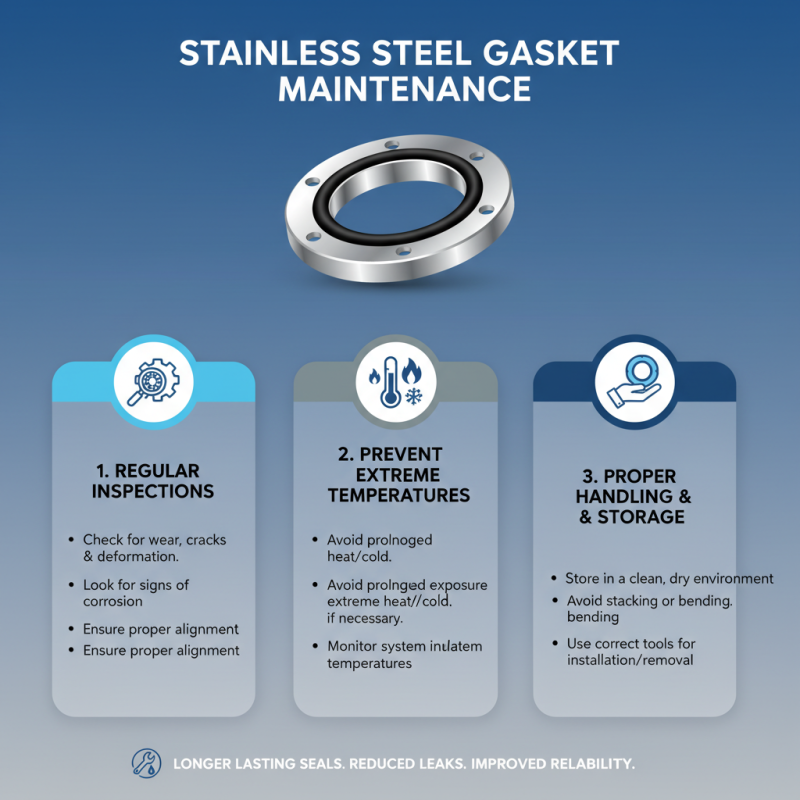
Stainless steel gaskets are essential components in various industries, providing excellent sealing solutions. To ensure their longevity, following proper maintenance practices is crucial. Regular inspections can help identify wear and tear before issues escalate. For example, extreme temperatures can warp gaskets, leading to leaks.
Here are a few maintenance tips:
1. **Clean Regularly**: Use mild detergents to clean the gaskets. Avoid harsh chemicals that can corrode the stainless steel.
2. **Check Torque Specifications**: Re-torque flange bolts according to industry guidelines. This can help maintain the integrity of the seal.
3. **Inspect for Corrosion**: Regular checks can catch early signs of corrosion. Addressing minor issues can prevent major failures.
According to industry reports, proper maintenance can extend the lifespan of stainless steel gaskets by up to 50%. However, many overlook these simple practices. Often, users ignore the importance of routine checks. This oversight can lead to costly downtimes. Remember, even the best gaskets require care. Taking time for maintenance can save time and resources in the long run.