How to Choose the Right Stamped Sheet Metal for Your Project?
Choosing the right stamped sheet metal for your project is crucial. In 2021, the global stamped sheet metal market was valued at approximately $30 billion, according to industry analysts. This figure highlights the growing demand within various sectors such as automotive and aerospace. However, many project managers find it challenging to select the right type due to the diversity in options available.
Expert Tom Harris, a leading authority in the stamped metal industry, states, “The key to a successful project lies in understanding material applications and performance profiles.” This insight serves as a reminder that each project has unique requirements. While some may focus solely on cost, others must consider factors like material thickness and finish. Neglecting these details can lead to problems down the line, compromising the project’s integrity.
Choosing stamped sheet metal is not just a matter of preference. It requires an informed decision-making process. The variations in material properties and manufacturing techniques can significantly influence the final outcome. It’s essential to reflect on each detail before making a choice.
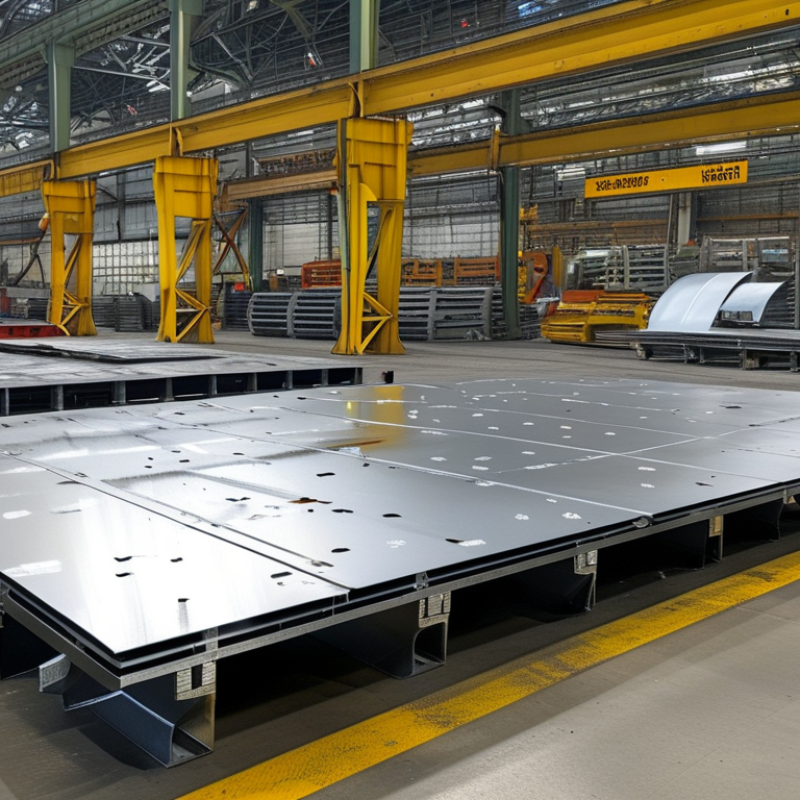
Understanding Stamped Sheet Metal Types and Their Applications
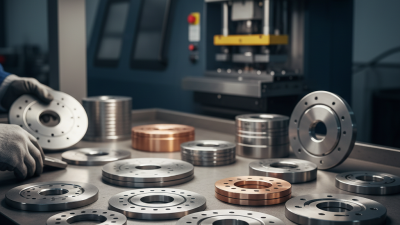
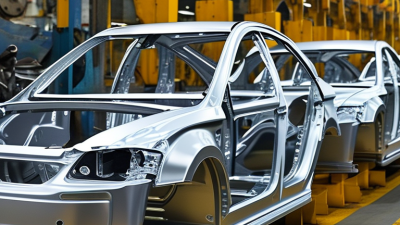
When selecting stamped sheet metal, understanding the various types is crucial. Each type serves distinct applications, shaping the success of your project. Common types include aluminum, steel, and copper, each offering unique properties that influence their use. Aluminum is lightweight, resistant to corrosion, and ideal for aerospace projects. Steel, on the other hand, is strong and often used in automotive parts. Copper, known for its conductivity, finds applications in electrical components.
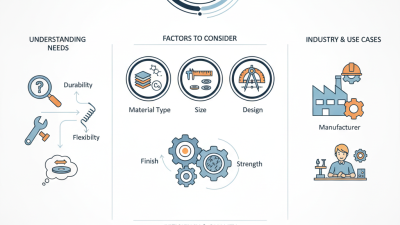
Consider your project's requirements before choosing a material. The thickness of the sheet can impact its durability and functionality. Thicker sheets provide strength but may be heavier, affecting the design. Reflect on the environment where the metal will be used. Will it face moisture or extreme temperatures? These factors can alter your choice of metal.
Experience in working with different stamped sheet alloys can refine your decision-making process. Take note of supplier capabilities and their expertise. Ask about their production processes and quality control measures. This knowledge can help ensure you receive reliable materials. Making an informed choice allows you to align your project goals with the ideal stamped sheet metal type.
Assessing Material Thickness and Weight for Your Project Needs
When selecting stamped sheet metal, understanding material thickness and weight is crucial. Choose a thickness that aligns with your project’s strength requirements. Thin sheets are lightweight and easy to work with, ideal for simple projects. However, they may not withstand high stress or impact well. A thicker sheet will offer better durability but adds weight, which can complicate installation.
Consider the end use of the metal. For outdoor applications, corrosion resistance may also play a role. Heavier materials can resist bending and deformation but can increase production and transportation costs. It’s essential to reflect on the balance between required strength and practicality. If you’re unsure, consulting with a specialist can provide insights tailored to your project’s needs.
Managing weight is not only about the material itself but also how it influences design. A heavy sheet might require more robust supporting structures. Test different thicknesses before finalizing your choice. This trial-and-error approach can prevent costly mistakes in the long run. Ultimately, selecting the right stamped sheet metal involves both strategic planning and flexibility in design.
Material Thickness vs. Weight of Stamped Sheet Metal
Evaluating Mechanical Properties of Stamped Sheet Metals
When assessing the mechanical properties of stamped sheet metals, it's crucial to focus on factors such as tensile strength, yield strength, and ductility. These properties determine how well the metal will perform under different loading conditions. For example, tensile strength measures the metal’s ability to withstand pulling forces. A higher tensile strength means the material will resist deformation better.
Ductility is another essential characteristic. It indicates how much the metal can stretch without breaking. Materials with good ductility can be bent and shaped easily during the stamping process. However, not all stamped sheets possess ideal ductility. Some may become brittle, leading to cracks. Thorough testing is necessary to ensure the selected metal meets the project’s requirements.
Evaluating these properties often involves stress testing and analysis. Engineers should also consider the effects of temperature and environment. These factors can impact the performance of the metal. The project’s specific needs will dictate which properties to prioritize. Keeping these evaluations in mind can lead to better design choices and more durable products.
Considering Surface Treatments and Finishes in Stamped Metal Choices
When selecting stamped sheet metal for a project, surface treatments and finishes are crucial factors. According to a study from the Metal Finishing Institute, nearly 75% of users overlook the importance of finishing options. This can lead to suboptimal results in durability, appearance, and function. Different treatments, such as anodizing or powder coating, can enhance corrosion resistance and aesthetic appeal.
Tips: Always evaluate the environment in which the metal will be used. For outdoor applications, consider treatments that resist UV damage. Additionally, be mindful of the ongoing costs of maintenance based on the chosen finish.
Certain finishes may improve conductivity for electrical applications, while others might reduce friction for mechanical uses. However, selecting the perfect choice requires an understanding of the trade-offs. Some finishes may be appealing but more expensive. Research indicates that about 40% of metal components fail prematurely due to incorrect finishing choices. A thorough analysis of your project’s specific needs is essential.
Analyzing Cost Factors and Availability of Stamped Sheet Metals
When analyzing the cost factors of stamped sheet metals, several aspects come into play. The thickness and type of material can significantly affect the price. For instance, a thicker sheet metal may yield higher costs due to additional resources required in production. Moreover, specific alloys can also increase expenses based on their unique properties and availability.
Availability plays a critical role in project planning. Some stamped sheet metals may have limited stock due to manufacturing constraints. Lead times can vary, affecting project deadlines. It's essential to check with multiple suppliers to compare options. A lack of immediate availability might push projects back or force adjustments to designs.
In this context, it's worth noting that not all metals are equally accessible. Sometimes, local suppliers may not carry specific grades. This can lead to unexpected costs in shipping and handling. Careful investigation into local resources is necessary. Relying solely on price assessments without considering availability can lead to complications and delays in projects. Balancing these factors is vital for a successful outcome.