How to Determine the Right Lip Seal Dimensions for Your Needs?
Choosing the right Lip Seal Dimensions is crucial for ensuring optimal performance in various applications. Expert engineer John Smith, known for his work in sealing technologies, states, "The accuracy of lip seal dimensions directly affects the efficiency of any machinery." Understanding these dimensions is not just about numbers; it's about precise engineering.
Many factors influence Lip Seal Dimensions. These include the shaft diameter, housing depth, and operating conditions. Small errors in measurements can lead to significant performance issues. For example, a mismatched seal can result in leaks, causing operational inefficiencies.
It's essential to consult with industry professionals or manufacturers for guidance. This ensures that the selected dimensions will work appropriately for specific environments. The right dimensions enhance durability and reduce maintenance needs. However, it’s a mistake to overlook the unique requirements of each application. Careful consideration and expert input are vital for achieving the best results with lip seals.
Understanding the Basics of Lip Seals and Their Functions
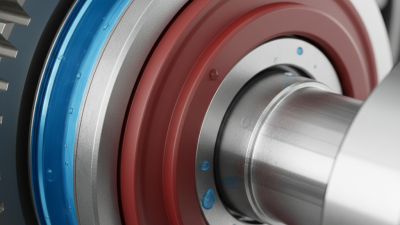
Lip seals play a crucial role in various mechanical applications. They prevent the leakage of fluids and dirt from entering machinery. Understanding their basic functions can help in selecting the right dimensions for specific needs. The lip design creates a contact seal with a surface, providing effective sealing performance under challenging conditions.
Choosing the correct lip seal size is essential. An improperly sized seal may result in leaks or early wear. Accuracy in measurement is critical. Be aware that environmental factors also affect seal performance, including temperature and pressure.
Tips: Measure the shaft diameter precisely. Avoid assuming that all seals fit standard sizes. Keep a record of the operating conditions to ensure the selected seal can withstand them. Regular maintenance is vital, as wear can occur over time, impacting the seal's effectiveness. Always consult with industry experts if uncertain about the dimensions required for optimal performance.
Understanding Lip Seal Dimensions
This chart illustrates the typical dimensions for lip seals, including inner and outer diameters, width, and material hardness. Understanding these dimensions is crucial in selecting the right lip seal for various applications.
Factors to Consider When Selecting Lip Seal Dimensions
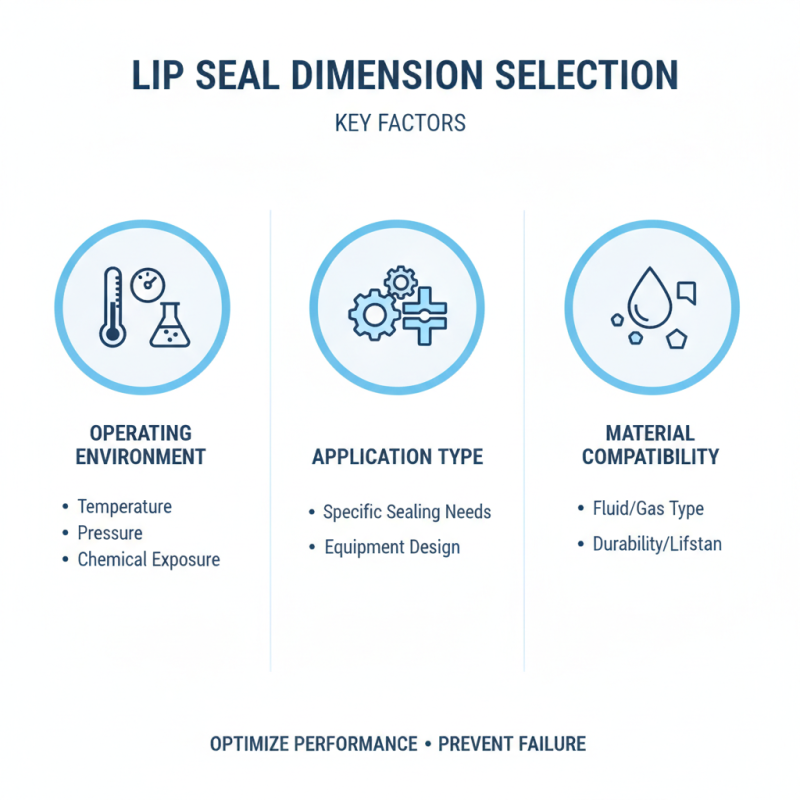
When selecting lip seal dimensions, several factors play a crucial role. The operating environment is vital. Consider temperature, pressure, and exposure to chemicals. Each factor can significantly impact the seal's performance and lifespan. It's also important to examine the application. Different applications require specific sealing solutions. Misjudging these needs can lead to premature failure.
Material selection is another key element. The type of material affects durability and compatibility. Some materials work better with certain substances. This can be tricky, as the wrong choice can lead to leaks or seal breakdown. Assessing the compatibility of the seal with the substances it will encounter is essential.
Tips: Measure the housing accurately before making a selection. Small discrepancies can lead to poor sealing performance. Additionally, consulting with experts can enhance decision-making. They can provide insights based on experience and specialized knowledge. Don't hesitate to reflect on previous choices and learn from any mistakes made. This can guide you to better outcomes in the future.
Step-by-Step Guide to Measuring for Lip Seal Installation
Measuring for lip seal installation is crucial for performance. It begins with identifying the application and the environment where the seal will function. Taking accurate measurements ensures that the seal fits securely, preventing leaks and enhancing equipment efficiency. Consider the diameter, width, and depth of the groove where the seal will sit. Each specific dimension plays a role in how well the seal will hold up under various pressures and temperatures.
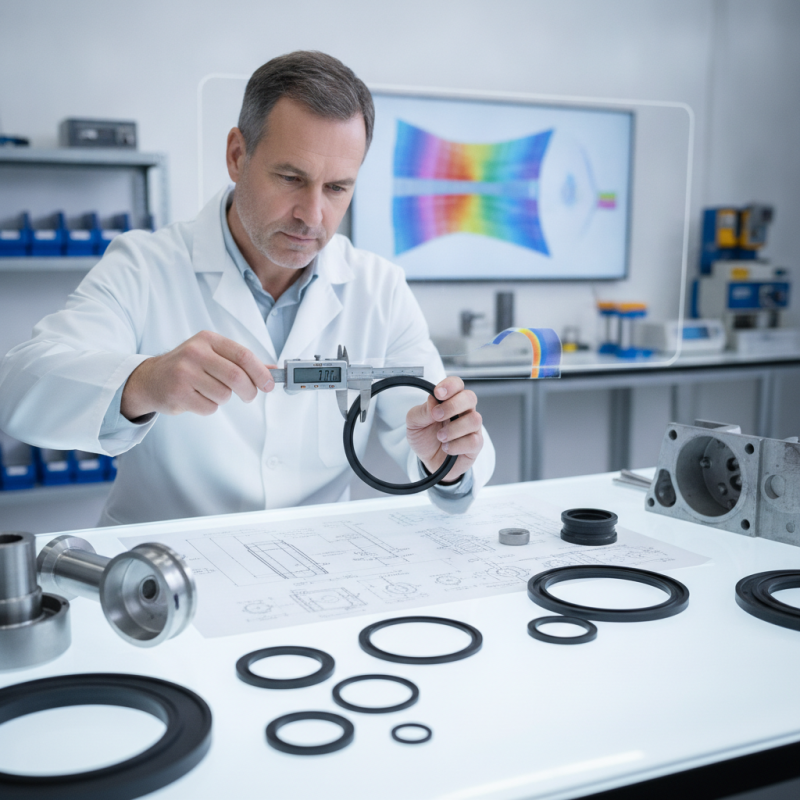
Next, use proper tools for measurement, such as calipers, to ensure precision. Measure the inner and outer diameters, as well as the groove width. It’s important to double-check your measurements. Mistakes can lead to complications during installation. Note that the material of the seal also matters. Different materials react differently to heat and chemicals. Ensure compatibility for the best results.
Keep in mind that there may be scenarios where the standard dimensions do not fit. Custom seals might be necessary. Reflect on whether you need to collaborate with a specialist. Their expertise can help you avoid costly errors. Understanding these details might require time and effort, but the results are worth it.
Common Mistakes to Avoid When Determining Lip Seal Size
Selecting the right lip seal dimensions can be challenging. Many engineers misunderstand the importance of accurate sizing. A report from the Society of Tribologists and Lubrication Engineers indicates that improperly sized seals can lead to premature failure in machinery. Common mistakes often arise from incorrect measurements or overlooking environmental conditions.
When determining the size, always consider the application’s operational temperature and pressure. These factors significantly influence seal performance. According to a study by the American Society of Mechanical Engineers, seals operating under high temperatures can expand, altering their effectiveness. Failing to account for such changes can result in leaks and damage.
Tip: Always consult manufacturer specifications and industry standards. Measuring accurately and accounting for the application environment can mitigate sizing errors. Engaging with a seal supplier or expert can provide valuable insights. Often, professionals encounter issues due to a lack of precise measurement tools. Investing time in proper measurement techniques pays off in the long run.
Evaluating Material Compatibility for Optimal Lip Seal Performance
Selecting the right lip seal dimensions is crucial for ensuring its effectiveness. A key factor in this process is evaluating material compatibility. Different materials react uniquely to various fluids and temperatures. Understanding these interactions can prevent seal failure and enhance performance.
For instance, rubber seals perform well in standard conditions but may degrade in extreme temperatures. In contrast, silicone provides better elasticity but might not withstand certain chemicals. Selecting the wrong material can lead to leaks and costly repairs. Therefore, it’s essential to analyze operating conditions and fluid characteristics before making a choice.
Testing materials in real-world scenarios can reveal compatibility issues. Observing seals in actual applications helps identify challenges. This hands-on evaluation allows for adjustments and improvements. Such practical insights are invaluable in ensuring the long-term functionality of lip seals. Assessing material compatibility is not just recommended; it is necessary for sustained performance.
How to Determine the Right Lip Seal Dimensions for Your Needs?
| Seal Type |
Material |
Temperature Range (°C) |
Pressure Rating (bar) |
Compatibility |
| Standard Lip Seal |
Nitrile (NBR) |
-30 to 100 |
10 |
Oil, Water |
| High-Temperature Seal |
Fluoroelastomer (FKM) |
-20 to 200 |
25 |
Oil, Chemicals |
| Heavy-Duty Seal |
Polyurethane (PU) |
-30 to 80 |
15 |
Hydraulic Fluids, Water |
| Chemical Resistant Seal |
EPDM |
-40 to 120 |
8 |
Aqueous Solutions, Steam |
| Food Grade Seal |
Silicone |
-60 to 200 |
5 |
Food, Beverage |