What is Gas Pipeline Gaskets and How Are They Used?
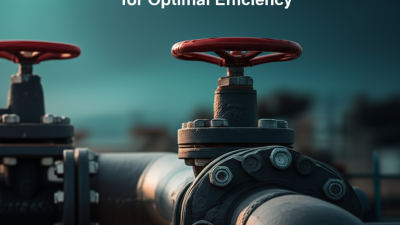
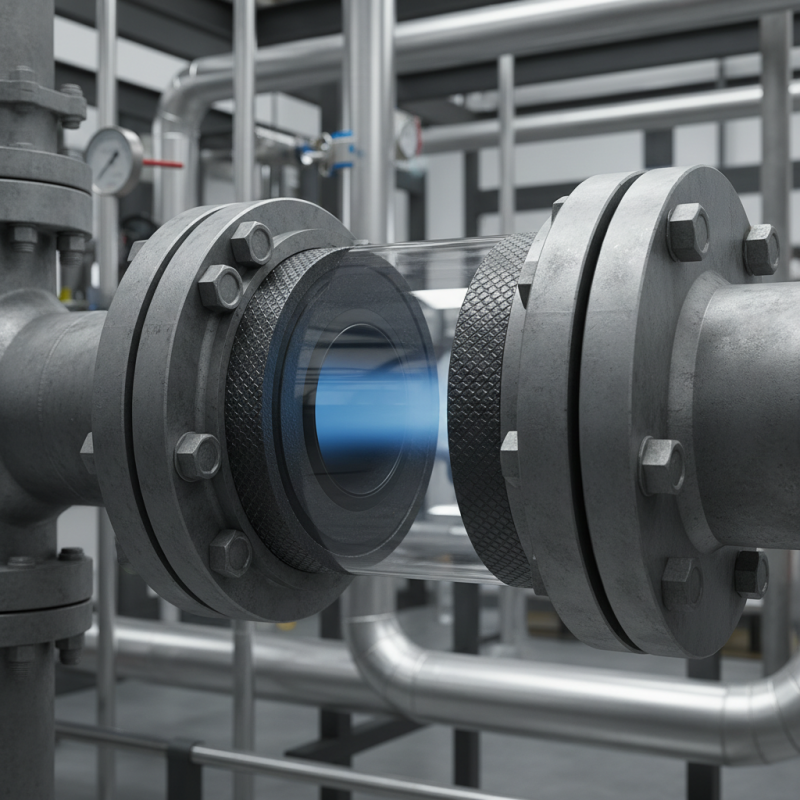
Gas Pipeline Gaskets play a crucial role in ensuring the safety and efficiency of gas transportation systems. According to John Markson, a leading expert in pipeline engineering, "The integrity of gaskets can prevent catastrophic leaks and enhance system reliability." These gaskets are essential components that provide a seal between the pipe joints. They are designed to withstand high pressure and temperature, ensuring that no gas escapes during transit.
The use of Gas Pipeline Gaskets involves careful selection based on material and application. Different gaskets are required for various types of gas and operating conditions. Without proper sealing, gas leakage can lead to significant safety risks and costly damage. Moreover, improper installation or material degradation can compromise the pipeline's overall system. Regular maintenance is vital to address these issues.
In the complex world of gas pipelines, understanding gaskets is essential. Many overlook their importance until a problem arises. Gas Pipeline Gaskets are not just simple seals; they are critical to the pipeline's safety framework. Reflecting on their role encourages a deeper appreciation for the engineering behind gas transport.
Overview of Gas Pipeline Gaskets and Their Importance
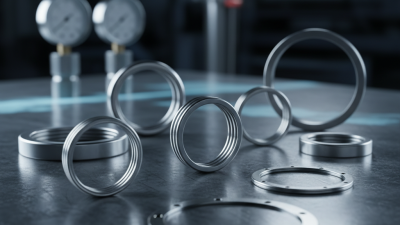
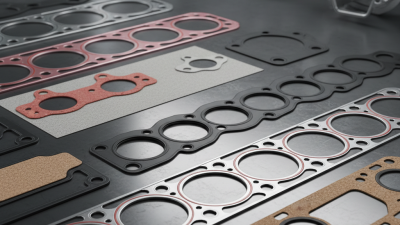
Gas pipeline gaskets serve a critical role in maintaining the integrity of gas transportation systems. These components create seals between various surfaces, preventing leaks that could lead to environmental hazards or safety issues. Gaskets are made from materials like rubber, metal, or composite compounds, chosen based on operating conditions such as temperature and pressure.
The importance of gas pipeline gaskets cannot be overstated. They contribute to the overall efficiency of gas systems by minimizing the risk of leakage. A small compromise in a gasket's quality can lead to significant issues. This highlights the need for thorough inspection and maintenance practices. Regular assessments ensure that gaskets remain functional and reliable.
Proper installation further strengthens the effectiveness of gaskets. Each gasket must suit its specific application and be installed by knowledgeable personnel. Misalignment or incorrect pressure can compromise performance. Investing in quality materials and skilled labor may seem costly, but it significantly reduces long-term risks.
Types of Gaskets Used in Gas Pipelines
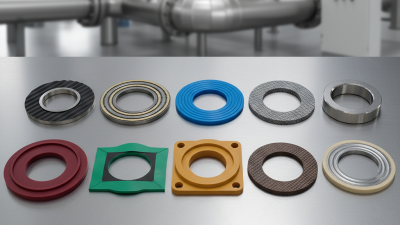
Gas pipelines rely heavily on various types of gaskets for safe and efficient operation. The choice of gasket materials is critical. Commonly used types include rubber gaskets, metal gaskets, and composite gaskets. Each type serves specific purposes and has unique performance characteristics. For example, rubber gaskets are flexible and can provide a good seal under moderate pressure. According to a recent industry report, approximately 30% of gasket failures in gas pipelines arise from improper material selection.
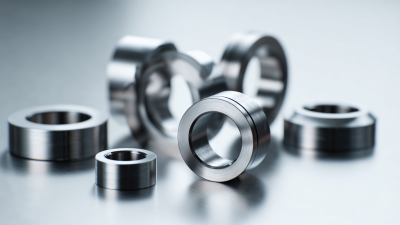
Metal gaskets are often used in high-pressure situations. They can withstand extreme temperatures and pressures, making them suitable for demanding environments. The American Society of Mechanical Engineers (ASME) notes that properly selected metal gaskets can reduce leakage rates by up to 90%. Composite gaskets blend materials to offer benefits from both rubber and metal. Recommended for many gas pipeline applications, they can adapt better to thermal expansion and contraction.
Choosing the right gasket involves balancing cost, durability, and safety. The wrong selection can lead to significant issues, including leaks and health hazards. Industry data indicates that over 25% of gas pipeline incidents are related to gasket failures. It highlights the need for careful evaluation. Regular maintenance inspections are essential to ensure gasket integrity. Ignoring this aspect may lead to unexpected shutdowns and costly repairs.
Gas Pipeline Gaskets Usage by Type
Materials Commonly Used for Manufacturing Gaskets
Gaskets play a crucial role in gas pipelines, ensuring leak-proof seals between different components. Various materials are employed in their manufacturing, impacting durability and performance. Common materials include rubber, PTFE (polytetrafluoroethylene), and metal. Each material has specific properties, making it suitable for various applications.
Rubber gaskets are frequently used due to their flexibility and resistance to compression. They are ideal for lower-pressure applications. However, they may degrade over time when exposed to extreme temperatures or aggressive chemicals. According to a recent industry report, around 40% of gasket failures are attributed to material degradation, emphasizing the need for careful material selection.
PTFE gaskets offer superior chemical resistance and can withstand higher temperatures. They are often recommended for more demanding environments. However, they tend to be more expensive and may require special installation techniques. Metal gaskets provide robustness in high-pressure situations. Their performance largely depends on the correct choice of metal and thickness. In fact, a study highlighted that improper gasket material can lead to failure rates of up to 30%. The selection of the right material is pivotal for maintenance and reliability in gas pipeline systems.
Installation Procedures for Gas Pipeline Gaskets
Gas pipeline gaskets are essential for ensuring a leak-free connection in piping systems that handle various gases. Proper installation of these gaskets is crucial for safety and efficiency. The process begins with selecting the right gasket material based on the type of gas. Common materials include rubber, PTFE, and metal. Each type serves different pressure and temperature conditions.
Before installation, the surfaces of the flanges must be cleaned thoroughly. Any debris or dirt can compromise the seal and lead to failures. Technicians often use a wire brush or solvent for this task. Once the surfaces are prepared, the gasket is positioned on the flange. Aligning the holes to ensure a perfect fit is essential. Tension must be applied evenly when fastening the bolts to avoid uneven stress on the gasket.
It’s important to check for leaks after the installation. This can be done using soapy water or specialized leak detection systems. If a leak is detected, re-evaluating the gasket installation may be necessary. Sometimes, issues arise from over-tightening or under-tightening the bolts. Regular inspections contribute to the longevity of gas pipeline systems, preventing potential accidents. Therefore, investing time in proper installation is crucial for operational safety.
Maintenance and Inspection Practices for Gasket Integrity
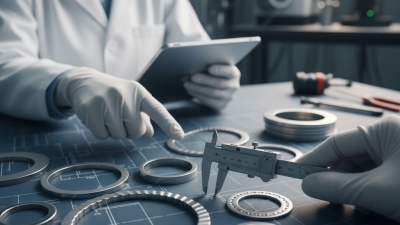
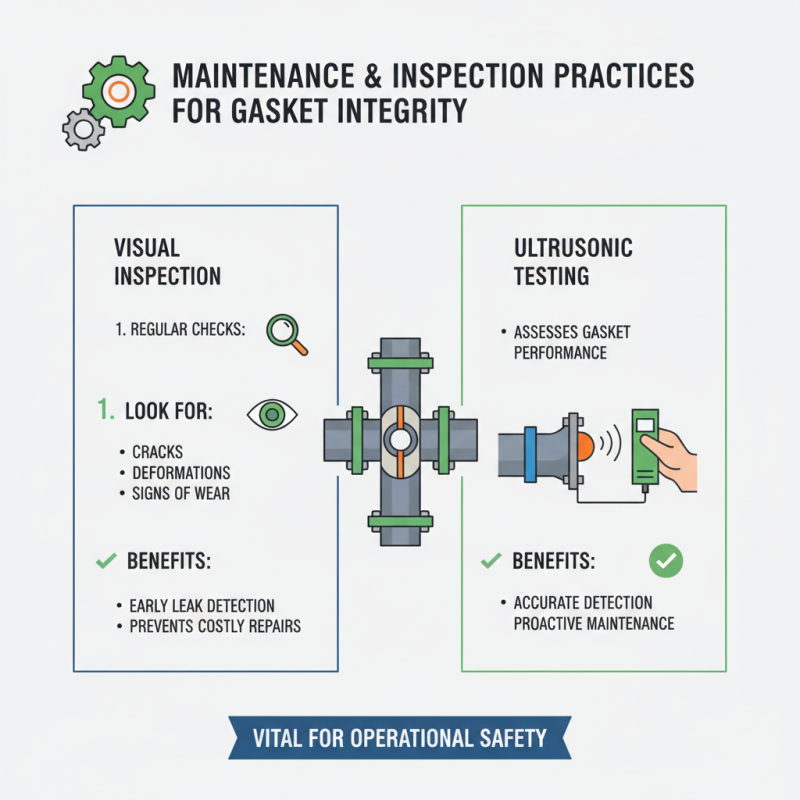
Maintenance and inspection of gasket integrity in gas pipelines are vital for operational safety. Regular checks help detect leaks and potential failures. Inspectors should look for signs of wear, such as cracks or deformations. These visual inspections can reveal issues early, preventing costly repairs. Technicians often use ultrasonic testing as an effective method to assess gasket performance.
Another crucial practice involves monitoring the operating environment. Factors like temperature and pressure fluctuations can impact gasket longevity. It is essential to ensure that gaskets are suitable for the specific conditions they face. Over time, gaskets may degrade due to exposure to different substances. Documenting these changes helps in understanding their lifecycle and performance.
Despite rigorous maintenance, issues can still arise. Human error during installation can lead to improper sealing. This highlights the need for ongoing training for personnel involved. Regular workshops can improve their skills and knowledge. In the end, a proactive approach to gasket maintenance fosters a safer and more efficient pipeline operation.