What are the Standard Lip Seal Dimensions for Global Buyers?
Understanding standard lip seal dimensions is crucial for global buyers in the sealing industry. Accurate dimensions influence performance and longevity in applications ranging from automotive to industrial machinery. According to a recent report by the Sealing Solutions Association, nearly 70% of seal failures are attributed to dimension discrepancies. Industry expert Dr. Jane Thompson emphasizes, "Precision in lip seal dimensions is vital for reliable operation and reduced downtime."
The standardization of lip seal dimensions helps buyers select appropriate seals for their needs. Variations in manufacturing can lead to complications. Companies relying on non-standard sizes may face installation issues or premature seal failure. Research shows that standardized seals lead to efficiency gains of up to 30%. However, achieving perfect standards remains a challenge due to diverse manufacturing practices globally.
Furthermore, the impact of incorrect dimensions can often be overlooked. Buyers should be aware of the potential pitfalls that may arise from inching away from standard measurements. Thoughtfully considering lip seal dimensions will ensure better product performance and cost savings in the long run. By investing time in understanding these key metrics, buyers will enhance their decision-making and ultimately benefit their operations.
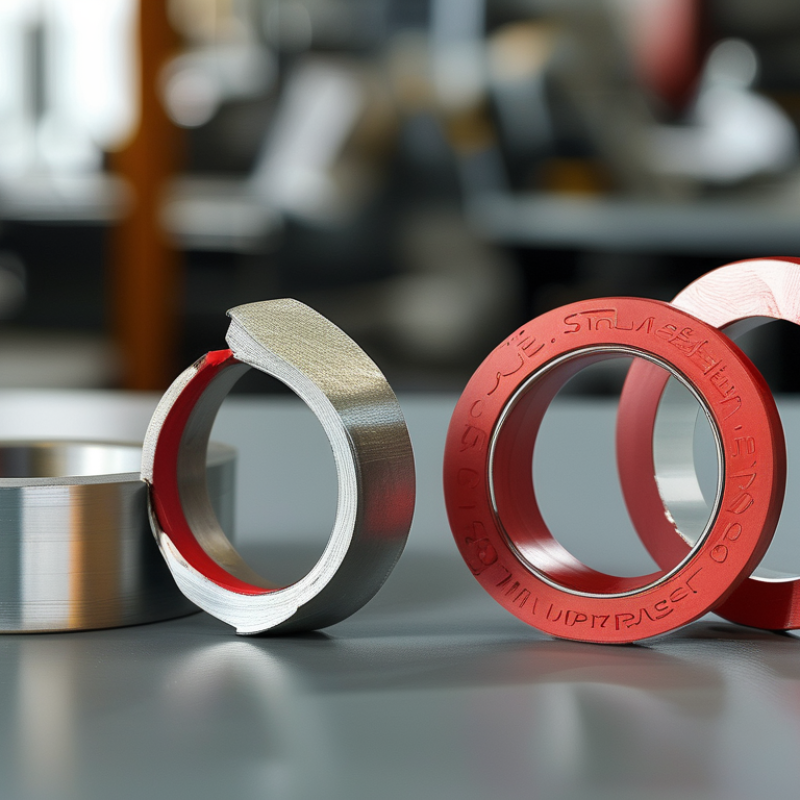
Standard Lip Seal Overview and Functions in Fluid Mechanics
Lip seals play a crucial role in fluid mechanics. They help to create a barrier, preventing fluid leakage in various applications. A well-designed lip seal maintains the integrity of systems using oils or coolants, essential for machinery longevity. The design includes a flexible lip that adapts to different surface conditions, enhancing its sealing capability.
Despite their effectiveness, lip seals can wear over time. Factors like pressure, temperature, and misalignment may reduce their lifespan. Regular checks are important. Users often overlook these details, leading to unexpected failures. Understanding the standard dimensions can help buyers make informed decisions. Proper fit ensures that the seal can perform optimally.
In a global context, standardizing lip seal dimensions simplifies procurement. It allows engineers and technicians to select seals that meet their specific needs without extensive modification. However, each application can have unique requirements. Users must consider the environment where the seal will function. This reflection on individual needs can improve system reliability.
Common Lip Seal Materials and Their Performance Characteristics
When selecting lip seal materials, understanding their performance characteristics is crucial. The most common materials include nitrile rubber, fluorocarbon, and silicone.
Nitrile rubber offers excellent resistance to oils and fuels, making it suitable for various industrial applications. According to a recent industry report, nitrile seals can endure temperatures ranging from -40°C to 100°C. This versatility makes them reliable in many situations.
Fluorocarbon seals are engineered for high-temperature environments. They can typically withstand temperatures up to 200°C. This performance is vital for demanding applications such as automotive and aerospace. However, they may not be as effective against certain chemicals. It’s important to evaluate the specific conditions they will face.
**Tips:** Always consider the operating environment when selecting a lip seal material. Testing in real conditions can reveal performance limitations. Additionally, remember that even the best materials can degrade over time. Regular inspection and maintenance are essential to avoid unexpected failures.
Key Manufacturing Standards for Lip Seals: ISO and AS568 Dimensions
When choosing lip seals, understanding the key manufacturing standards is crucial. ISO and AS568 dimensions are widely accepted in the industry. These standards define the sizes and tolerances for lip seals, ensuring compatibility across various applications. A report by the International Organization for Standardization indicates that over 80% of manufacturers rely on these dimensions for their production.
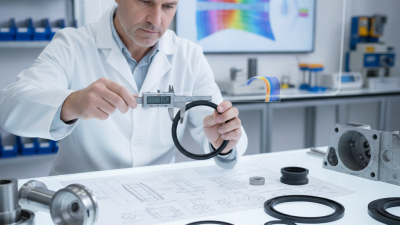
Manufacturers often overlook the significance of proper lip seal dimensions. An incorrect size can lead to leaks, increased wear, and premature failure. According to a study published in the Journal of Mechanical Engineering, misalignments in seal dimensions can reduce equipment lifespan by up to 30%. It is important to take precise measurements before initiating production.
Tips: Always verify the specifications with trusted industry resources. Doing so can prevent costly mistakes. Regular checks of the seals during maintenance can save time and resources. Ensuring dimensional accuracy in production can enhance overall performance.
Standard Lip Seal Dimensions for Global Buyers
This chart illustrates the standard lip seal dimensions according to various manufacturing standards (ISO and AS568). The data represents the diameters of the seals in millimeters for different standards, which are crucial for global buyers when selecting the appropriate seals for their applications.
Typical Dimensions for Lip Seals: Sizes and Tolerances Explained
Lip seals are crucial components in various machinery, providing essential functions in preventing leaks. Typical dimensions for lip seals vary based on application, but common sizes include diameters from 6 mm to over 1000 mm. Reports from the American Society of Mechanical Engineers indicate that tolerances are typically within ±0.3 mm for diameters and ±0.1 mm for thickness. Adhering to these specifications can enhance sealing efficiency and prolong the lifespan of machinery.
The importance of proper dimensions cannot be overstated. Even a slight deviation can lead to detrimental results. For example, seals that are too tight may cause premature wear. On the other hand, overly loose seals can lead to fluid leakage. The selection of materials also plays a role. Inappropriate materials can cause seals to degrade under specific operating conditions. Not all lip seals can handle high temperatures or chemical exposure. Buyers must prioritize reliable data and engineering insights when choosing seal specifications.
Understanding tolerances is essential for achieving optimal performance. Designers often prefer tighter tolerances for critical applications. Reports suggest that industry standards provide guidelines, but they may not cover all scenarios. Some unique applications may require custom dimensions. A reflection on standard practices is necessary. As industries evolve, so should the approaches to sizing and tolerances in lip seals to meet new challenges effectively.
Global Variations in Lip Seal Specifications and Market Demands
Lip seals are essential components in various industries, impacting efficiency and reliability. Global variations in lip seal specifications reflect the diverse demands of different markets. A manufacturer in Asia may require different material grades compared to a European buyer. Variability occurs due to climate, application, and existing hardware compatibility. Understanding these factors is crucial for effective sourcing.
When navigating lip seal dimensions, keep installation requirements in mind. Double-check existing designs to avoid measurement errors. Small discrepancies can lead to leaks or failures. Make sure the seals perform well in the intended environment. Conduct tests to ensure they meet performance expectations.
It’s not uncommon for buyers to overlook the importance of local standards. Inconsistent terminology can cause confusion. Consider engaging with local experts to clarify specifications. This approach helps align products with regional requirements. Always listen to feedback from users. Their insights can guide future design improvements.