Top 10 Steel Cutting Disc Tips for Global Buyers to Know
When it comes to choosing the right Steel Cutting Disc, global buyers face unique challenges. The market offers a multitude of options, each tailored for different applications and materials. Understanding these differences is crucial for making informed decisions. Selecting the right disc can enhance productivity and ensure safety in various cutting tasks.
Buyers should consider factors such as disc diameter, thickness, and abrasiveness. Each characteristic plays a significant role in performance. A well-chosen Steel Cutting Disc can optimize cutting speed and reduce wear. Conversely, a poor selection might lead to ineffective results and increased costs.
Quality assurance is another vital aspect to contemplate. Reliable manufacturers often provide detailed specifications and safety guidelines. This information helps buyers make better choices and avoid potential mishaps. Prioritizing these aspects fosters a more rewarding cutting experience, ensuring that investments yield the desired results.
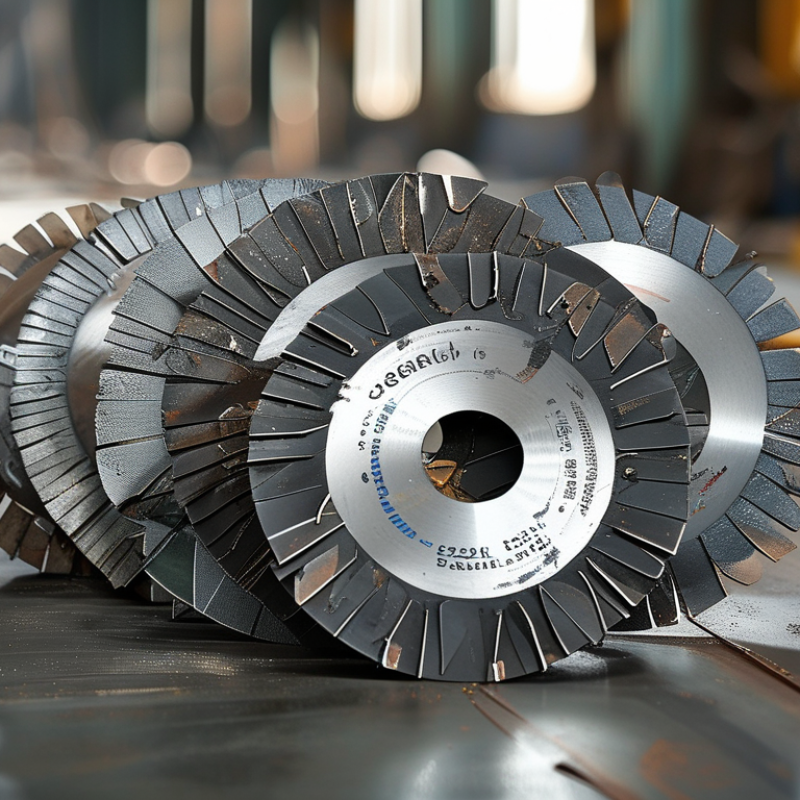
Understanding Different Types of Steel Cutting Discs
When selecting the right steel cutting disc, understanding its types is crucial. The two main categories are abrasive discs and diamond blades. Abrasive discs are typically made of composite materials. They work well for general cutting tasks, but they may wear out quickly. According to a report by Grand View Research, the global cutting tools market is projected to grow at a CAGR of 6.2% from 2021 to 2028. This growth highlights the importance of choosing the right tools for efficiency.
Diamond blades are another popular option. They feature diamond segments on the edge, allowing for precise cuts in tough materials. While they can be more expensive, their longevity and cutting speed often justify the investment. A study from Market Research Future indicates that the demand for diamond blades is on the rise, particularly in construction and metalworking industries.
Buyers should weigh cost against performance. Lower-priced abrasive discs may seem attractive, but they could lead to frequent replacements. Experiencing frequent disc wear might lead to increased operational costs in the long run. Assessing your project requirements is vital for making an informed choice. This balance between quality and price is not always easy to find.
Key Factors to Consider When Buying Steel Cutting Discs
When selecting steel cutting discs, buyers should pay attention to several key factors. The type of material used in the disc affects its performance. High-quality materials ensure durability and efficiency. Look for discs made from premium steel or advanced composites. These options often provide better cutting precision and longer life.
Another critical element is the diameter of the disc. Different projects require specific sizes. Using the wrong diameter can lead to safety issues or inefficient cutting. Ensure that the disc fits your tool properly for optimal performance. Additionally, consider the thickness. Thinner discs cut faster but may wear out quickly. Thicker options offer durability but may produce more friction.
Finally, verify the compatibility with your equipment. Not all discs fit every tool. Read specifications carefully. It's essential to match the disc to the grinder or saw being used. This decision impacts not only effectiveness but also safety. Not understanding these factors can lead to costly mistakes and risks during operation. Buyers must educate themselves and seek reliable sources for information.
Essential Tips for Maximizing Cutting Efficiency and Longevity
When using steel cutting discs, maximizing cutting efficiency and longevity is crucial. Here are some tips to enhance your experience.
Choosing the right cutting disc is essential. Discs vary in thickness, material, and design. Thicker discs tend to offer more durability. However, they can be harder to control. Consider the specific metal you're cutting. The composition of the metal can significantly affect how the disc performs.
Maintaining the cutting speed is vital. If you cut too slowly, the disc can overheat. An overheated disc wears out faster. Adjust your pace depending on the material's thickness. Regularly inspecting the condition of the disc is also necessary. Chips or cracks can lead to accidents. Take a moment to evaluate whether the disc still meets safety standards.
Lastly, ensure you're using proper safety gear. Hearing protection and goggles are non-negotiable. It’s easy to overlook safety, but doing so can have serious consequences. A little awareness can provide extra protection. Remember, it's about achieving efficient cuts while prioritizing safety and durability.
Safety Precautions for Using Steel Cutting Discs Effectively
When using steel cutting discs, safety should be a priority. According to industry reports, accidents can lead to severe injuries. In fact, the U.S. Bureau of Labor Statistics states that over 50,000 injuries occur annually related to power tools. Proper precautions are vital to mitigate these risks.
Wearing personal protective equipment (PPE) is essential. This includes safety goggles, gloves, and hearing protection. Eye injuries can happen in milliseconds. A study by the National Institute for Occupational Safety and Health (NIOSH) highlights that 30% of eye injuries are due to flying particles. Taking simple measures can significantly reduce the likelihood of such events.
Maintaining the cutting discs is crucial too. Discs should be inspected for cracks and wear before use. Studies show that using damaged discs increases the risk of breakage. A 2019 safety report indicated that 60% of disc failures could be avoided with regular inspections. Users must be aware of their equipment and understand that neglecting these safety protocols could lead to dire consequences.
Top 10 Steel Cutting Disc Tips for Global Buyers
Common Mistakes to Avoid When Selecting Steel Cutting Discs
Choosing the right steel cutting disc can be complex. Many buyers make common mistakes. One major error is overlooking the disc's material and specifications. Not all discs are suitable for every type of steel. Buyers often assume that a thicker disc is always better, but this isn't the case. Thinner discs can cut more efficiently in some situations. Understanding the right application is key.
Another common mistake is neglecting the importance of proper abrasives. Some buyers focus only on price, ignoring quality. The type of abrasive affects the disc's performance and durability. Also, improper storage can damage the discs. Discs stored in humid environments can rust, leading to poor quality cuts. Many fail to consider the compatibility with their cutting tools. Mismatched tools and discs can lead to ineffective cutting and safety hazards.
Buyers should also avoid buying in bulk without understanding their needs. Having too many discs can lead to waste. It’s essential to assess the frequency of use and the types of projects at hand. Doing so prevents unnecessary purchases. Taking time to research different types of cutting discs can save both time and money in the long run.
Top 10 Steel Cutting Disc Tips for Global Buyers to Know - Common Mistakes to Avoid When Selecting Steel Cutting Discs
| Tip Number |
Tip Description |
Common Mistakes |
| 1 |
Understand the Material Type |
Using the wrong disc for the material |
| 2 |
Check the Disc Thickness |
Selecting a disc that is too thick or too thin |
| 3 |
Consider the Cutting Speed |
Ignoring recommended RPM for the machine |
| 4 |
Assess the Bond Type |
Choosing the wrong bond for application |
| 5 |
Evaluate the Disc Diameter |
Using an incompatible disc size |
| 6 |
Prioritize the Cutting Edge |
Overlooking edge wear and tear |
| 7 |
Look for Quality Certifications |
Ignoring standards like ISO or ANSI |
| 8 |
Consult User Reviews |
Choosing based solely on price |
| 9 |
Understand Compatibility with Tools |
Not checking tool compatibility before purchase |
| 10 |
Plan for Cost Efficiency |
Focusing only on upfront costs, ignoring lifespan |