Top China Progressive Die Parts Manufacturer Supplier?
Choosing a top China Progressive Die Parts manufacturer is not a matter of comparing prices alone. Buyers need to examine tool design, material control, production capacity, and inspection records. A stamped part may look simple on a drawing, yet a small burr or dimensional shift can disrupt assembly. Ask how the supplier checks strip layout, punch clearance, and wear during long production runs.
Taiichi Ohno, a manufacturing leader associated with the Toyota Production System, wrote, “Where there is no standard, there can be no kaizen.” That principle fits progressive die production: documented standards make quality problems easier to detect and correct. Request sample inspection reports, material certificates, and clear details about how changes are approved. The answers should be specific, not polished promises.
Look closely at the factory’s process. Are critical dimensions measured with suitable gauges? Are press conditions recorded? Can engineers explain how they respond when a tool begins producing inconsistent parts? These details reveal more than a glossy catalog. Still, no supplier is flawless. Even a capable team can miss a warning sign, and buyers should verify claims through samples and audits.
This guide outlines practical ways to assess China-based Progressive Die Parts suppliers, from engineering support to delivery reliability. The right partner should explain trade-offs plainly and provide evidence for its quality claims. Start with the part requirements, then compare suppliers against the same criteria.
What Progressive Die Parts Are and How They Function
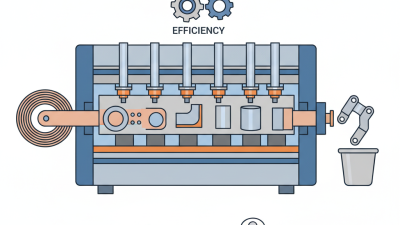
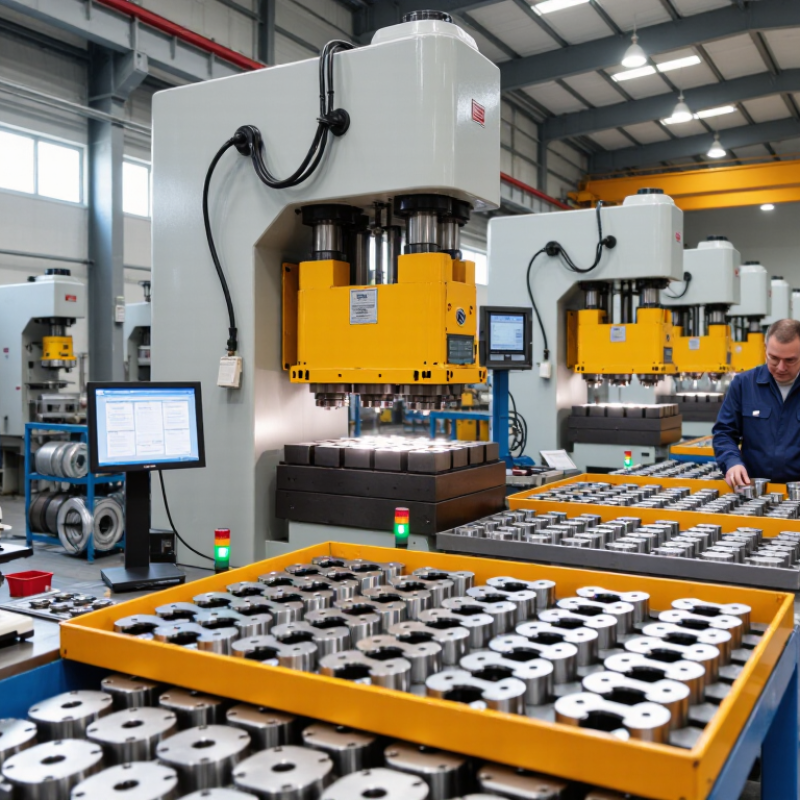
Progressive die parts are the working elements inside a tool that shapes metal strip through a series of stations. The strip advances a measured distance with each press stroke. At one station, a punch may pierce a hole; farther along, forming sections bend an edge or create a shallow feature. A final station can separate the finished part from the remaining strip. Several operations happen in sequence, but the strip stays connected until cutoff.
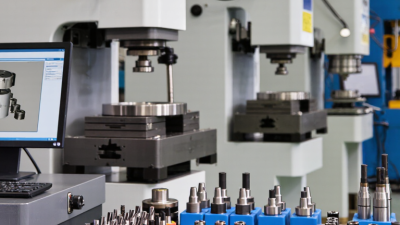
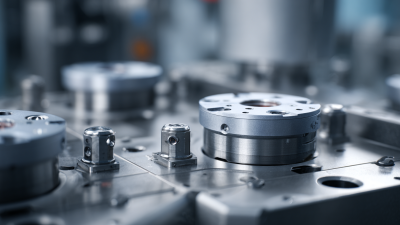
Key components include punches, die buttons or blocks, guide posts, and a stripper plate. Punches apply force to cut or form the material, while die openings support it and define the cut. Guide posts help keep the upper and lower sections aligned. The stripper plate holds the strip during cutting, then releases it as the press returns. Small details matter. A pilot pin can locate existing holes before the next operation, helping control part position. In real production, though, a worn pilot or uneven feed can still cause misalignment. Burr direction, material thickness, and clearance also affect the result. A clean-looking tool does not always mean stable output; inspection and careful setup reveal more.
Key Materials and Manufacturing Processes for Progressive Die Parts
Progressive die parts begin with a material choice matched to the part’s job.
Cold-rolled steel suits many formed components that need consistent strength and surface finish. Stainless steel can help where moisture resistance matters, while copper alloys offer useful electrical conductivity. Aluminum is lighter, but its softness may complicate feeding and forming. Check thickness, temper, grain direction, and material certificates before production. Small variations can affect the finished part.
The strip moves through stations that may pierce, blank, bend, coin, and cut parts free in one press cycle.
Die clearance must suit both the material and its thickness; poor clearance can leave rough edges or accelerate tool wear. Lubrication helps control friction, though the right amount depends on the operation. Heat-treated tooling can resist wear, but it still needs regular inspection. Details matter.
A reliable supplier should verify parts during setup and production, not only at final inspection.
Checks for burr height, hole position, and springback can reveal problems early. A short trial run often exposes feeding issues that drawings cannot show. Tighter tolerances are not always better; they may raise tooling costs without improving how a part performs. That trade-off deserves review.
How to Evaluate a Progressive Die Parts Supplier in China
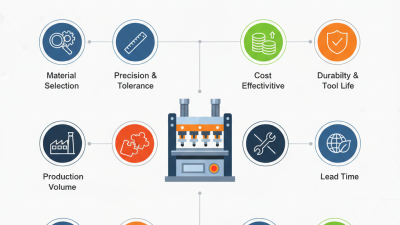
Evaluating a progressive die parts supplier in China requires more than comparing unit prices. Ask how the factory controls strip layout, punch clearance, heat treatment, and die alignment. A capable team should explain these choices using drawings and inspection records. During a recent supplier review, we checked stamped samples under a digital microscope. Burrs were visible along one edge. That small defect exposed weak maintenance discipline. Request material certificates, lot traceability, and dimensional reports tied to each production batch. Confirm whether gauges are calibrated and whether operators record tool adjustments.
Experience matters when parts include tight holes, formed channels, or thin stainless steel. Request a pilot run before approving full production. Measure hole position, flatness, springback, and surface marks across several coils. Do not accept one perfect sample. It may hide variation. Ask for capability data, such as Cpk, but verify the sampling method and measurement system. A reliable supplier will discuss failure risks without defensive language. They should also provide a preventive maintenance schedule, spare punch records, and a clear response plan for rejects.
Visit the workshop, if possible. Look for organized material storage, clean presses, guarded equipment, and visible process instructions. Review how engineering changes are approved and communicated. Communication can fail. A technically strong factory may still lose trust through delayed updates or unclear ownership. English drawings should be confirmed line by line, especially tolerances and revision levels. Price remains relevant, but predictable quality, honest reporting, and stable lead times usually protect total cost better. Leave room for improvement; even a qualified supplier can miss a forming issue during early trials.
Industries and Applications Served by Progressive Die Parts Manufacturers
Progressive die parts support production lines that need repeatable metal components at volume. In automotive systems, stamped brackets, clips, and terminal contacts can be produced through successive forming and piercing stations. Each station adds a controlled feature while the strip advances.
Electrical equipment makers use small copper or steel contacts, grounding pieces, and enclosure fittings. Appliance manufacturers rely on hinges, retainers, and reinforcement plates that must fit during assembly. These parts often look simple. Their edge condition, hole position, and springback can still affect installation.
In construction hardware, telecommunications equipment, and industrial machinery, progressive die components help reduce handling between operations. A capable supplier checks material thickness, burr direction, coating needs, and dimensional tolerances against the drawing before tool release. Prototype trials and first-article measurements reveal problems early, though production wear can still shift results. Buyers should share expected volume and operating conditions; otherwise, a technically sound part may miss the real need.