Leave Your Message

2026 Best Progressive Die Parts Manufacturers?

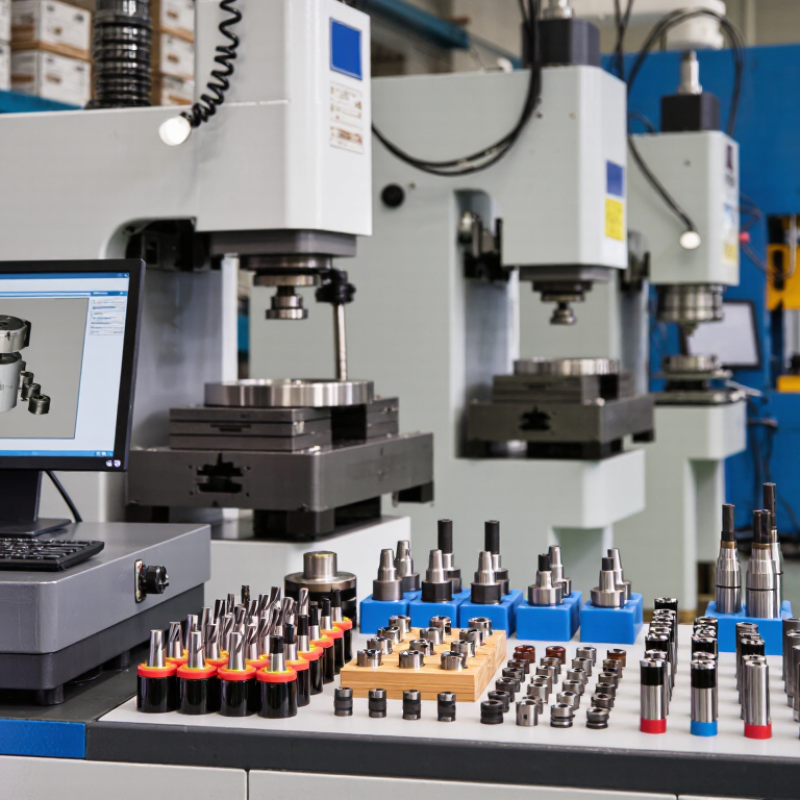
Choosing the 2026 Best Progressive Die Parts Manufacturers requires more than comparing catalog prices. Progressive Die Parts must perform through repeated stamping cycles, tight tolerances, and demanding production schedules. A reliable manufacturer should show practical experience with punches, dies, pilots, retainers, springs, and custom components. Clear drawings matter.

This guide examines manufacturers through measurable evidence. We consider material grades, heat-treatment controls, surface finishing, dimensional inspection, and replacement consistency. Suppliers with coordinate-measuring equipment and documented quality procedures deserve closer attention. So do companies that explain lead times honestly, rather than promising everything immediately. Technical support also matters when a part fails during setup or begins wearing near a critical edge.

Real factory conditions can expose weaknesses that brochures hide. A hardened punch may look excellent but still chip after thousands of cycles. A polished surface may reduce friction, yet it cannot correct poor alignment. Buyers should request sample reports, tolerance records, packaging details, and traceability information before approving production. Independent testing remains valuable.

There is no universal winner. Material thickness, press speed, tool design, and service expectations change the answer. Some rankings may also rely on incomplete public information. That deserves caution. This introduction therefore treats manufacturer selection as a practical comparison, not a fixed verdict. The strongest candidates combine repeatable quality, responsive engineering, realistic delivery promises, and evidence from comparable applications. That balance can protect uptime, reduce unplanned maintenance, and support safer, more predictable stamping operations in 2026.
2026 Best Progressive Die Parts Manufacturers?

What Are Progressive Die Parts and Why Do They Matter?

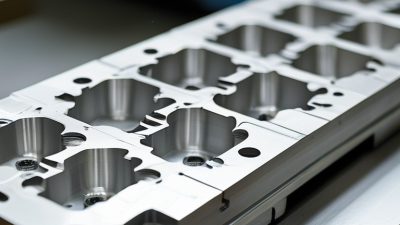
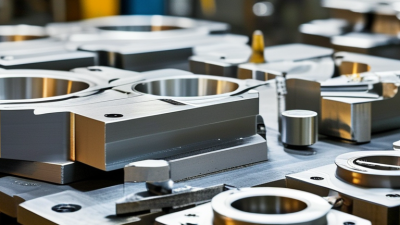
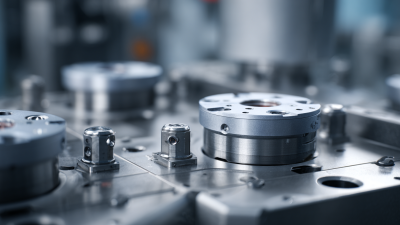
Progressive die parts are the working elements inside a die that shapes sheet metal through several stations. A coil strip moves forward in measured steps. At each station, punches, die blocks, pilots, and forming inserts perform a specific operation. The stripper plate holds the material steady while punches enter and withdraw. Guide posts and bushings maintain alignment during repeated press cycles.

These parts matter because a small error can affect every component produced afterward. A worn pilot may shift the strip by a fraction of a millimeter. That movement can create uneven holes, distorted bends, or excessive burrs. Precision manufacturers inspect critical surfaces, verify heat treatment, and measure tolerances before assembly. They also test the die under realistic press speed and material conditions. A clean inspection record is useful, but it does not replace practical testing.

Durability depends on more than hard steel. Engineers must match part geometry, clearance, lubrication, and maintenance access to the production requirement. A punch with poor relief may collect scrap around its tip. A spring that is too soft may fail to strip the part consistently. No design is perfect. A tolerance that looks safe on paper may prove fragile after thousands of cycles. Experienced teams review wear patterns, listen for unusual press sounds, and adjust replacement intervals from actual production evidence. This approach helps manufacturers deliver progressive die parts that remain accurate, serviceable, and dependable.

How to Evaluate Progressive Die Parts Manufacturers in 2026

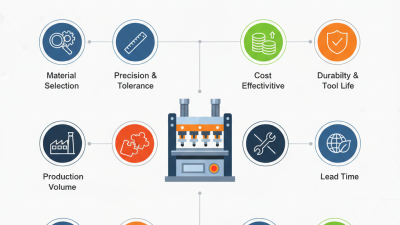
Evaluating progressive die parts manufacturers in 2026 requires more than comparing quotations. Start with their production evidence. Ask for sample parts made from similar steel grades, thicknesses, and tolerances. Inspect edge quality, burr height, flatness, and hole position. A reliable manufacturer should explain how each result was measured.

Review the factory’s equipment and process controls. Look for high-speed stamping presses, suitable die maintenance areas, and calibrated inspection tools. Coordinate measuring machines, optical systems, and hardness testers can support dependable verification. Ask how the team manages tool wear, material variation, and dimensional drift during long production runs. Request material certificates, inspection records, and traceability from coil to finished part. Experience matters here.

Capacity claims deserve careful testing. Compare stated output with press availability, changeover time, and maintenance schedules. A pilot run can reveal feeding errors, surface marks, or unstable tolerances before full production begins. No evaluation is perfect. A polished audit report may still hide weak communication or slow corrective action. Test response time with a realistic engineering question. Also discuss packaging, delivery protection, and replacement-part support. The best choice balances technical control, transparent evidence, practical communication, and consistent performance under pressure.

Which Materials and Processes Define High-Quality Die Parts?

2026 Best Progressive Die Parts Manufacturers?

High-quality die parts begin with material discipline, not attractive specifications. Tool steels such as D2 and powdered metallurgy grades resist wear under repeated loading. Carbide often suits punches handling abrasive, high-strength sheet. However, maximum hardness can increase chipping risk. A harder part is not automatically better.

The U.S. Department of Energy reports that a 10% vehicle weight reduction can improve fuel economy by roughly 6–8%. That pressure encourages thinner, stronger sheet materials and more demanding die designs. High-strength steels require accurate clearance, rigid guiding, and controlled heat treatment. Wire EDM creates precise profiles, while CNC grinding protects critical flatness and edge geometry. PVD coatings can reduce friction, but coating selection must match the material and forming speed. The World Steel Association recorded about 1.89 billion tonnes of crude steel production in 2023. That scale explains why small improvements in die life can create major production savings.

Tips: Confirm hardness after heat treatment. Measure clearance at several points. Inspect edges under magnification. Keep traceable inspection records. Do not trust one test result.

In practical toolrooms, failures often start with skipped details. A poorly supported insert may crack despite excellent steel. Excessive polishing can also change a functional edge. I would question any supplier offering only hardness data. Reliable die parts need material certificates, dimensional reports, process control, and evidence from comparable production cycles. Perfect performance is rarely guaranteed. Better suppliers explain the remaining risks clearly.

How Do Leading Manufacturers Ensure Precision and Reliability?

Leading progressive die parts manufacturers build precision into every stage, not only the final inspection. Experienced engineers review part geometry, material thickness, feed direction, and forming loads before machining begins. These checks reduce misalignment and unexpected scrap. Tight punch-to-die clearances are verified against the selected sheet material. In demanding applications, measurements may be controlled within a few microns. However, perfect first trials are rare. Skilled teams study failures instead of hiding them.

Tips: Ask for inspection records, material certificates, and process capability data. Confirm whether critical dimensions are measured with a coordinate measuring machine. Check how toolmakers control punch wear, guide-post alignment, and surface finish. A practical supplier should explain corrective actions clearly. Vague promises are warning signs. Request sample reports with actual values, not only pass-or-fail statements.

Reliability also depends on repeatable production methods. Manufacturers use documented setup procedures, calibrated gauges, and controlled heat treatment for hardened components. Trial runs should test feeding accuracy, strip progression, burr height, and part consistency. Operators record changes, because small adjustments can affect thousands of parts. Maintenance schedules should cover lubrication, spring fatigue, chipped punches, and loose fasteners. Still, even strong systems can miss a gradual wear pattern. Regular reviews and honest feedback keep the tooling dependable over long production cycles.

What Industries Use Progressive Die Parts and What Trends Shape the Market?

Progressive die parts serve industries that need repeatable shapes at high production volumes. Automotive plants use them for brackets, clips, terminals, seat components, and sensor housings. A steel strip can move through several stations, forming a finished part with each press stroke.

Electronics manufacturers use smaller stamped parts for battery contacts, shielding pieces, and connector shells. Appliance makers need hinges, latches, and reinforcement plates. Medical equipment producers also use progressive die parts, especially for compact metal components requiring clean edges and controlled dimensions. In practice, material selection matters greatly. High-strength steel, stainless steel, copper alloys, and aluminum each demand different clearance, tooling pressure, and inspection methods.

Market trends are changing die design. Vehicle electrification increases demand for conductive parts and lightweight structures. Electronics continue to shrink, pushing manufacturers toward tighter tolerances and finer tooling. Servo presses now support more controlled motion, while in-line cameras can detect burrs, cracks, and misplaced features during production. Digital production records also improve traceability.

Not every improvement works perfectly.

A faster press may increase heat, wear, or scrap if the die is poorly balanced. Sustainability targets are encouraging thinner materials and better scrap recovery, but thinner stock can reduce forming stability. Experienced manufacturers therefore test strip layouts, monitor tool wear, and review failed parts instead of trusting software alone. This practical feedback often reveals weaknesses that a clean design model misses.

2026 Best Progressive Die Parts Manufacturers? - What Industries Use Progressive Die Parts and What Trends Shape the Market?

Progressive die parts are widely used for repeatable, high-volume production of stamped metal components. The table below compares major end-use industries, common part types, material requirements, production characteristics, and the manufacturing trends influencing supplier selection in 2026.

Industry Typical Progressive Die Parts Common Materials Typical Material Thickness Production Profile Key Quality Requirements Market Trends Shaping Demand
Automotive Seat brackets, clips, retainers, terminals, sensor shields, spring components, and small structural brackets. Low-carbon steel High-strength steel Stainless steel Copper alloys Approx. 0.40–3.00 mm High-volume production; coil-fed presses are commonly selected when the part geometry and annual demand justify dedicated tooling. Consistent dimensions, burr control, repeatable hole position, material traceability, and reliable performance under vibration and fatigue. Electrification, battery-related components, lightweighting, shorter development cycles, and increased demand for corrosion-resistant materials.
Electrical and Electronics Contacts, terminals, connector shells, shielding components, clips, springs, and lead-frame-related stamped elements. Copper Brass Phosphor bronze Stainless steel Approx. 0.10–1.50 mm Very high repeatability and fast cycle rates; thin-strip processing and fine blanking may be required for miniature parts. Tight dimensional control, flatness, contact-force consistency, clean edges, plating compatibility, and contamination control. Miniaturization, higher connector density, electrification, data-center hardware, and automated inspection using vision systems.
Consumer Appliances Mounting brackets, hinges, latch components, motor parts, reinforcement plates, clips, and control-panel hardware. Galvanized steel Stainless steel Aluminum Cold-rolled steel Approx. 0.50–2.50 mm Medium- to high-volume production with strong emphasis on tooling life, low scrap rates, and stable cycle times. Surface appearance, corrosion resistance, assembly fit, controlled burrs, and consistent forming without cracking. Energy-efficient appliances, material-cost reduction, modular product platforms, and greater use of recyclable metals.
Industrial Equipment Brackets, clamps, mounting plates, machine guards, cable-management parts, fastening components, and structural inserts. Mild steel Stainless steel Aluminum Spring steel Approx. 0.80–4.00 mm Low- to high-volume production depending on equipment type; flexible tooling and quick changeovers are often important. Load-bearing capability, dimensional stability, fatigue resistance, edge quality, and compatibility with downstream assembly. Factory automation, localized supply chains, predictive maintenance, and demand for durable parts with lower total cost of ownership.
Renewable Energy Cable clips, grounding components, inverter brackets, mounting hardware, connector parts, and small frame reinforcements. Galvanized steel Aluminum Stainless steel Copper alloys Approx. 0.50–3.00 mm Increasing production volumes with strong requirements for corrosion-resistant finishes and repeatable installation geometry. Outdoor durability, salt-spray performance where specified, electrical continuity, dimensional consistency, and secure fastening. Solar and energy-storage expansion, longer service-life requirements, recyclable materials, and regional manufacturing capacity.
HVAC and Refrigeration Fan brackets, motor mounts, clips, compressor components, heat-exchanger supports, access-panel hardware, and duct fittings. Galvanized steel Stainless steel Aluminum Copper Approx. 0.40–2.50 mm Repetitive production with frequent use of blanking, piercing, bending, and forming operations in one progressive tool. Accurate fit, corrosion resistance, clean edges, controlled springback, and compatibility with brazing or mechanical assembly. Refrigerant transitions, higher energy-efficiency standards, heat-pump growth, compact designs, and demand for lightweight assemblies.
Medical and Laboratory Equipment Instrument clips, shields, brackets, housings, springs, small trays, and disposable-device metal components. Stainless steel Titanium alloys Aluminum Copper alloys Approx. 0.20–2.00 mm Small- to medium-volume production; tooling must support high repeatability and documented process control. Clean surface condition, burr minimization, biocompatibility where applicable, traceability, and strict inspection records. Disposable device demand, minimally invasive equipment, automation, material traceability, and tighter regulatory documentation.
Construction and Hardware Joist hangers, framing clips, brackets, fastener components, anchors, cable supports, and protective covers. Carbon steel Galvanized steel Stainless steel Aluminum Approx. 0.80–4.00 mm High-volume production for standardized hardware; heavier gauges may require larger presses and robust die construction. Load capacity, hole-to-hole accuracy, coating adhesion, corrosion resistance, and safe edge conditions. Prefabrication, modular construction, infrastructure investment, labor-saving installation systems, and corrosion-resistant products.
Telecommunications and Data Infrastructure Rack brackets, cable-management clips, grounding parts, shielding covers, connector components, and equipment mounting hardware. Galvanized steel Aluminum Copper alloys Stainless steel Approx. 0.30–2.50 mm Medium- to high-volume production with frequent demand for repeatable mounting and cable-routing features. EMI shielding performance where applicable, grounding continuity, flatness, dimensional accuracy, and corrosion resistance. Data-center expansion, higher equipment density, edge computing, network modernization, and demand for modular installation parts.

Note: The thickness ranges and production descriptions represent typical engineering applications rather than universal limits. Actual suitability depends on material grade, part geometry, press capacity, die design, required tolerances, surface treatment, and annual volume.