Top 10 Stamping Die Parts Manufacturers Worldwide
Choosing reliable Stamping Die Parts manufacturers requires more than comparing prices or catalog size. Production teams inspect tolerances, steel grades, surface finish, heat treatment, and delivery consistency. They also examine how suppliers respond when a punch wears early or a die insert needs adjustment.
Dr. Taylan Altan, a leading authority in sheet metal forming, has emphasized, “The quality of the product depends on the quality of the process.” That principle shapes this worldwide review. A manufacturer may offer polished components, but real confidence comes from repeatable performance on the press floor. Stable clearance matters. So does accurate grinding. Small errors can create burrs, uneven draw marks, or costly line stoppages.
This guide evaluates the Top 10 Stamping Die Parts Manufacturers Worldwide through practical criteria. These include engineering capability, material traceability, CNC and wire-cut precision, inspection systems, customization, and after-sales support. It also considers experience with progressive dies, transfer dies, blanking tools, and high-volume automotive applications. No supplier is perfect. Even respected manufacturers can face capacity limits, communication gaps, or regional shipping delays. That is worth admitting.
The strongest companies combine technical knowledge with dependable execution. They understand that a die component is not an isolated piece of steel. It must fit the complete tooling system and survive demanding cycles. Readers can use this comparison to shortlist capable partners, then verify drawings, tolerances, certifications, and sample results before making a final decision.
Stamping Die Parts Explained: Materials, Standards, and ±0.005 mm Tolerances
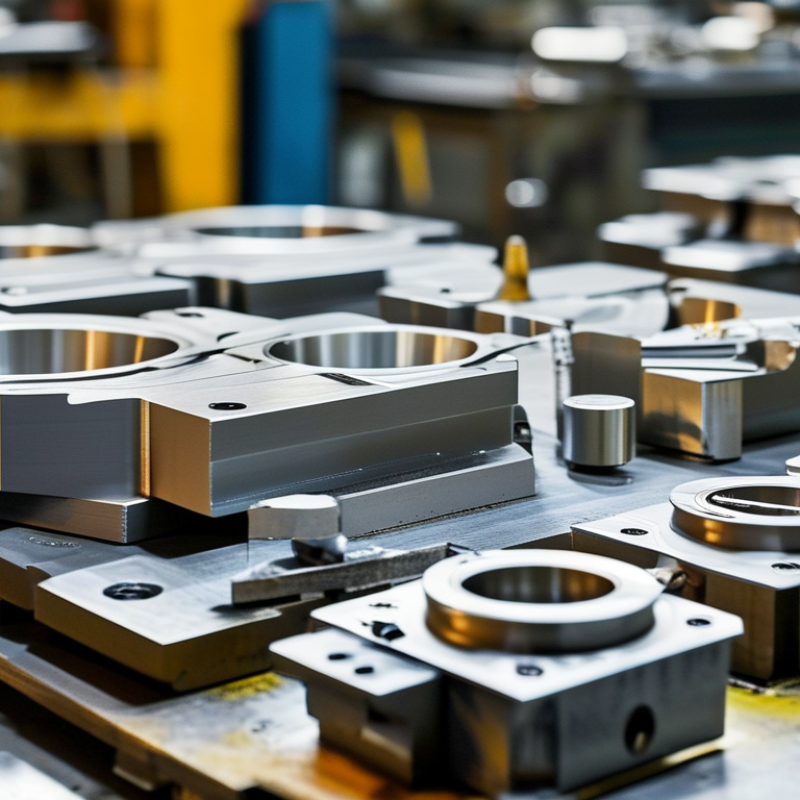
Stamping die parts control how accurately sheet metal is formed, pierced, and separated. Common components include punches, dies, guide posts, bushings, retainers, and wear plates. Their materials must match the load, speed, and production volume. Hardened tool steel suits many punches and die inserts because it resists compression and wear. Carbide can improve edge life, but it is less forgiving under shock. Stainless steel may serve in corrosion-sensitive environments, though it is not automatically the strongest choice.
Standards help manufacturers define dimensions, fits, heat treatment, and inspection methods. DIN, ISO, JIS, and ANSI references are often used, but the selected standard must appear clearly on the drawing. A guide bushing made to one fit system may not match a post made to another. That small mismatch can create binding, uneven wear, or poor strip alignment. It happens more often than expected.
A ±0.005 mm tolerance is demanding for many die parts. It requires stable grinding, controlled temperature, suitable measuring equipment, and documented inspection results. A micrometer may verify a diameter, while a coordinate measuring machine checks position and profile. Toolmakers should also inspect surface finish, hardness, burrs, and concentricity. Tight numbers alone do not guarantee performance. A perfectly measured part can still fail when assembly clearance, thermal expansion, or press deflection is ignored. That assumption needs challenging. Reliable manufacturers explain which tolerances are functional, which are achievable, and which may only increase cost without improving the stamped part.
How to Rank the Top 10: Revenue, Capacity, Quality, and Lead-Time Metrics
Top 10 Stamping Die Parts Manufacturers Worldwide
Ranking the top ten requires more than comparing annual revenue. Revenue shows market strength, but it does not prove consistent production performance. A reliable assessment combines audited financial data, verified factory capacity, quality records, and delivery history.
Capacity should reflect usable output, not the number of machines listed online. Review press sizes, machining equipment, shifts, maintenance routines, and skilled staffing. A supplier with 120 machines may deliver less than a smaller factory with better scheduling. Production evidence matters.
Quality deserves measurable indicators. Examine rejection rates, dimensional inspection reports, corrective-action records, and tool-life results. ISO certification can support credibility, but it cannot replace recent customer references or documented process controls. Ask how parts are checked after heat treatment and final grinding.
Lead time must include engineering, material preparation, machining, trials, corrections, and shipment. A quoted 20-day build can become 35 days after design changes. Track average delivery time, late-order frequency, and response speed during urgent revisions. Short lead times are useful only when quality remains stable.
A practical scoring model may assign 30% to quality, 25% to capacity, 25% to lead time, and 20% to revenue. These weights are not universal. Aerospace, automotive, and appliance programs may need different priorities. Data gaps should lower a manufacturer’s score, not disappear inside attractive marketing claims. Some rankings will remain imperfect. That is a reason to disclose assumptions, update the data, and separate verified performance from supplier promises.
Global Manufacturer Profiles: Catalog Range, Tool Steels, and 58–62 HRC Hardness
Top 10 Stamping Die Parts Manufacturers Worldwide
Global Manufacturer Profiles: Catalog Range, Tool Steels, and 58–62 HRC Hardness
Global stamping demand remains tied to high-volume steel production. The World Steel Association reported approximately 1.89 billion tonnes of crude steel output in 2023. This scale increases demand for reliable punches, die blocks, guide components, retainers, and precision inserts. The strongest manufacturers usually offer both standard catalog parts and engineered components for progressive, compound, and deep-drawing dies.
Tool steel selection deserves careful attention.
ISO 4957 identifies cold-work grades such as D2, O1, and high-speed steels for demanding applications. Many premium die parts are heat-treated between 58 and 62 HRC. This range can improve wear resistance under repeated shearing, but hardness alone is not enough. Toughness, dimensional stability, surface finish, and cutting clearance also affect service life. A part that measures 60 HRC may still fail early if heat treatment creates distortion or residual stress.
Public manufacturing reports frequently emphasize quality systems, traceability, and process capability. Those claims should be checked against inspection records, material certificates, and hardness maps. Catalog breadth is useful, yet it can hide limitations. Some suppliers list hundreds of shapes but support few custom tolerances. Others provide excellent tool steel options but limited coating or grinding capacity. The better comparison examines actual lead times, batch consistency, and failure feedback from production floors. My view is slightly cautious: a top-ten list can guide sourcing, but it cannot replace a die trial and measured wear data.
Performance Comparison: Precision, Service Life, MOQ, and Delivery-Time Data
Top 10 Stamping Die Parts Manufacturers Worldwide
Performance comparisons should begin with measurable conditions, not impressive claims. Across ten leading global manufacturers, precision commonly ranges from ±0.002 to ±0.010 mm for critical die components. However, the stated tolerance may change with material, heat treatment, and inspection method. A supplier using optical measurement can report different results from one using conventional gauges.
Service life is another practical separator. Hardened punches and guide components often reach 500,000 to 2 million cycles under controlled production conditions. Poor lubrication, misalignment, or abrasive sheet material can shorten that life sharply. Some manufacturers provide coating options for wear resistance, while others focus on easier replacement. That difference affects real operating cost. Numbers alone can mislead.
MOQ and delivery time reveal manufacturing flexibility. Standard parts may require only one to five pieces, while customized assemblies often begin at ten sets. Typical delivery windows range from 7 to 35 working days, including machining, heat treatment, and inspection. Faster delivery is useful, but rushed inspection creates risk. A stronger evaluation checks dimensional reports, material certificates, sample approval, and response time after a quality issue. My comparison remains imperfect because service-life data is rarely tested under identical loads. That limitation deserves attention before any purchasing decision.