Top 10 Mechanical Seals Tips for Global Buyers?
Mechanical Seals play a critical role in various industries, ensuring efficiency and reliability in equipment operation. According to industry expert John Smith, "The right mechanical seal can prevent costly downtime." His insights reflect the importance of selecting appropriate seals for different applications.
In an increasingly competitive market, global buyers must remain informed about the best practices related to Mechanical Seals. Understanding specifications and materials is essential. Buyers face challenges when choosing seals that meet their specific operational needs. Different environments require different materials and designs.
Continuous advancements in seal technology mean that options are expanding rapidly. However, this also adds complexity. There's no one-size-fits-all solution. Mechanical Seals require attention to detail and careful consideration of operating conditions. As buyers navigate these choices, it is vital to balance cost with quality.
Understanding the Basics of Mechanical Seals for Buyers
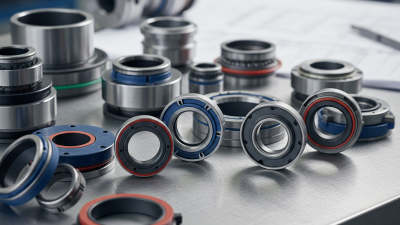
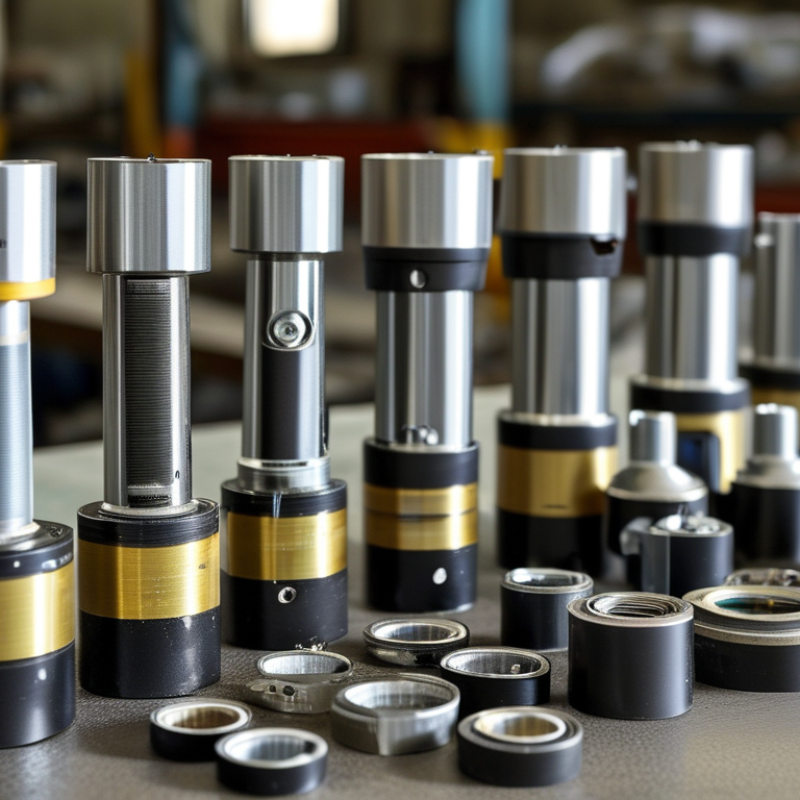
When delving into the world of mechanical seals, understanding the fundamentals is key for global buyers. Mechanical seals are crucial for preventing leaks in various applications, including pumps and compressors. They consist of two main parts: the rotating face and the stationary face. The contact area must be smooth and clean to function effectively. This delicate balance can be easily disrupted. Contaminants or improper installation can lead to failures.
Buyers should focus on the materials used in these seals. Different materials offer varying resistance to temperature, pressure, and chemical exposure. Understanding these properties helps in choosing the right seal for specific environments. Common materials include carbon, ceramic, and elastomers. Each has its pros and cons. Overlooking this can result in costly downtime or equipment damage.
Moreover, keep in mind the importance of proper maintenance. Regular inspections and timely replacements can prolong the life of mechanical seals. However, many overlook this aspect, often waiting too long before addressing wear. When purchasing, always seek expertise and reliable sources of information. This ensures informed decisions are made, ultimately leading to better outcomes in operations.
Factors Influencing the Selection of Mechanical Seals in Global Markets
When selecting mechanical seals in global markets, various factors play a crucial role. Understand the specific application. Consider temperature, pressure, and fluid types involved. Each application may demand different sealing materials and designs. Knowledge in these areas enhances decision-making.
Material selection influences seal performance significantly. Common materials include elastomers, PTFE, and metals. Assess durability, chemical compatibility, and operating conditions. Not all materials suit every environment, so research is vital.
Utilize these tips for better choices. Investigate supplier reliability. Previous client experiences can provide insights. Engage with experts to evaluate complex requirements. Look for certifications to ensure quality. Building relationships with trusted suppliers can lead to consistent performance. Always consider long-term reliability over initial cost.
Common Types of Mechanical Seals and Their Applications
Mechanical seals play a vital role in various industrial applications. They are crucial in preventing leakage in pumps, compressors, and other rotating machinery. Understanding common types of mechanical seals and their uses can greatly benefit global buyers.
Compression seals are widely used in hydraulic applications. They effectively manage high pressures and temperatures. Many industries use them for their durability and reliability. Another common type is the cartridge seal. This design simplifies installation and maintenance. It is perfect for challenging environments, ensuring consistent performance over time.
When selecting mechanical seals, consider the operating environment. Factors like temperature and pressure conditions impact performance. Make sure to evaluate the compatibility of materials used in the seals. Always refer to engineering specifications to avoid costly mistakes. Investing time in research will pay off in the long run.
Top 10 Mechanical Seals Tips for Global Buyers
Key Materials Used in Mechanical Seals and Their Benefits
Mechanical seals play a crucial role in various industrial applications, ensuring operational efficiency and safety. The choice of materials used in these seals directly impacts their performance and longevity. Commonly used materials include carbon, ceramic, and various elastomers, each serving unique purposes.
Carbon is often selected for its excellent wear resistance. A recent report by the Machinery Research Institute indicates that over 40% of mechanical seal failures stem from material degradation. Ceramic materials provide high strength and thermal stability, making them ideal for high-temperature applications. Their use can significantly reduce maintenance costs.
Elastomers are essential for ensuring the seal's flexibility. They fill gaps and prevent leaks. However, the longevity of elastomers is often questioned. Studies suggest that environmental factors, like temperature and chemical exposure, shorten their lifespan. Buyers must weigh these trade-offs when selecting materials for mechanical seals to ensure optimal performance. By understanding the benefits and limits of each material, buyers can make informed decisions that enhance equipment lifespan and reliability.
Top 10 Mechanical Seals Tips for Global Buyers
| Material Type |
Benefits |
Common Applications |
| Elastomers |
Flexible, good sealing performance, resist a variety of chemicals |
Food & Beverage, Water Treatment |
| Ceramics |
High wear resistance, withstands high temperatures |
Chemical Processing, Oil & Gas |
| Carbon |
Excellent self-lubrication, good thermal conductivity |
Pumps, Compressors |
| Metal Alloys |
Durable, high strength, suitable for high-pressure applications |
Automotive, Marine |
| PTFE (Teflon) |
Excellent chemical resistance, low friction |
Pharmaceuticals, Food Processing |
| Graphite |
Good thermal and electrical conductivity, self-lubricating properties |
High-Temperature Applications, Steam Systems |
| Nitrile Rubber |
Good resistance to petroleum oils, versatile application |
Oil Refineries, Automotive |
| Silicone |
Broad temperature range, good chemical resistance |
Food & Pharmaceutical, HVAC Systems |
| Polyurethane |
High resilience, excellent wear resistance |
Mining, Paper & Pulp |
Best Practices for Maintaining Mechanical Seals in Operations
Mechanical seals play a critical role in various industrial applications, ensuring leak-free operations. According to industry reports, improper maintenance can lead to mechanical seal failure, accounting for over 30% of equipment downtime in some sectors. Regular monitoring and maintenance are essential to prevent costly disruptions.
One key practice is the use of temperature sensors. They help in detecting changes that may indicate seal failure. Inadequate lubrication can also significantly decrease seal life. As reported, seals that lack proper lubrication can fail 50% faster. Operators should regularly inspect lubrication levels and ensure they meet manufacturer specifications.
Training staff on the best maintenance practices is often overlooked. While many companies invest in high-quality seals, they neglect the importance of crew knowledge. Furthermore, documentation of maintenance activities can reveal patterns and potential areas of concern. Without such records, it becomes challenging to identify recurring issues with seals. Embracing a proactive maintenance approach is crucial for enhancing reliability and performance.