Top 10 Gas Pipeline Gaskets in China for Global Sourcing?
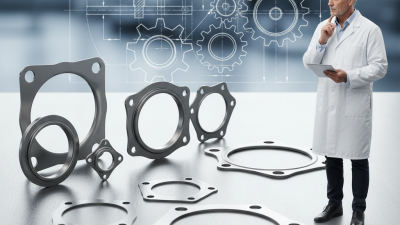
Gas Pipeline Gaskets play a critical role in ensuring the efficiency and safety of gas transportation systems. In China, the demand for high-quality gaskets has grown significantly, driven by both local and international markets. This need creates a robust environment for sourcing these essential components globally.
The top gas pipeline gaskets typically feature advanced materials that can withstand high pressure and temperature. They are designed to prevent leaks, which can lead to safety hazards and operational inefficiencies. Selecting the right gasket is crucial, as improper choices can result in costly downtime or even severe accidents.
However, finding the best gaskets may not be straightforward. The variety of products available can be overwhelming. Each manufacturer claims superiority, yet not all meet rigorous international standards. Thus, careful evaluation becomes necessary. Sourcing gas pipeline gaskets requires expertise and attention to detail. It’s a process that demands reflection on quality, reliability, and performance.

Top Ten Gas Pipeline Gasket Manufacturers in China: An Overview
The gas pipeline industry in China is a critical sector, especially for global sourcing. High-quality gaskets are essential for preventing leaks and ensuring safety. Research indicates that the demand for gaskets in China's gas pipeline sector is projected to grow at a compound annual growth rate (CAGR) of over 5% through 2025. This trend reflects the increasing focus on importing quality components.
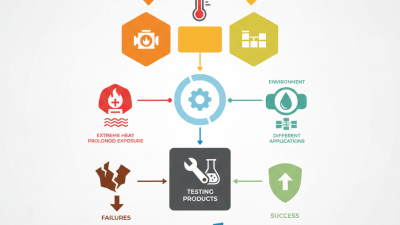
Manufacturers in China have made significant strides in gasket technology. Many companies utilize advanced materials such as PTFE and rubber compounds. These materials enhance durability and resistance to harsh environmental conditions. Industry reports highlight that over 60% of gas pipeline failures are linked to gasket failures. This underlines the importance of selecting reliable gaskets.
Quality control remains a challenge for several manufacturers. Some companies struggle to meet international standards consistently. There's an urgent need for improvements in quality assurance practices. Regular audits and certifications can help build trust among global clients. Gasket integrity is essential, but complacency can lead to serious consequences in the pipeline sector.
Key Specifications and Standards for Gas Pipeline Gaskets in China
When sourcing gas pipeline gaskets in China, understanding key specifications and standards is essential. Specifications typically include material type, size, and pressure rating. Common materials used are rubber, metal, and composite options. Each type offers unique benefits and challenges. For instance, rubber gaskets might provide flexibility but may wear faster under high pressure. It’s vital to consider the environment where the gasket will function.
Standards play a crucial role in ensuring safety and performance. Chinese national standards, such as GB/T and JB/T, provide guidelines for gasket design and testing. Adhering to these standards ensures that the gasket meets necessary safety and durability requirements. However, some manufacturers may not strictly comply with these standards, leading to potential reliability issues. Always verify certifications, as they reflect a manufacturer’s commitment to quality control.
It’s important to consider the specific application when selecting gaskets. Test various options to determine which performs best under expected conditions. Reviewing user feedback can provide insight but may not cover all problems. Be open to the idea that initial choices might need adjustments after real-world application. This process ensures the long-term viability of gas pipeline systems.
Market Trends and Forecast for the Chinese Gas Gasket Industry
The gas gasket industry in China is evolving rapidly. With increasing demand for gas pipeline systems, manufacturers are adjusting their strategies. New materials and technologies are being introduced to improve gasket performance and durability. This shift reflects a broader trend toward efficiency and safety in energy infrastructure.
Market forecasts indicate significant growth in the sector. Analysts expect a rise in both domestic and international demand. However, challenges remain. Many manufacturers need to enhance quality control processes. Compliance with international standards can also be an issue. This emphasizes the need for constant improvement.
Meanwhile, environmental concerns are influencing product development. Companies are looking for innovative solutions to reduce emissions and improve sustainability. Enhanced research and development efforts are crucial. Stakeholders must balance performance with ecological responsibility. This complexity creates both opportunities and challenges for manufacturers.
Comparative Analysis of Material Types Used in Pipeline Gaskets
In the gas pipeline industry, gaskets play a crucial role. Their primary function is to create a tight seal between two surfaces. Various materials are utilized, each with distinct advantages and limitations.
Rubber is popular for its flexibility and ease of installation. Yet, it may degrade under high temperatures or chemicals. This makes it less ideal for certain applications.
Metal gaskets, often made of steel or copper, offer better durability. They withstand high pressures and temperatures. However, they can be more difficult to install. The rigidity of metal gaskets might lead to leaks if not fitted properly. Careful consideration of the operating environment is essential.
Another option includes composite gaskets, blending different materials. They aim to combine the benefits of rubber and metal. While they can provide effective sealing, the performance may vary significantly based on the specific application. Ultimately, selecting the right gasket material requires expertise and understanding of requirements. The right choice can prevent costly leaks and downtime in gas pipeline operations.
Supply Chain Dynamics and Global Sourcing Strategies for Gaskets
In the dynamic landscape of gas pipeline gaskets, global sourcing strategies have become essential. Gaskets are critical components in ensuring leak-proof connections. Companies are pivoting towards China, recognizing its potential for high-quality manufacturing. However, navigating this supply chain requires a deep understanding of sourcing tactics.
Efficient sourcing involves assessing not just cost, but also quality and delivery times. Engaging with local suppliers can facilitate better communication. Establishing strong relationships is crucial. Some companies overlook cultural differences, which can impact negotiations. Trust is built on understanding local practices and expectations.
Sustainability is another consideration. Many organizations aim to reduce their carbon footprint but struggle to balance cost and environmental responsibility. Transparency in sourcing is vital for building credibility. Innovative materials are being explored, but challenges remain in integrating them into existing supply chains. Companies must adapt continuously and reflect on their practices to stay competitive in this evolving market.
Top 10 Gas Pipeline Gaskets in China for Global Sourcing