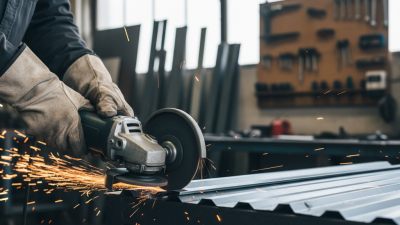
2026 Best Steel Cutting Disc for Metal Cutting?
Choosing the 2026 best Steel Cutting Disc requires more than comparing price, grit, or brand visibility. A disc that cuts mild steel quickly may struggle with stainless steel, hardened edges, or thick structural sections. Real performance depends on abrasive grain, bonding resin, disc thickness, reinforcement, machine speed, and operator pressure.
The global abrasives market continues to expand, according to Grand View Research’s Abrasives Market Size, Share & Trends Analysis Report. Freedonia’s Abrasive Products industry analysis also identifies metal fabrication, automotive production, and construction as major demand areas. These reports show market strength, but they do not identify one universal winning disc. That assumption is too neat.
Norton Abrasives product specialist Dan Cormier has stated, “The right abrasive is selected by matching the wheel to the material, application, and equipment.” This principle deserves attention. A thin 1.0-millimetre disc may deliver fast, clean cuts on sheet steel. A thicker reinforced disc can provide better stability on heavy plate. The faster option is not always the safer option.
This guide compares leading Steel Cutting Disc choices through measurable factors. These include cutting speed, edge control, service life, vibration, heat generation, and user feedback. It also considers EN 12413 safety requirements and manufacturer instructions. Test results can change with the same disc. Operator technique matters. So does machine condition.
Some product claims remain difficult to verify independently. Therefore, the ranking should be treated as practical guidance, not absolute truth. A careful buyer should still confirm disc diameter, bore size, maximum RPM, steel grade, and local workplace requirements before cutting.
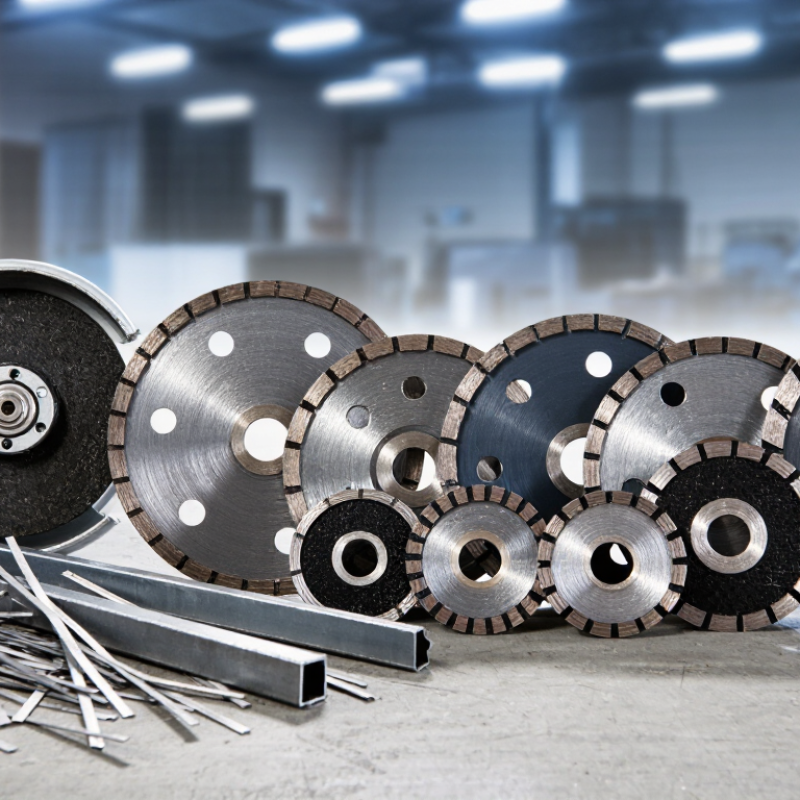
What Is a Steel Cutting Disc and How Does It Work?
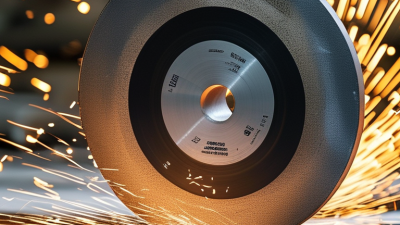
A steel cutting disc is a thin, reinforced abrasive wheel designed to separate carbon steel, stainless steel, and similar metals. It does not cut like a saw. Instead, sharp abrasive grains fracture the surface while the resin bond releases worn grains. Aluminum oxide is common for steel, while silicon carbide suits some non-ferrous metals.
The disc’s fiberglass layers provide structural support during rotation. Its thickness affects speed, heat, and control. A thinner disc usually cuts faster, but it can bend more easily under side pressure. Never twist it.
The U.S. Bureau of Labor Statistics recorded 5,283 fatal work injuries in 2023, although this figure covers all industries, not cutting discs specifically. It still shows why machine guarding and disciplined handling matter.
Before cutting, I check the disc’s maximum RPM against the grinder’s rating. I also inspect cracks, swelling, or moisture damage. Small defects matter. ISO 525:2023 classifies bonded abrasive products and supports consistent testing, marking, and identification.
Industry safety guidance also recommends eye protection, face protection, gloves, hearing protection, and controlled sparks.
In practice, operator pressure changes the result. Too much force overheats steel and accelerates wear. Too little pressure wastes time. I have found that a straight entry, steady movement, and short pauses produce cleaner edges, though this method is not perfect for every steel grade or joint shape.
Key Features of the Best Steel Cutting Disc for Metal
2026 Best Steel Cutting Disc for Metal Cutting?
The best steel cutting disc balances speed, control, durability, and safe operation. World Steel Association’s World Steel in Figures 2025 reports about 1.88 billion tonnes of crude steel production in 2024. That scale creates constant demand for reliable metal-cutting abrasives. For carbon steel, aluminum oxide grains remain a practical choice. Zirconia-based grains can improve cutting aggression, but they may cost more.
Disc thickness strongly affects performance. A 1.0–1.6 mm disc usually cuts faster and leaves a narrower kerf. Thicker discs can resist side pressure better during demanding work. The correct disc must also match the grinder’s maximum RPM, arbor size, and cutting angle. Never use a cutting disc for side grinding. That mistake still happens.
Reinforced fiberglass layers improve structural stability. Look for products tested under EN 12413 or ANSI B7.1 requirements. A quality disc should produce steady sparks, limited vibration, and manageable heat. Excessive blue discoloration on the steel suggests overheating. It may also mean too much pressure. In practical workshop use, the fastest disc is not always the most efficient. A slightly slower disc can last longer and reduce burr removal. This point is easy to overlook. Cutting results also depend on operator control, steel thickness, and storage conditions. Humidity, impact damage, or a loose flange can undermine even a technically excellent disc.
Step-by-Step Guide to Cutting Metal Safely and Accurately
Choosing the best steel cutting disc starts with the metal, not the price. Match the disc to steel thickness and the grinder’s rated speed. Never exceed the disc’s maximum RPM. OSHA’s Machine Guarding Standard, 29 CFR 1910.215, requires suitable protection against flying fragments and rotating parts. The U.S. Bureau of Labor Statistics recorded 5,283 fatal workplace injuries in 2023, with machinery remaining a serious risk category. A disc is small. The consequences are not.
Inspect the disc before cutting. Reject it if it is cracked, warped, damp, or past its marked shelf life. Wear eye protection, hearing protection, gloves, sturdy footwear, and flame-resistant clothing. Secure the steel firmly, leaving the cut line visible. Stand slightly to the side, then let the disc reach full speed before contact.
Use light, steady pressure. Do not twist the grinder or use the disc’s side surface. That mistake can cause sudden breakage. Keep sparks away from fuel, dust, cables, and other workers.
Mark the line clearly and cut in short, controlled passes. Allow the disc to do the work. If it binds, release the trigger and wait for a complete stop. Do not pull the tool backward while the disc spins. The Health and Safety Executive reported 138 worker fatalities in Great Britain during 2023/24, reminding us that routine tasks deserve serious attention. I still pause before every cut. Rushing feels efficient, but it often creates crooked edges, heat discoloration, and avoidable risk. Recheck the guard and disc after difficult cuts. A perfect cut is useful; a safe one matters more.
How to Maintain, Store, and Replace Steel Cutting Discs
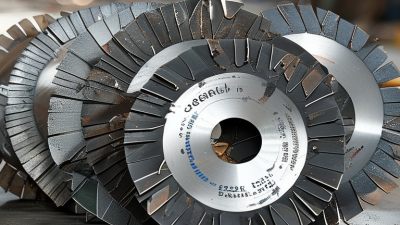
A steel cutting disc works safely only when it is maintained and stored correctly. Before each use, inspect both faces under bright light. Look for cracks, chips, warping, moisture damage, or a loose center ring. Even a small defect can become dangerous at high speed. Check the disc’s diameter, thickness, bore, and rated speed against the cutting tool. Never exceed the lowest rated speed.
Keep the disc dry, flat, and away from direct sunlight. A sealed cabinet or clean storage box helps prevent humidity and accidental impact. Do not place heavy tools on top of discs. Avoid storing them near oil, chemicals, heat sources, or areas with frequent temperature changes. Wipe dust from the guard, spindle, and flanges after cutting. Use a clean, dry cloth. Do not soak abrasive discs or attempt to reshape them.
Replace the disc when it becomes noticeably smaller, vibrates, cuts unevenly, or requires excessive pressure. Replace it immediately after any drop or impact. Unplug the tool and allow the disc to cool before removal. Check the new disc for damage, then fit it with clean flanges and the correct tightening pressure. Follow the tool manufacturer’s instructions. Run the tool briefly in a clear area before cutting steel. Step back during this check. A disc may look acceptable but still perform poorly. That is an easy detail to underestimate. Proper storage extends service life, but it cannot restore a damaged disc.