Best Metal Cutting Diamond Disc for Precise Results?
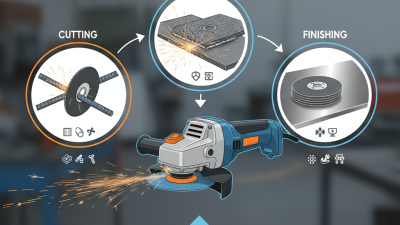
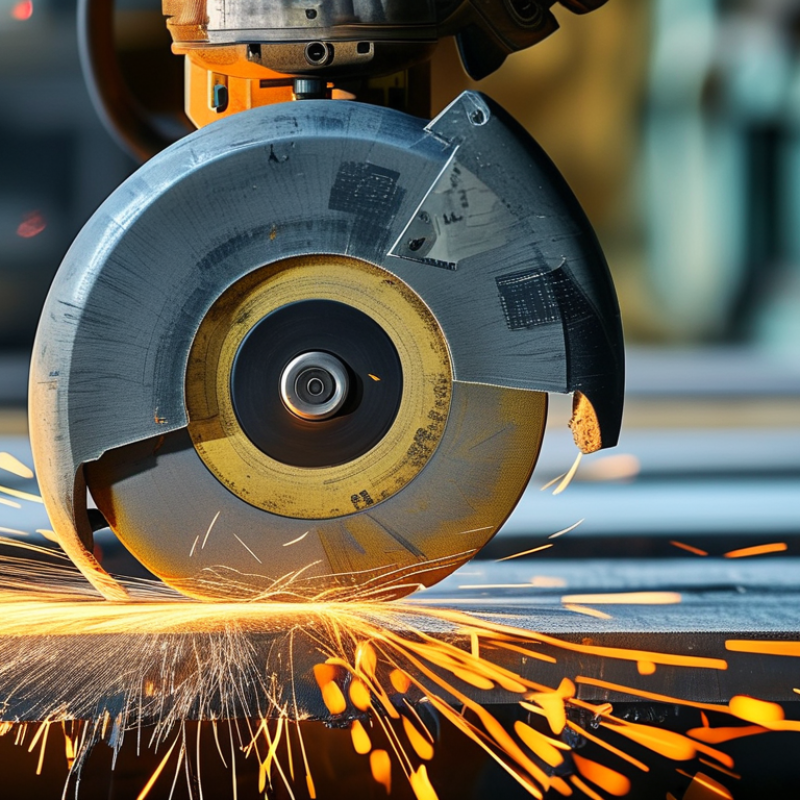
Choosing the right cutting tool is crucial for metalworking. The Metal Cutting Diamond Disc stands out as a top option for precision tasks. Its design integrates diamond particles, ensuring efficient cutting and durability. This disc can handle various metals, making it a versatile choice.
In professional settings, accuracy matters. The Metal Cutting Diamond Disc offers a clean cut with minimal burr formation. However, using it without proper technique can lead to subpar results. Many users underestimate the importance of speed and pressure, which are vital for optimal performance. Ongoing experimentation is necessary to fully master its capabilities.
Investing in high-quality tools influences project outcomes significantly. A reliable Metal Cutting Diamond Disc enhances productivity and reduces material waste. Yet, not all discs are created equal. Understanding specifications and application details is essential. Even experienced users find room for improvement in their approach, reflecting the evolving nature of metal cutting.
Types of Metal Cutting Diamond Discs Available in the Market
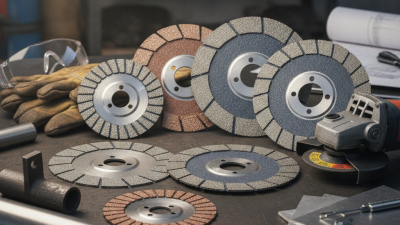
When it comes to metal cutting, selecting the right diamond disc can significantly impact precision and efficiency. Various types are available on the market today, each designed for specific applications. One popular type is the segmented diamond disc, which features large segments that enhance cooling and debris removal. According to industry reports, these discs are particularly effective for heavy-duty tasks, such as cutting steel and other hard metals.
Another type is the turbo diamond disc. This design includes a continuous rim with small segments, providing a smoother finish on softer metals. Research indicates that turbo discs can reduce cutting time by up to 30% compared to traditional options. However, they may not perform as well on harder materials, leading to potential adjustments in workflow.
Additionally, there are general-purpose diamond discs that offer versatility in various applications. While they are convenient, their performance may not match specialized discs in specific scenarios. Users often find that while general-purpose discs are cost-effective, they can require more frequent replacements to maintain cutting efficiency. Hence, careful consideration of the material and desired outcome is paramount in choosing the right diamond disc for metal cutting tasks.
Key Features to Consider When Choosing a Diamond Disc
Choosing the right diamond disc for metal cutting is crucial for achieving precise results. Various factors come into play when selecting the best option. Consider the type of metal you will be cutting. Different metals require specific diamond disc designs for optimal performance. Each material has its hardness level, which affects the cutting efficiency.
Another important aspect is the disc's grit size. A finer grit provides smoother cuts but may not be as durable for heavy-duty tasks. Coarse grit, on the other hand, excels in removing material quickly but can lead to rough edges. Understanding the trade-offs between grit sizes can enhance your cutting precision.
You should also look at the compatibility with your cutting tool. Ensure the disc fits properly to prevent accidents or poor performance. Quality matters too; well-manufactured discs tend to last longer and cut better, though they may come at a higher price. Regularly inspect the discs for wear and tear. This practice can save you from unexpected failures during important projects.
Best Metal Cutting Diamond Disc Features Comparison
Benefits of Using Diamond Discs for Metal Cutting
Diamond discs have transformed the metal cutting industry with their precision and efficiency. Data from recent industry reports highlight that diamond cutting tools outperform traditional materials in durability and cut quality. These discs are engineered with diamond particles that remain sharp longer, providing consistent results. Users report a 30% increase in cutting speed when using diamond over conventional blades.
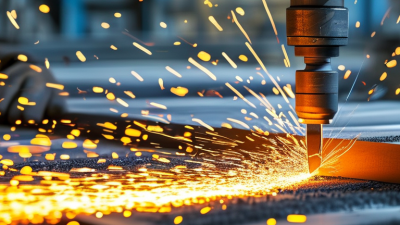
The benefits of diamond discs extend beyond just speed. They also generate less heat during cutting, reducing the risk of warping materials. A study indicated that users face 50% less thermal damage on metals when using diamond products. This advantage contributes to lower material waste and enhanced productivity. However, diamond discs are not without their challenges. They can be more expensive to purchase, and there may be a learning curve for operators new to the technology.
It's important to recognize that while diamond discs offer numerous benefits, they may require specific machinery and techniques to maximize their efficiency. Not every user finds immediate success, and consideration of the type of metal being cut is crucial. Research suggests that understanding the material properties will lead to better outcomes in using diamond cutting tools. Embracing this technology can lead to precise cutting solutions, but it requires a commitment to learning and adapting methods for each unique project.
Top Brands and Their Best Metal Cutting Diamond Discs
When selecting a metal cutting diamond disc, considering top brands can greatly impact your results. These brands are known for their high-quality materials and precision engineering. The best discs are often made with specific diamond configurations that enhance cutting efficiency. Users have reported superior performance and longevity from these products. They help achieve clean cuts with minimal effort.
Some brands focus on specific applications, such as stainless steel or aluminum. This specialization can lead to better outcomes in various projects. However, not every diamond disc will perform well in all conditions. It's essential to match the disc type to the material being cut. Experimenting with different options can lead to refinement in your cutting processes.
Finding the right balance between price and quality can be tricky. Cheaper discs may seem tempting, but they can fall short in terms of durability. Professionals often recommend investing in quality products for better precision and results. While it may take time to find your ideal disc, the pursuit of perfection is crucial. Careful selection and experimentation may lead to surprisingly effective solutions.
Tips for Achieving Precise Results with Diamond Cutting Discs
When using diamond cutting discs, precision is key. Proper technique can significantly affect the results. Start with a steady hand and a clear view of the cutting line. Align the disc parallel to the material to avoid uneven edges. Incorrect alignment can lead to wasted materials and time.
Pay attention to the speed settings of your tool. Too high a speed can cause chipping or overheating. This can compromise the quality of your cut. Using a moderate pace allows for better control. Also, avoid forcing the disc through the material. Let the cutting disc do the work, as excess pressure can diminish its lifespan.
Finally, keep the work area clean. Debris can interfere with cutting accuracy. Regular checks on the disc's condition are necessary. A worn disc will not deliver clean results. Reflections on these practices can inform future projects, leading to improved techniques over time.
Best Metal Cutting Diamond Disc for Precise Results
| Disc Type |
Material Compatibility |
Diameter (mm) |
Thickness (mm) |
Application |
Cutting Speed (m/s) |
| Turbo Diamond Disc |
Steel, Stainless Steel |
115 |
2.0 |
General Cutting |
20 |
| Continuous Rim Diamond Disc |
Aluminium, Copper |
230 |
3.2 |
Precision Cutting |
25 |
| Segmented Diamond Disc |
Cast Iron, Composite Metals |
300 |
2.4 |
Heavy Duty Cutting |
18 |
| Laser Welded Diamond Disc |
Metal Sheet, Reinforced Concrete |
125 |
1.8 |
Specialized Precision |
22 |