How to Choose the Right Double Lip Oil Seal for Your Needs?
When it comes to choosing a Double Lip Oil Seal, precision is key. These seals play a crucial role in preventing leakage in various applications. Selecting the right seal requires understanding your specific needs. Factors such as material, size, and design greatly influence performance.
Double Lip Oil Seals offer enhanced protection against contaminants. Their design provides superior sealing capabilities compared to single-lip seals. However, choosing the wrong type can lead to failures. It's essential to assess the operating conditions and the environment where the seal will function.
Many people overlook the importance of compatibility with lubricants. Ignoring this factor can result in premature wear. Therefore, take the time to evaluate all aspects before making a decision. The right Double Lip Oil Seal can save you time and maintenance costs in the long run.
Understanding the Functionality of Double Lip Oil Seals
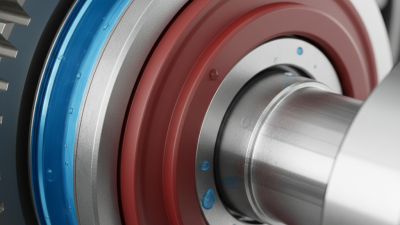
Double lip oil seals play a crucial role in preventing leakage in rotating machinery. They are designed to keep lubricants in and contaminants out. The dual lip design adds an extra layer of protection. This feature enhances the seal's effectiveness, especially in harsh environments.
When selecting a double lip oil seal, consider the operating conditions. Factors like temperature, speed, and pressure are essential. Not all seals can withstand extreme environments. Incorrect selection can lead to premature failure. Pay attention to material compatibility too. Some materials may degrade over time due to exposure to specific oils or chemicals.
Tips for choosing the right seal:
- Determine the operating temperature range and select materials accordingly.
- Assess the environment for potential contaminants. This will impact the selection process.
- Evaluate the shaft tolerance. A poor fit can compromise the seal's functionality.
Remember, not all options will work perfectly for your application. It is essential to reflect on the specific needs of your equipment. Adjustments may be necessary. Regular inspection can also help identify wear and tear, allowing timely replacements. This proactive approach ensures optimal performance and longevity of your machinery.
Key Factors to Consider When Selecting a Double Lip Oil Seal
Choosing the right double lip oil seal can significantly impact the performance and longevity of machinery.
It's important to consider several key factors when making this selection.
Material compatibility is crucial; seals may need to withstand various fluids like oils, water, or solvents.
According to the R&D Center for Sealing Technology, improper material choices can lead to premature seal failure in up to 30% of applications.
Consider the seal's operating temperature range. A high-quality seal can resist temperatures from -40°C to 200°C.
Operating beyond these limits risks damage. Also, the installation environment matters.
Seals exposed to dirt or moisture require tighter tolerances.
A report from the International Sealing Association indicates that such seals can improve reliability by 25%.
However, not all seals fit perfectly in every space, leading to installation challenges.
Tips: Always verify if the seal meets safety and industry standards.
Review installation guidelines carefully to avoid common issues such as misalignment.
Regular maintenance can extend the life of your seals significantly, as dirt accumulation is a common cause of failure.
Think about these factors and challenges before making your decision.
Choosing the wrong seal can lead to costly repairs and operational downtime.
Material Options for Double Lip Oil Seals and Their Applications
When selecting a double lip oil seal, considering the material options is crucial. Common materials include rubber, polyurethane, and fluorocarbon. Each material has unique properties that make it suitable for different applications. For instance, rubber seals are often cost-effective and widely used in automotive applications. They provide good flexibility and resistance to wear. However, their performance in extreme temperatures can be limited.
Polyurethane is another option that offers enhanced durability and resistance to abrasion. This material is ideal for heavy machinery operating in harsh environments. Fluorocarbon seals excel in chemical resistance, making them perfect for applications involving aggressive fluids. However, these seals tend to be more expensive. This detail can be a deciding factor for many businesses.
Perhaps the most challenging aspect is balancing cost with performance. Companies may lean towards cheaper materials initially but experience failure sooner than expected. This can lead to higher costs in the long run. It's vital to assess the specific environment in which the seal will operate. Consider temperature fluctuations, exposure to chemicals, and pressure conditions before making a choice. Each application has its nuances, and addressing these can significantly influence the long-term success of your machinery.
Material Options for Double Lip Oil Seals and Their Applications
Assessing Size and Dimensions for Optimal Seal Performance
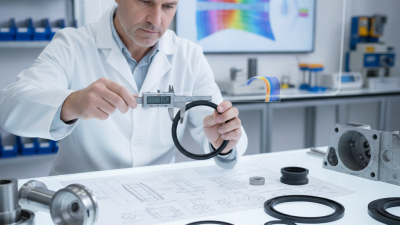
When choosing a double lip oil seal, size and dimensions are critical. The inner diameter must match the shaft size precisely. A seal that is too tight can wear out quickly. Conversely, a loose fit can lead to leakage and inefficiency. Measure the shaft with precision tools. This ensures a snug fit that maximizes performance.
The outer diameter also plays a significant role. It should fit the housing correctly to maintain stability. Incorrect outer dimensions can cause uneven wear. This might lead to premature failure. Consider the material thickness as well. Thicker seals may offer better endurance in harsh conditions, but they can also increase friction.
Additionally, the lip design impacts performance. Double lip seals provide enhanced sealing capabilities. However, they require careful attention to installation. Misalignment during installation can lead to failure, resulting in high costs. Always check tolerances before installation. Small errors can have significant consequences. Take the time to ensure accuracy; it pays off in the long run.
How to Choose the Right Double Lip Oil Seal for Your Needs?
| Seal Type |
Inner Diameter (mm) |
Outer Diameter (mm) |
Width (mm) |
Material |
Temperature Range (°C) |
| Standard Double Lip |
30 |
50 |
10 |
Nitrile Rubber |
-30 to 100 |
| High Temperature Double Lip |
35 |
55 |
12 |
Fluoroelastomer |
-10 to 200 |
| Chemical Resistant Double Lip |
40 |
60 |
15 |
Polyurethane |
-20 to 80 |
| Oil Resistant Double Lip |
25 |
45 |
8 |
Silicone Rubber |
-50 to 150 |
Common Mistakes to Avoid in Choosing Double Lip Oil Seals
Choosing the right double lip oil seal can be tricky. One common mistake is overlooking the seal's dimensions. Always measure the shaft and housing accurately. An improper fit can lead to leaks, reducing the effectiveness of the seal.
Another mistake is neglecting the operating conditions. Double lip oil seals are designed for specific temperatures and pressures. Ensure that the seal you choose can withstand the conditions of your application. It's essential to consider the medium being sealed, as different oils can interact differently with seal materials.
Tips: When selecting a seal, research the material compatibility with your fluid. This step is often ignored but is crucial for long-term performance. Don't forget to account for installation environments. A seal installed under improper conditions can fail prematurely. Pay close attention to installation procedures; even a small oversight can result in significant problems later on.